For Stephanie “Steff” Agathis, hands-on artist development is not a release schedule with a new label on it. It starts with identity: understanding who an artist is, refining the sound and visual language around that person, and building a team and growth plan that can support a sustainable career.
That philosophy becomes especially revealing when the artist already has major credits. Agathis, founder and CEO of Vitalize Records and Vitalize Projects, discusses how the label approaches Derrick Milano’s next chapter, what developing Natalie Maguire taught her, and why early momentum is often visible in confidence and genuine audience response before it appears in streaming totals.
Explore Vitalize Records
Learn more about Vitalize’s artist-development work and current projects.
Steff Agathis: The Exposed Vocals Interview
Vitalize describes itself as hands-on artist development. What does that mean in the first 90 days of working with an artist?
To me, hands-on artist development means being deeply involved from day one. In the first 90 days, we focus on understanding the artist’s identity, refining their sound and vision, building their team and strategy, and creating a clear release and growth plan. It’s not just about releasing music—we’re actively developing the artist and helping them build a sustainable career.
When an artist already has major credits or an audience, what has to change before the public sees them as a distinct artist rather than as the work they did for someone else?
I think it comes down to creating a clear identity that is completely their own. Major credits can open the door, but the audience needs to understand who the artist is, what they sound like, and what they have to say. We focus on building that identity through the music, visuals, storytelling, and consistent strategy so they’re recognized for their own artistry—not just for what they’ve created for others.
What made Derrick Milano’s next chapter the right fit for Vitalize?
I’ve always been a huge fan and supporter of Derrick, and we’ve known each other for quite some time. When I launched Vitalize Records, he was the first person I knew I wanted to work with. He’s incredibly talented, but more than anything, he’s a true artist at his core. That’s what made this next chapter feel so right for Vitalize. He has already accomplished so much behind the scenes, but what he’s creating as an artist feels fresh, unexpected, and completely his own. I’m excited to help introduce the world to that side of him.
How do you decide which parts of an artist’s existing story to carry forward and which parts need to be rebuilt?
Honestly, it really comes down to what the artist feels comfortable with. I don’t believe in forcing a story or completely rebuilding someone’s identity just because we think it will work better publicly. We look at what feels authentic to the artist, what they want to carry forward, and then figure out what may need to evolve as they grow. The goal is always to make sure the story feels true to who they are.
What did you learn from developing artists such as Natalie Maguire that now shapes the label’s approach to a more established creative like Derrick?
Working with Natalie taught me how important it is to meet an artist where they are and build around their individual strengths rather than trying to fit everyone into the same formula. With Derrick, we’re able to take that same hands-on approach but apply it to someone who already has an incredible career and body of work behind him. The goal is to give him the space to evolve, while making sure the strategy supports who he is as an artist today.
How do management, label strategy and creative development stay aligned without turning an artist’s identity into a marketing exercise?
I think it starts with making sure the artist’s identity always comes first. Management, label strategy, and creative development should all support the artist rather than dictate who they should be. We’re constantly communicating and making decisions together, but the goal is never to manufacture an identity for marketing. It’s about taking what is already authentic to the artist and finding the best way to amplify it.
Which signals tell you that a development strategy is working before streams or press numbers catch up?
For me, it’s when you start seeing genuine excitement around the artist before the numbers necessarily reflect it. Fans remembering the music, people organically talking about the artist, stronger opportunities coming in, and most importantly, the artist feeling more confident and connected to what they’re creating. Those are the signs that tell me we’re building something real, even before the streams or press catch up.
What kind of artist or project is Vitalize most interested in building next?
Two words: great music. That’s the core of this label and my job. I want to be part of great music and help translate that into a bigger vision around the artist—their identity, story, audience, and career. I’m not looking for one specific genre or type of artist. I’m looking for artists who have something special and authentic that I genuinely believe in.
Agathis’s answers draw a clear boundary between development and fabrication. The work is collaborative and strategic, but its measure is whether the artist becomes more legible as themselves—not whether a campaign can manufacture a cleaner story around them.
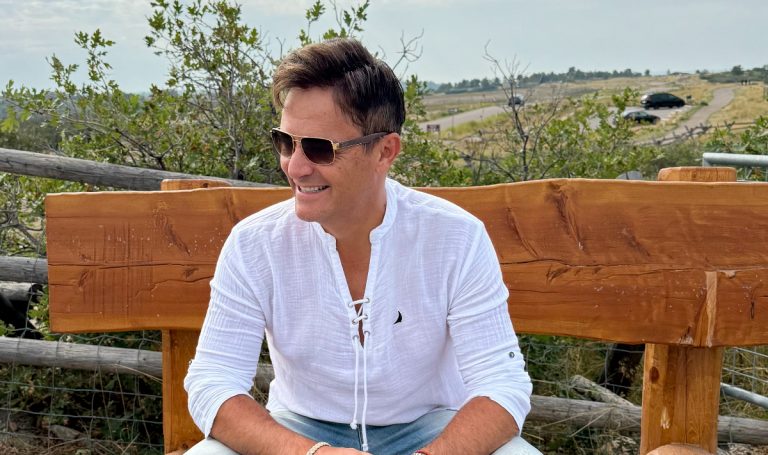
Featured portrait of Stephanie “Steff” Agathis by Nick Dermilio; supplied and used with permission.