On Utopia, Brooklyn songwriter Mark Ciani uses the scale and immediacy of a rock record to look at quieter, more difficult things: isolation, memory, anxiety and the distance between the adulthood we imagined and the lives we actually inhabit. The album’s emotional reach is supported by a New York creative community that Ciani speaks about with unusual generosity—musicians and collaborators whose presence turns private reflection into something communal.
There is also a useful tension in Ciani’s approach. He wants the record to provoke thought, but he insists that it function as an entertaining rock album first; melody and arrangement become what he calls a kind of “magic trick,” drawing the listener toward ideas that might otherwise feel too heavy. Exposed Vocals caught up with Mark Ciani to talk about the themes that emerged across Utopia, the collaborators who shaped it, and why an uncompromising focus on the work can be both an artistic strength and a marketing challenge.
Utopia looks back at youth, memory and the gap between imagined adulthood and reality. When did those themes begin to come together?
I tend to write a lot of songs without consciously watching for a theme. After about twenty songs, I start to notice patterns my unconscious has been building. With Utopia, those patterns were isolation, social connection and the way memory affects connectedness. Once I recognized them, I started writing more consciously around connections that are lost, regained or transformed.
“Heaven Can’t Be Eternity” has a melodic lift with a darker undercurrent. What sparked it?
It wasn’t one single experience. It started with sci-fi and action-movie tropes: “We’ve got the weight of the universe in our hands / and I’m hoping we win the fight / I’m just trying to cut the right wire.” That heightened drama reminded me of youth, when everything feels enormously significant. There’s anxiety in that feeling, but also exuberance.
How do you address heavy themes without letting them overwhelm the music?
I want the work to be thought-provoking, but first I want it to be an entertaining rock record. I try to wrap heavier lyrics in arrangements that momentarily distract from their weight. It’s a kind of magic trick: the melodies are the trap door that can lead a listener into reflection.
With so many layers available, how do you know when a song is finished?
It comes down to taste, experience and craft. On earlier records, I would throw in the kitchen sink to make something feel epic. Now I think more about the eventual mix and whether a new layer supports the emotion or distracts from it. The emotional vision guides the instincts and the production details.
What did making Utopia teach you about your younger self?
The lessons came less directly from the record than from therapy and aging, and those experiences informed how I wrote about youth. I couldn’t have made this album at twenty-one or twenty-five. Distance gave me a different perspective on the anxiety, excitement and loneliness of that period. Some understanding simply takes time.
How has Brooklyn—and New York more broadly—shaped the record?
I’ve lived in New York City for my entire adult life, surrounded by talented and supportive creative people. Kirk Schoenherr, Grant Zubritsky, Dave Scalia and Ann Courtney are part of that New York community, and Jeni Magana joined us from the West Coast. I also met co-producer and engineer Fernando Lodeiro here. That community makes me want to create music worthy of the people who bring it to life.
The documentary gives viewers a look inside the album. What does it reveal that the songs alone cannot?
There isn’t an official music video for an album track. Instead, I participated in Warren Tyler Ward’s documentary about the making of Utopia. It shows the collaborative process behind the record—the conversations, personalities and work that a finished song can’t fully document on its own.
What moment on the album best represents the artist you are now?
The last minute of “Ghost in the Air.” It combines emotional lyrics, a loud-soft dynamic and the kind of sonic ear candy I’m drawn to. That mixture feels like the clearest version of my current recipe.
How do you balance being a creator with the strategy and marketing around a release?
I don’t meaningfully participate in the music industry as a businessperson. Marketing feels foreign to me; I’m often lost at sea, and it’s probably the hardest part of releasing music. At the same time, that distance is a strength because I can ignore promotion long enough to focus on making the albums as uncompromisingly as possible.
What do you hope listeners carry with them after the record ends?
First, I hope they’re entertained and want to play it again. Beyond that, I hope they feel fulfilled and connected. The record means a great deal to me, and I hope other people can find something in it that feels meaningful to them too.
Ciani’s honesty about being “lost at sea” in marketing lands because Utopia is built on the opposite impulse: a precise sense of what the music should feel like and who helped make it possible. The album’s real utopia is not a flawless past or imagined future, but the temporary connection created when craft, collaboration and memory arrive in the same room.
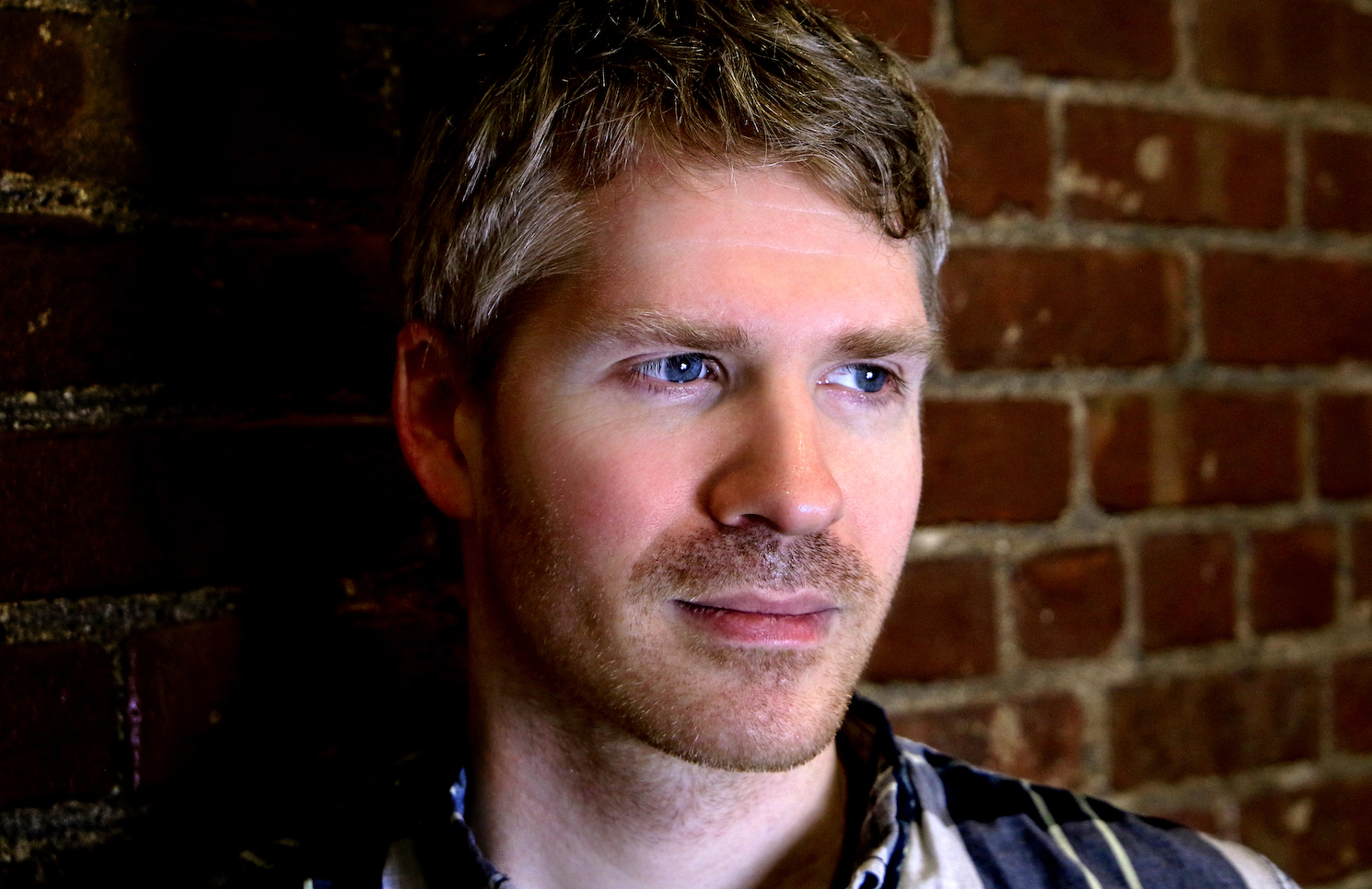
Photo by Jessica Glick.