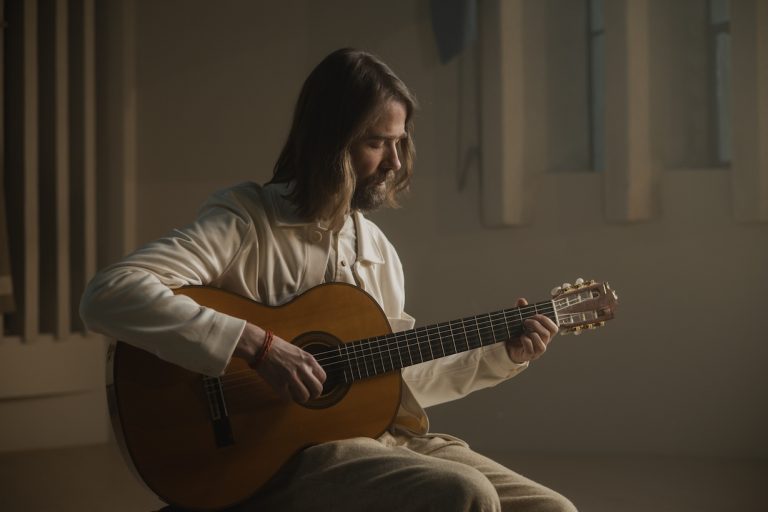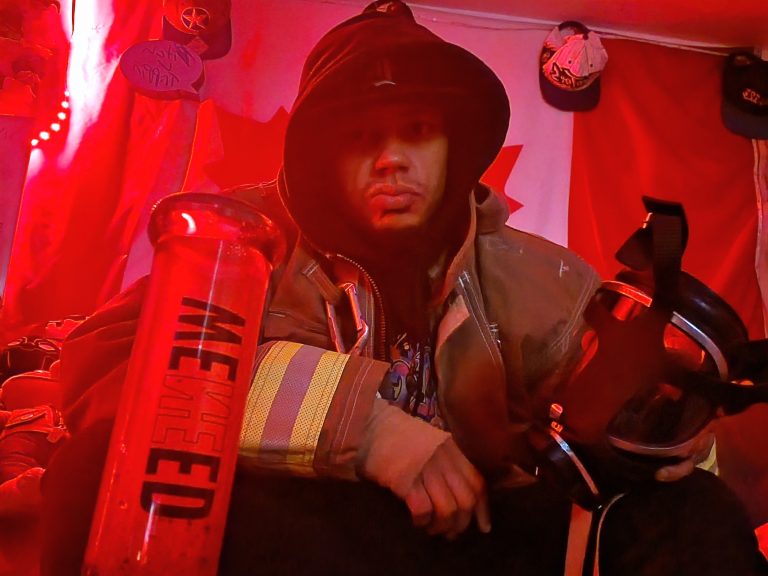
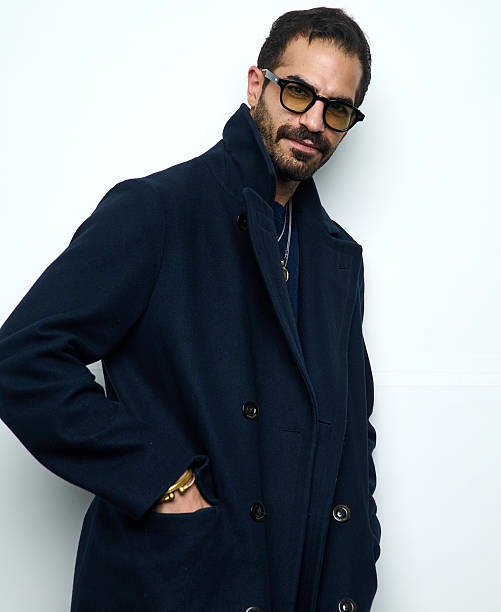
After fifteen years with a band, a breakout voice-acting career and three years in constant motion, Ryan Colt Levy found music returning on its own terms.
Before anime audiences knew Ryan Colt Levy as the English voice of Denji in Chainsaw Man, music had already been the center of his life for fifteen years. He wrote, sang and played guitar with the indie band Braeves, then stepped away after the group dissolved—not because the connection disappeared, but because he needed enough distance to fall in love with it again. Voice acting brought a new creative life, international conventions and near-constant travel. Eventually, during a quiet nature retreat to Big Bear, song ideas began finding their way back.
That return now has a name: RCL. His first solo alternative-rock single, “Sometimes I Dream Backwards,” trades character work for something more private—a dreamlike reflection on growth, intimacy and the people who move through our lives before, during and perhaps even after we know them. Exposed Vocals sat down with Ryan Colt Levy for an exclusive interview about creating without an audience in mind, the strange freedom of starting over, the musical atmosphere behind RCL and the ways Denji’s survival instinct intersects with themes Levy had already been exploring for years.
The Exclusive ConversationInside the Return to Music
Exposed Vocals:You got your start in music with Braeves before your voice acting career took off—and now you’re stepping back into it as a solo artist under RCL. What pulled you back? Was there a specific moment when you knew it was time?
When the band first broke up, it had been the center of my life for 15 years, so there was a strange sense of needing to separate from making music personally. I figured eventually, down the road, I would pick up a guitar or write something, but I also knew I needed to fall in love with it again, which for me meant giving it distance. When my acting career took off and I suddenly found myself traveling constantly for conventions, it was hard to wrap my head around anything other than what was in front of me. After three years of nonstop movement from state to state and internationally, I had built up all of these experiences, relationships, and stories. And after finally taking a getaway nature trip to Big Bear, song ideas began seeping back into my brain.
Exposed Vocals:Sometimes I Dream Backwards is a striking title. Where did it come from, and what is the song actually about—lyrically, emotionally, what’s at the center of it?
Thank you, I’m often worried my titles are just confusing! The song is very much about my own growth through what feels like many lifetimes already lived, and my journey connecting deeply with someone while balancing such a strange, obtuse life and career experience. When I dream, I often end up having a random assortment of people who’ve been in my life show up, but in recent years I find myself having deep experiences with people I know I’ve yet to meet in the real world, and have this strange sensation that someday I could.
Exposed Vocals:The alternative rock lane feels like a deliberate choice. What were you listening to when you wrote this, and what sonic world were you trying to build?
I’ve always loved playing with atmosphere and moods in music. In some ways, I care more about how it makes you feel vs. how it makes you think you should feel, if that makes sense. Most of what I listened to at the time was a lot of Mitski, Low Roar, Radiohead, Gorillaz, and NIN. So, your guess is as good as mine!
Exposed Vocals:You’ve spent years inhabiting other people’s voices—literally giving characters their inner lives. How does that discipline affect the way you approach writing and performing your own music? Does it make it harder or easier to be vulnerable as yourself?
I’ve always been a very expressive person through art, and songwriting was something that liberated me early to be vulnerable, in some ways even before acting did. There’s also something very freeing about making music now with more perspective and creating it all solo. If I’m being totally honest, I’m not writing or recording any of this with any audience in mind. It’s more of a personal journey I want to see through with no objective outside of finishing it for myself.
Exposed Vocals:Denji in Chainsaw Man is a character defined by survival, transformation, and an almost absurd relationship with hope. Do you find any of that seeping into your songwriting, even subconsciously?
Wildly, I had read Chainsaw Man before it was even put into production as a series, so as a fan first, I saw so much of myself in Denji for all of the reasons you mentioned. A lot of those themes and ideas were things I already played with in my music, which is also what makes playing him so satisfying.
Exposed Vocals:The Chainsaw Man film debuted at #1 and landed a 98% on Rotten Tomatoes—that’s a cultural moment. How do you hold something like that and still stay grounded in the quieter, more personal work like making a solo record?
Well, while truly surreal, the beautiful thing is that I’m just a tiny little piece of the gargantuan puzzle it takes to make something like that in the first place. I get to stand on the shoulders of a brilliant storyteller, an extraordinary team of animators, production, cast, crew, and more. I’ve never thought of myself as anything other than the same punk rock kid playing in a basement with his buddies.
Exposed Vocals:Voice acting has a massive, passionate fanbase—anime audiences especially are deeply loyal. Are you thinking about them at all when you make music, or is RCL a completely separate creative space for you?
I’ve been so incredibly fortunate to be met with the most incredible, passionate, inspiring, and creative fanbase thanks to voice acting, and I deeply cherish that. With that said, I’m really not making music with anyone in mind other than what feels right to me. I can’t make something true if it’s trying to cater to someone or something else, and I would quickly lose the drive to make it in the first place. The really cool thing has been how many people have actually brought it up at conventions, and for me, connecting that way genuinely is the most valuable thing.
Exposed Vocals:You won the Best Voice Artist Performance Award at the Crunchyroll Anime Awards. Recognition like that is rare. What does it mean to you—and does it add pressure, freedom, or both?
It was a tremendously cool and out-of-left-field thing to happen! I felt so honored that people feel connected to my work and that I didn’t mess up their favorite character. For me, more than anything, it’s a lovely touchstone that people are receiving the energy we put out there and to keep giving this everything I have.
Exposed Vocals:If someone comes to Sometimes I Dream Backwards knowing you only as the voice of Denji, what do you want them to understand about you as a musician that they couldn’t have known before?
Is it weird to say I don’t think I need them to understand anything? Most people had no idea who I was before playing Denji, and there’s something fun about not forcing an idea in someone’s head before they experience something new, especially music.
Exposed Vocals:What’s the plan from here—is this the beginning of a larger body of work as RCL, and where do you want to be with the music by the end of this year?
Right now, the plan is to finish up what will be an EP, also called Sometimes I Dream Backwards, of roughly 5 to 7 songs including the title track. I’d love to have it ready to fully drop by the end of the year; the spooky months feel appealing. Other than that, there’s very little planned. No live performances or release events currently, but you never know! 😉
The Voice That Belongs Only to Him
Ryan Colt Levy has spent years giving other people’s stories a pulse, but RCL operates by a different rule. There is no character to interpret, no audience expectation to anticipate and no existing world to inhabit. “Sometimes I Dream Backwards” exists because music returned when he was ready to hear it again—and because finishing the personal journey mattered more than calculating what anyone else might want from it.
The voice many listeners recognize may belong to Denji. The one emerging through RCL belongs entirely to Ryan Colt Levy—and its refusal to explain itself may be precisely what makes it feel true.