For Sarah Louise, “Different Kind of Girl” is not really a song about becoming someone else. It is about recognizing a version of yourself that was already there. The British singer-songwriter frames her latest single around the moment another person sees strength in you before you can see it yourself—and the internal shift that follows.
Produced by Neal Handforth, the track pairs warm synths with organic instrumentation while Sarah pushes toward a bigger contemporary-pop sound without giving up the emotional directness at the center of her writing. We spoke with her about vulnerability, self-perception, the line that carries the song’s meaning, and why connection now matters more to her than numbers.
Listen: “Different Kind of Girl” on Spotify
Exposed Vocals Interview: Sarah Louise
You’ve described “Different Kind of Girl” as the beginning of a new chapter. What changed first, the person, the artist, or the way you saw yourself?
The person, definitely. I realised I’d been limiting myself with some of my own beliefs about who I was and what I could be. Once I started letting go of those limitations, it naturally began to come through in me as an artist too.
The song is inspired by someone seeing something in you that you couldn’t yet see. What did they recognise, and when did you finally begin to believe it too?
They saw the strength in me as a person before I fully recognised it myself. Sometimes it takes someone else seeing you differently to make you look at yourself differently too, and eventually I started to believe what they could already see.
How did you make sure the story remained about self-discovery rather than changing yourself for another person?
Because ultimately the change had to come from me. Someone can make you question the way you see yourself, but when you finally recognise for yourself who you are and what you’re capable of, everything else starts to fall into place. That’s really what the song is about.
The production blends warm synths with more organic instrumentation. What did that combination allow you to express that a purely acoustic or electronic arrangement would not?
It gave the song more emotion and depth. I love the warmth and atmosphere the synths create, but having the organic instrumentation alongside them keeps the song feeling human and connected to the story. That combination really brings out the emotion in my vocal too.
What did producer Neal Handforth understand about the song that helped it become the version we hear now?
Neal heard the melody slightly differently and reshaped parts of it around my lyrics. That helped the words sit more naturally within the music and gave the song the flow and emotion that you hear in the finished version.
Your music has always leaned into emotional honesty. Was there anything in this song that felt especially vulnerable to say plainly?
The chorus, particularly the idea of someone turning my edges into curves. Admitting that somebody has softened parts of you or made you let your guard down isn’t always an easy thing to say out loud. There’s vulnerability in admitting that another person has affected you that deeply.
After multiple UK and European iTunes No. 1 singles and the remarkable reach of “Sunflower,” has your definition of success changed?
Definitely. Numbers are lovely and of course I’m grateful for every milestone, but they aren’t the goal for me anymore. Success is connection. Knowing that somebody somewhere in the world has heard one of my songs and felt something because of it means far more to me than a number on a screen.
You’ve performed at the Bluebird Café as well as festivals and theatres across the UK. What has performing taught you about the difference between a lyric that reads well and one that truly connects in a room?
You can write something that looks beautiful on paper, but you don’t really know how deeply it connects until you sing it to people. Seeing someone’s expression change, watching them sing a line back to you or knowing that something you’ve written has made them feel something is what makes it all worthwhile for me.
Is there one lyric or musical moment in “Different Kind of Girl” that holds the whole meaning of the song for you?
“I didn’t wanna miss you, but I do.” It’s such a simple line, but for me it’s about finally giving in to what you’re feeling. You can tell yourself you’re fine and that something doesn’t matter, but sometimes you reach the point where you have to stop fighting it and admit that it does.
If this single is the first step into a new chapter, what do you hope listeners will hear changing in the music that follows?
More vulnerability, more confidence and a bigger sound. I want the songs to feel emotionally honest while also having world class instrumentation and production around them. I feel much more certain now about the artist I want to be, and I think you’ll hear that in everything that follows.
Confidence Without Losing the Story
The through-line in Sarah Louise’s answers is not reinvention for its own sake. The larger production, growing confidence and willingness to be vulnerable all point back to the same idea: recognizing rather than manufacturing identity. “Different Kind of Girl” works as a new chapter because Sarah is making the change legible without abandoning the storytelling that brought listeners to her in the first place.
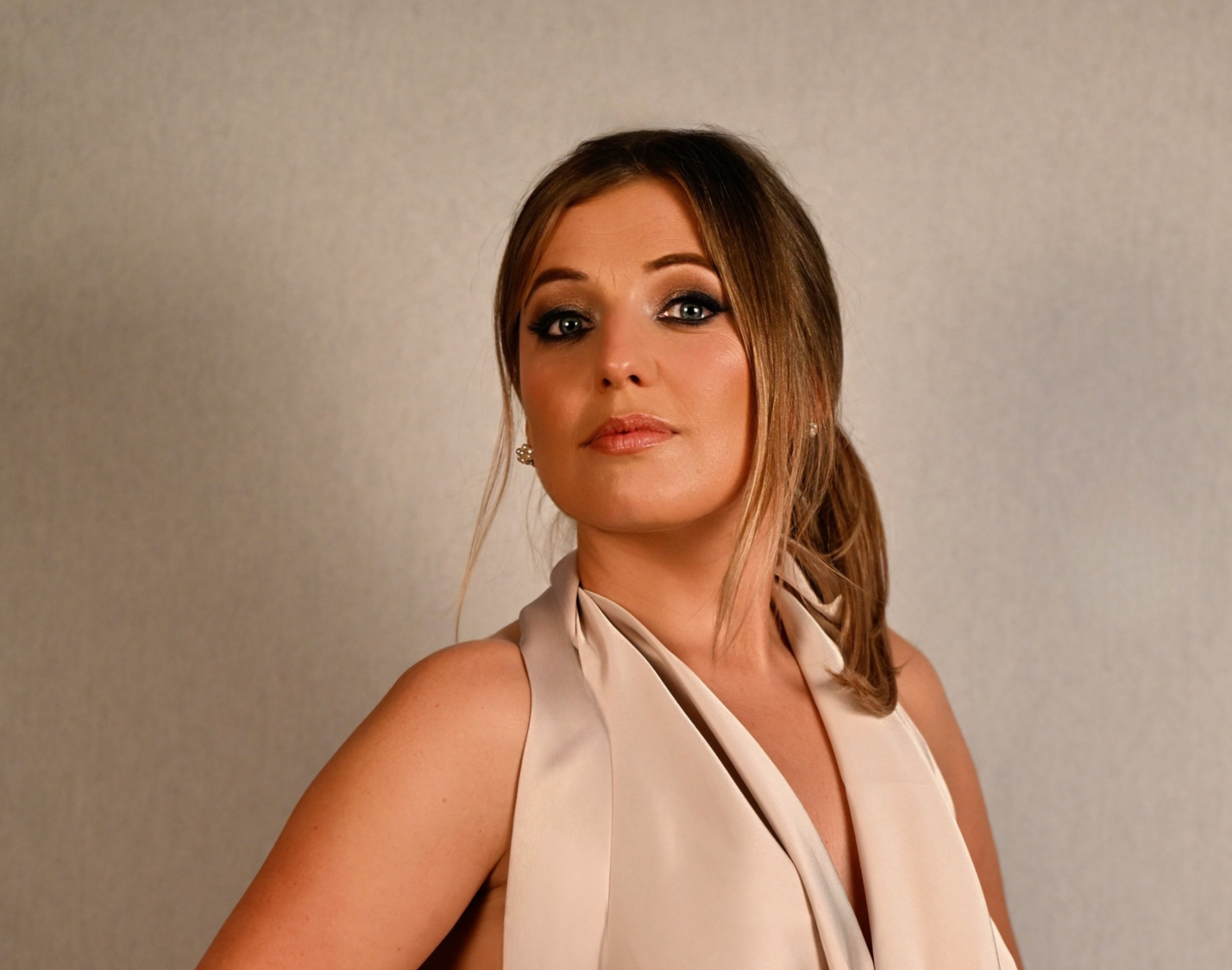
Photo credit: Michelle Fredericks. Press image published with permission.