
The Grind · Artist Readiness
Most industry people do not begin by listening to your entire catalog. They begin by deciding whether you look worth another minute of attention. Your first 60 seconds should remove questions, not create them.
Seconds 0–10: identity
The first question is simple: what am I looking at? Your name, image and positioning should answer that immediately. If the page is visually inconsistent, missing a current photo, uses outdated artwork or makes your genre impossible to understand, the visitor is already doing unnecessary work.
Name + strong image
A current, intentional image is one of the fastest signals that the project is active.
One-line context
Genre, location and a concise identity statement beat a paragraph of vague adjectives.
Seconds 10–20: the music
Do not make someone hunt for the song you actually want them to hear. Your best current release should be obvious. If you are pitching a new record, that record needs to be one click away — ideally playable without sending the visitor through five different services.
“Latest” is not always the same as “best.” Lead with the music that most accurately represents where the project is going.
Seconds 20–30: proof that something is happening
This is where many artist pages go flat. The music exists, but there is no evidence of motion.
Useful proof of momentum includes:
- Recent release activity
- Current press or interviews
- Live dates or meaningful performances
- Video content
- Collaborations
- Playlist, radio or editorial placements worth mentioning
- Recent posts and profile activity
You do not need inflated numbers. A small amount of real activity is better than giant stale metrics. Movement tells people the project is alive.
Seconds 30–40: the story
Your bio should make the music easier to understand. It is not a résumé dump and it is not the place for “unique sound unlike anything you’ve ever heard.” Give the reader useful coordinates: where you are from, what the project is, what shaped it, what you are releasing now, and why this chapter matters.
Seconds 40–50: professional friction
Now the visitor is asking operational questions. Can I find a contact? Is there a usable photo? Are the links current? Is the spelling consistent? Is there an EPK? Can I tell who handles the project?
Approved images
Provide high-resolution photos with clear credits and avoid forcing media to pull screenshots from social platforms.
One clear route
A working email or professional contact path removes one of the easiest reasons for an opportunity to die.
Current destinations
Dead websites, old releases and conflicting handles signal neglect faster than most artists realize.
Coverage that matters
Link strong reviews, interviews and features. Do not bury credibility in a giant logo wall.
Seconds 50–60: the reason to act
At the end of a fast scan, there should be an obvious next step. Listen. Watch. Connect. Book. Interview. Request the EPK. Follow. The correct action depends on the person viewing you, but the page should not simply stop.
The 60-second audit
- Can a stranger identify your project in 10 seconds?
- Is your best current music immediately accessible?
- Can they see evidence that you are active now?
- Does the bio create a memorable story?
- Are professional assets and contact information obvious?
- Is there a clear next action?
The point is not to impress everyone. It is to make it incredibly easy for the right person to understand why they should keep going.
Make your EV profile pass the test
Keep your image, music, press, activity and professional identity current so a new connection does not have to reconstruct your career from scattered links.
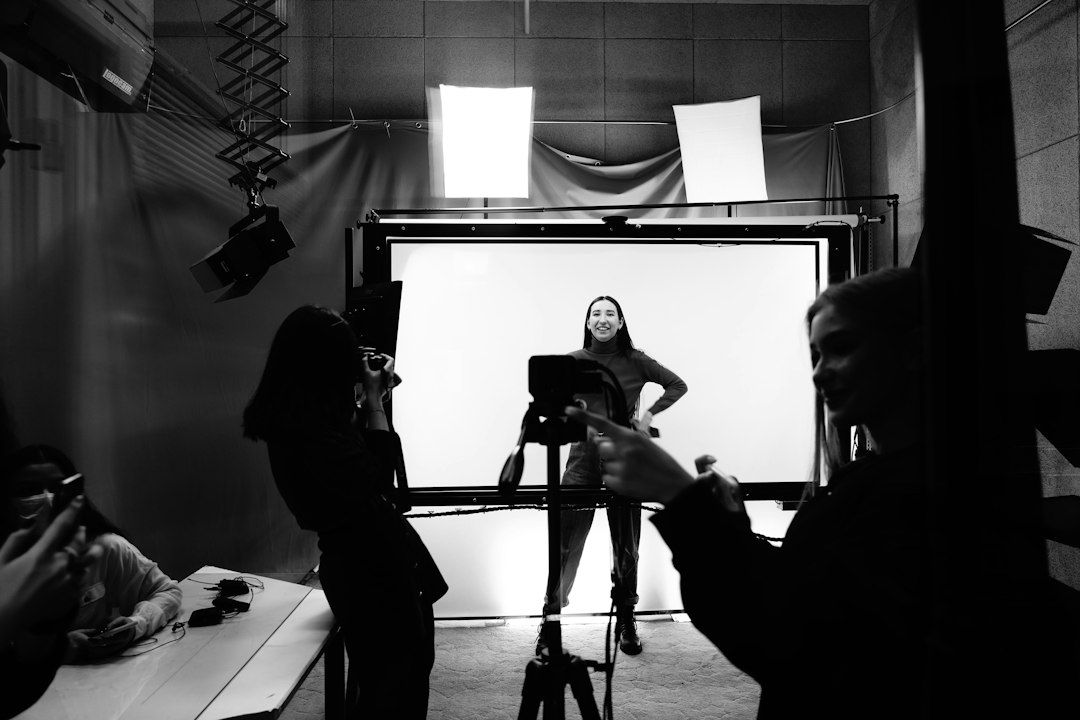
Featured photo: Maxim Tolchinskiy / Unsplash.