
Sony Music had asked digital platforms to remove more than 260,000 AI-generated tracks impersonating its artists by the end of September, according to reporting published this week by Music Business Worldwide. The figure is nearly double the more than 135,000 takedown requests the company reported in March.
The increase is a warning about more than celebrity impersonation. Every fraudulent upload competes for search visibility, listener attention and a share of royalty pools. For independent artists—who often lack dedicated rights teams—the same system can make identity theft harder to spot and legitimate releases harder to distinguish from mass-produced catalog noise.
The volume changed faster than the rules
The new total implies that Sony was issuing tens of thousands of additional deepfake takedown requests each month through the second and third quarters of 2026. Those requests reportedly involved unauthorized recordings presented as music by artists including Harry Styles, Adele, Britney Spears and Michael Jackson.
That is different from a musician using an AI-assisted tool inside an authorized creative process. The problem here is deception: a recording is delivered under, or designed to trade on, an artist’s identity without the artist’s participation or consent. The resulting track can mislead listeners before a platform or rightsholder catches it.
The core distinction
AI-assisted creation can be disclosed and authorized by the people making the record. An AI deepfake impersonates an identifiable artist or exploits protected material without permission. Transparency and authorization are the dividing lines.
Deepfakes and streaming fraud are converging
Artificial music uploads do not automatically involve artificial streams, but the two problems increasingly overlap. IFPI defines streaming fraud as manipulating digital music services to generate revenue from plays that are not genuine. The organization says the practice diverts money from artists, songwriters, labels and publishers while weakening trust in streaming data.
IFPI’s 2026 state-of-the-industry report cited Deezer data showing that the service was receiving more than 60,000 fully AI-generated tracks a day in January. It also said Deezer found that as much as 85 percent of streams on AI-generated music during 2025 were fraudulent. Those are platform-specific findings, not a claim that every AI-made track is fraudulent, but they show why scale matters.
The industry is building shared defenses
On September 14, IFPI launched the Streaming Integrity Initiative, a set of baseline practices for detecting and responding to manipulation. Supporters include major labels, independent-label organizations and distributors such as CD Baby, Ditto Music, FUGA, RouteNote, Symphonic, The Orchard and Virgin Music Group.
The initiative does not solve the deepfake problem on its own. It does, however, move the industry toward a common expectation: services and delivery partners should prevent fraud where possible, act on credible reports and avoid treating inflated activity as legitimate audience demand.
A separate music-industry framework announced in July proposes voluntary labels that distinguish fully AI-generated recordings from AI-assisted work. That approach aims to give listeners and platforms clearer information without treating every use of machine-learning tools as the same creative act.
Why independent artists should pay attention now
Major stars attract obvious impersonators because the search demand already exists. Independent artists face a quieter version of the same risk. A fraudulent release can be attached to the wrong artist page, delivered under a confusingly similar name or distributed before the real artist knows it exists.
The practical damage can include split catalogs, incorrect recommendation signals, support disputes and a public discography that no longer reflects the artist’s actual work. Bought streams create another risk: platforms can remove plays, withhold revenue or penalize content when activity appears manipulated—even when a third-party promoter caused the problem.
A practical defense for artists without a rights department
- Keep official profiles claimed. Verify artist pages on the services you use and keep the links in one release record.
- Check your name regularly. Search major platforms for unexpected releases, duplicate profiles and altered versions of your songs.
- Preserve metadata and source files. Keep ISRCs, UPCs, master filenames, release dates, artwork, credits and distributor receipts together.
- Document suspicious uploads before reporting them. Save the URL, screenshots, delivery date and any visible credits or label information.
- Use your distributor and the platform’s official support routes. Make a precise identity or copyright report instead of starting with a public accusation.
- Never buy guaranteed streams. A marketing vendor cannot manufacture genuine listeners, and opaque traffic can put a legitimate catalog at risk.
The signal problem is becoming the music problem
Streaming systems were built to interpret uploads and plays as signals of real creative activity and real listener interest. Deepfakes and bot-driven listening corrupt both sides of that equation. The result is not only lost money; it is worse discovery data for everyone trying to reach an audience honestly.
The next stage of the fight will depend on faster detection, clearer labeling and stronger cooperation between platforms, distributors and rightsholders. Independent artists should not wait for those systems to become perfect. A clean identity, organized release data and a documented reporting process are already part of protecting the work.
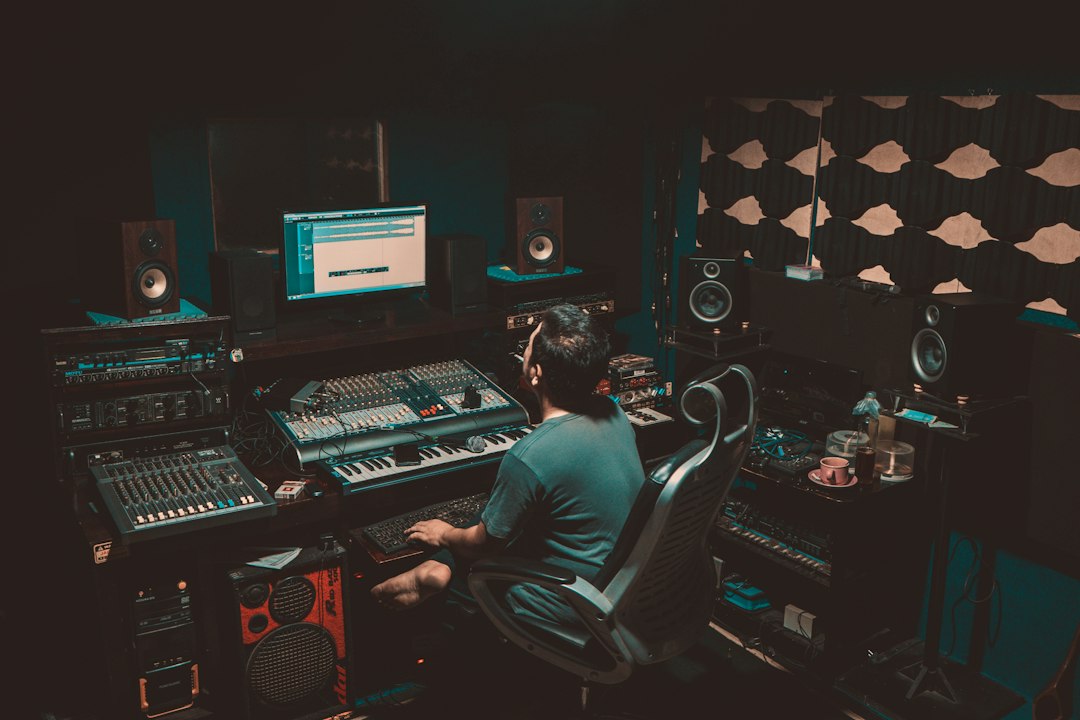
Featured photograph by Jesman Fabio via Unsplash. Reporting references Sony Music, IFPI and Music Business Worldwide; figures current through October 8, 2026.