We Were Born and Died Underground”: Robert Courtney on Doll, Pam Hogg and 32 Years of Unfinished Business
In this story
Born Underground. Found Again.
Robert Courtney on Doll, Pam Hogg, Debbie Harry, Dave Stewart’s Church Studios and the 32-year road to releasing the music.
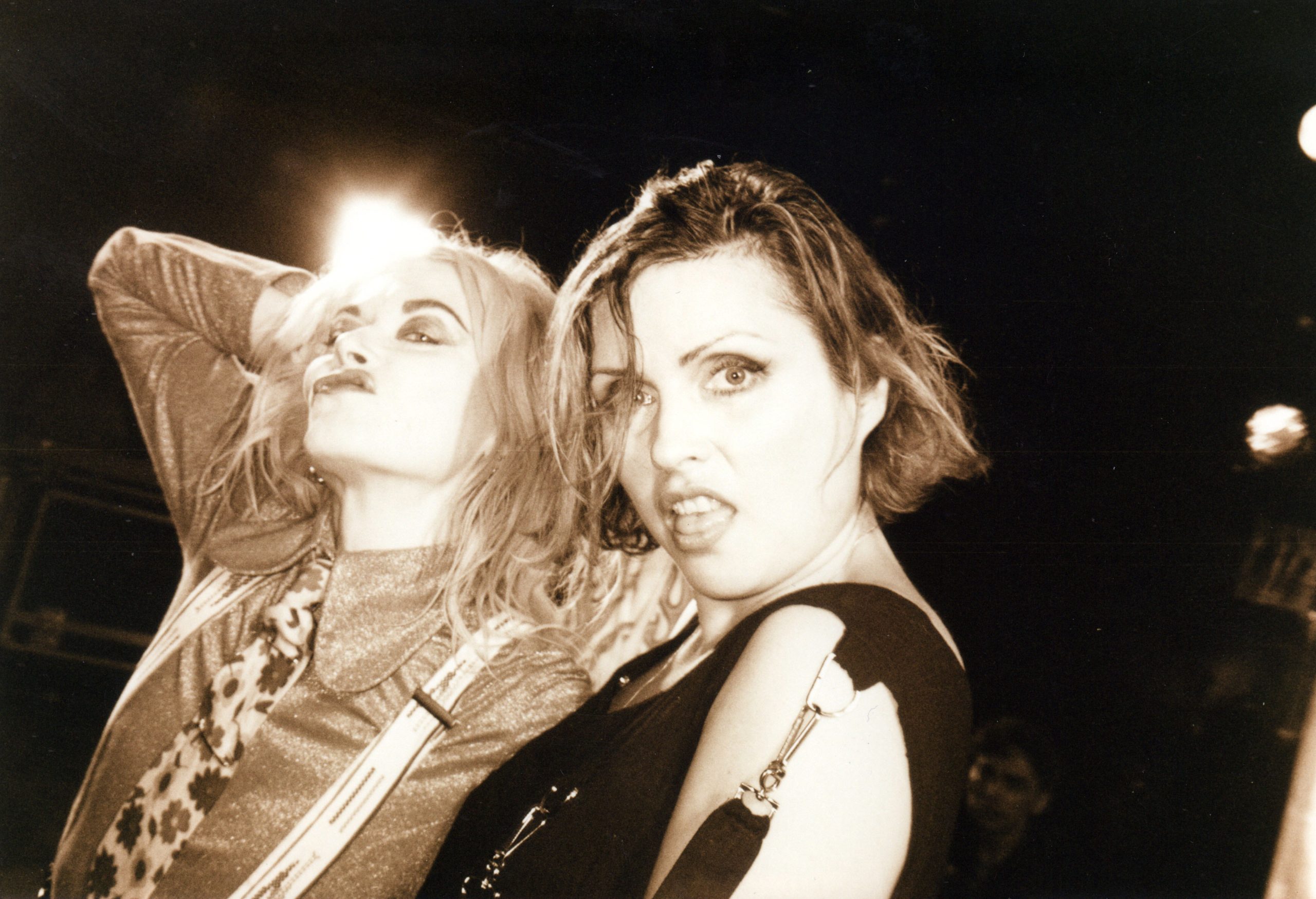
Some bands are built through auditions, strategy and patient rehearsal. Doll began in the back of a limousine leaving a Richard Branson party, then moved to a Vauxhall flat where Robert Courtney’s riffs met Pam Hogg’s book of lyrics. Five days after recording their first demos, they were supporting Debbie Harry. The story only becomes less conventional from there: underground car parks, Madame JoJo’s, The Marquee, half-built clubs, video cameras in the crowd and sessions at Dave Stewart’s Church Studios.
For decades, much of that history remained unheard. Now “Through My Eyes” and the wider Doll archive are finally emerging, carrying both the voltage of early-’90s London and the weight of Hogg’s passing. Exposed Vocals sat down with Courtney to trace the chemistry that made Doll possible, the decision that stopped the original release, and why bringing the material back feels less like nostalgia than vindication.
The Exclusive Conversation
Doll, Pam Hogg and the Sound of a Lost London
Exposed VocalsDoll now feels part band, part art project and part underground cultural moment. What did it represent to you creatively at the time?
Doll just happened. It was one of those rare times when everything fell into place. It still took a lot of work, but it was in the flow of the moment rather than an uphill battle. I had a lot of riffs and partially recorded tracks; Pam had a book of lyrics, and they fitted together perfectly.
I’d done a solo album and realized that I function best with at least one other person to make it happen live. I was quite happy to let someone else be the focal point for a change. I didn’t have to make compromises musically because we liked the same things. You never really know what things are in the moment. At the time, it’s all lugging amps around and trying to keep everyone together.
Exposed VocalsThe Richard Branson party limousine origin story almost sounds fictional. Did it immediately feel like the beginning of something?
It was another one of those big London parties where I always felt slightly disengaged. It all happened as described—there are photos of us in that limousine on the inner sleeve of the new 12-inch single—but the pivotal moment was when we decided to form a band and created the basis of the set at my flat in Vauxhall that night.
After that, it was mainly refining and rehearsing. Doll was always going to happen, and in a way we were willing passengers in this mystical event once we’d both said yes.
Exposed VocalsPam Hogg’s presence feels central to Doll. What made your creative chemistry work?
Pam’s fame opened doors not usually available to a start-up band in its first week, and it helped that we were on the same wavelength musically. I wasn’t a muso—she wouldn’t have liked that—more of a surrealist yob with a guitar.
Pam had the drive, and I had the musical and recording talent, even with my primitive equipment: two Realistic/Tandy cassette decks and a four-channel mixer. I had just bought a Vestax six-track recorder, which I still have, that we recorded everything on. We were a cassette band.
Exposed VocalsSupporting Debbie Harry only five days after the first demos were recorded is unbelievable. What do you remember about those first performances?
The first one was terrifying, like going to the scaffold. I imagined the crowd tearing us apart and beating us with our severed limbs, but they were incredibly polite. We finished the first song and, to our surprise—because it was a bit out there—everyone applauded.
Luckily, the songs were so basic there wasn’t a lot to remember. Like most of the gigs, they were all filmed. Chris told me he used to sit under my amp beneath the stage and have a smoke because it sounded like Black Sabbath.
Exposed VocalsDid the early-’90s London circuit feel as wild in the moment as it sounds now?
Wilder. I was held up at gunpoint by police outside Madame JoJo’s for “being in a white van,” while Japanese tourists took photographs at the end of the cordoned-off road. We did a gig in Manchester where we turned up to open a club and they were still building it.
Exposed VocalsWhat stands out from recording at Dave Stewart’s Church Studios—and why did those recordings remain unreleased?
How good the tracks are, and the question: why? It’s not often a major rock star offers to pay for you to record and release a 12-inch single. We recorded it, then Pam said no to releasing it. She later admitted it wasn’t the best choice, because it broke the serendipitous magic and eventually led to the group’s demise.
Exposed VocalsCould that era of London nightlife and alternative culture exist in the same way today?
An era is essentially that, and today is its own era—or nothing would ever change. I like change, even though I can revisit this. I know there are lots of great bands and scenes happening.
I think playing live will increase as everyone recoils from AI and goes in search of something real that you can touch, feel and jump up and down to. Whether people do that drunk, stoned or sober, wearing wild clothes or sombre tailoring is up to them.
Exposed VocalsWhat has it been like revisiting nearly every performance decades later?
Weird—thinking, wow, this is actually great, what happened? One reason it took so long to emerge is that I hadn’t realized how noisy our audiences were, and we were loud. Everything was recorded on video cameras in the audience, and only recently has the technology reached the point where you can separate singer from crowd and mix it properly. We only had one tape from a desk.
The sad thing is that Pam passed before she could hear any of it, having entrusted me with doing it justice.
Exposed VocalsHas Pam’s passing changed the emotional weight of releasing this material?
I had to present it in as accurate and true a manner as possible, crediting those involved.
Exposed VocalsDoes the renewed interest feel like unfinished business being completed—or the beginning of rediscovery?
Someone once told me that nothing is ever lost, and I think this may prove them right. We never had a public following. Our audience was rock and pop stars and London club kids. We were born and died underground.
What does it feel like? Vindication.
“We never had a public following. Our audience was rock and pop stars and London club kids. We were born and died underground.”
Nothing Is Ever Completely Lost
Doll’s story is not compelling because an old tape survived. It is compelling because the music, photographs and live footage preserve a creative collision that was never designed for easy classification. Hogg’s instinct, Courtney’s riffs and the immediacy of cassette-era recording made the band feel closer to an event than a product.
The archive now has the chance to reach the public audience Doll never had the first time around. Courtney calls that feeling vindication. It may also be the beginning of a second life—one built with the same refusal to behave predictably.
Signal this interview
Send it up if it hit, down if it missed. The most engaged pieces surface on Signal.
Keep reading
Back to Interviews ↗
From this section
Chlorine Beach on Groove Forward, Garage Recording and Their NYC Puzzle Campaign
October 23, 2026
From this section
Substance Abuse on DJ Obi’s “Don’t Get Us Wrong” Remix With Tash of Tha Liks
October 23, 2026From this section