A good music pitch makes it easy for someone to understand the story, hear the release and use the material responsibly. A weak pitch makes them assemble those pieces themselves. You do not need a long biography or a clever subject line to close that gap. You need a small package that answers the questions a writer will otherwise have to send back.
Before your next release, build one reusable press folder and a short message around it. Treat the checklist below as a practical starting point, then adapt it to each publication.
1. Give the release a reason to matter
“My new single is out” describes an event. It does not yet give a writer a story. Start with the specific decision, experience or change behind the song: the first record you produced alone, a collaboration that changed your approach, a subject you had avoided, or a new arrangement that makes an older song feel different.
2. Put the listening link near the top
Use a direct public link when the release is available. If you send private advance music, clearly label it as private and state the embargo date, time and timezone. Do not assume a journalist can publish a signed download link or that a private streaming page is intended for readers.
Check the link while signed out. A folder that opens for you may still ask someone else to request access.
3. Send the original image and its credit together
Supply a high-resolution press photo, the exact photographer credit and confirmation that the image may be published with coverage. Include the original file rather than a screenshot or a social-media download. If several photos are available, mark your preferred one.
For Exposed Vocals, send an original authorized photograph or appropriate original release artwork. EV does not use AI-generated or AI-modified editorial images. A missing photo credit can hold up an otherwise finished interview.
4. Keep the useful facts in one place
- Artist and release name, spelled exactly as they should appear.
- Release date and any embargo.
- Public listening or video link.
- A short bio and the story behind this release.
- Relevant label, producer and collaborator credits.
- Approved image, photographer credit and publication permission.
- One contact who can answer follow-up questions.
You can keep longer background in a document or folder. The first email should still make sense without requiring the recipient to open five attachments.
5. Match the ask to the outlet
Explain why this particular publication is a fit. Reference a relevant type of coverage or an artist story you actually read. Ask for the outcome you want—an interview, editorial consideration or publication of a prepared announcement—without treating those as interchangeable services.
If you are submitting to EV for editorial consideration, the story and materials come first. If you want to publish your own finished announcement with clear account attribution, the Press Room explains that separate route.
6. Follow up with something useful
Allow time for the original message to be read. A helpful follow-up brings a real update: the public link is now live, the release date changed, interview answers are complete or the missing image permission is attached. Repeated messages that only ask whether the last email arrived add work without improving the pitch.
Your next action
Open your current press folder as if you were a stranger. Can you hear the release, identify the story and find an image credit in under a minute? Fix the missing piece before sending another pitch.
A complete package cannot guarantee coverage. It does give your music a fairer chance of being considered on its story rather than getting held up by an avoidable missing detail.
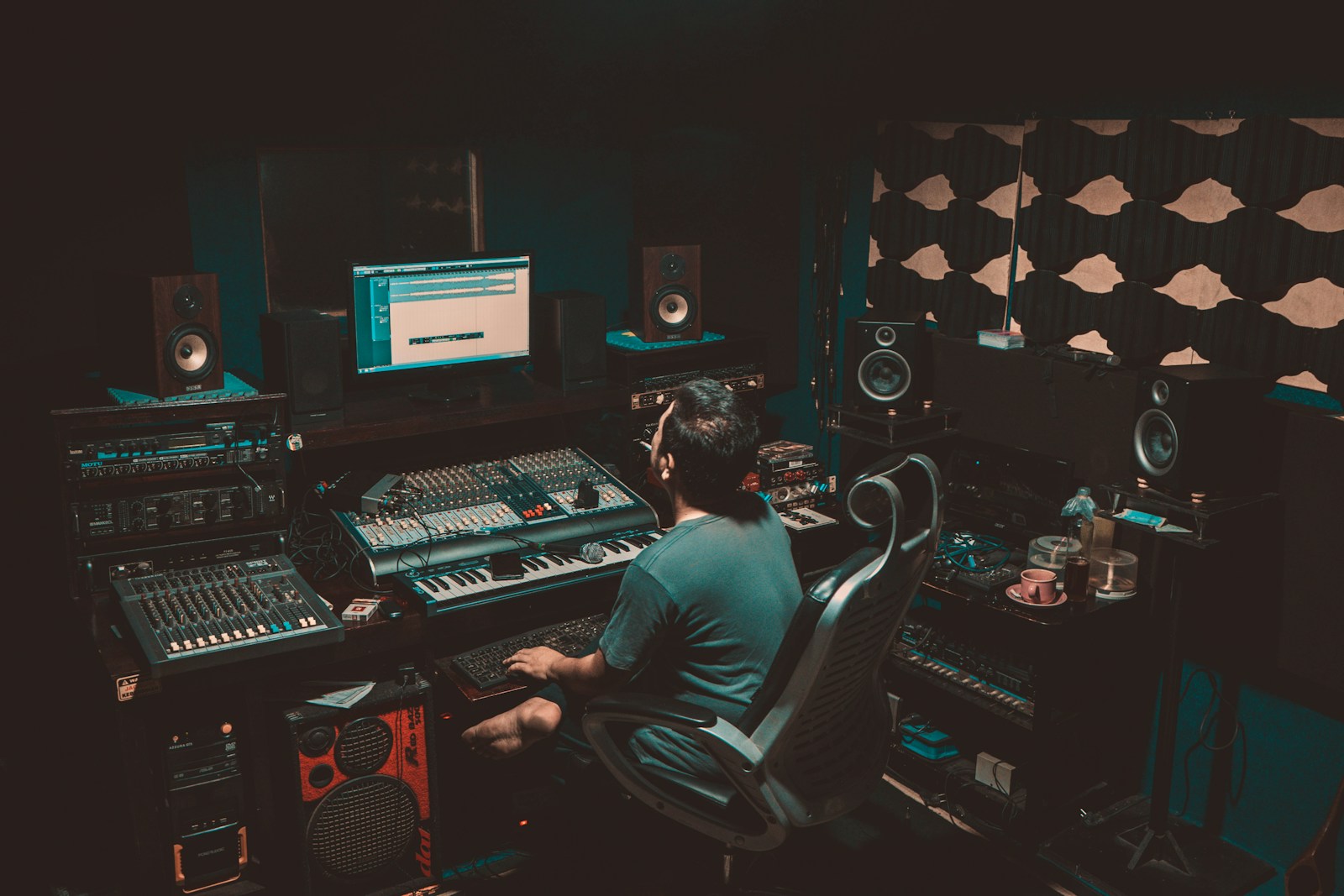
Photo by Jesman fabio on Unsplash, used under the Unsplash License.