
Title: Unfiltered Truth: Unraveling the Intriguing Mind of a Would-Be Juror
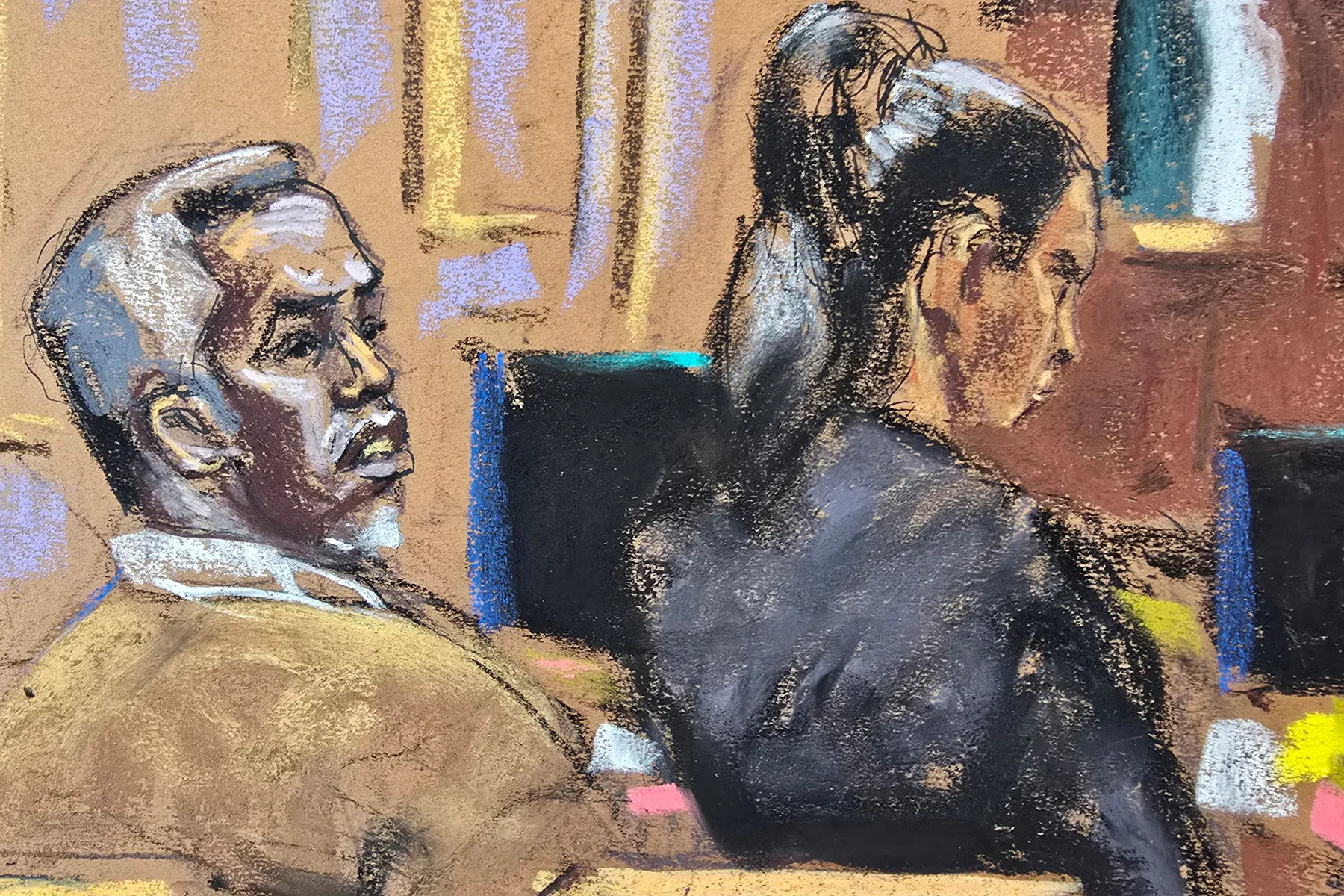
In the realm of the courtroom, where the interplay of law and human behavior unfolds, a recent incident has set tongues wagging. A 41-year-old man, his identity shrouded in mystery, found himself under the scrutinizing gaze of a judge who detected a whiff of deception in his responses. Accused of potentially shading his answers in a bid to secure a spot on the jury, this enigmatic figure now stands at the crossroads of scrutiny.
When the probing eyes of justice fall upon a potential juror, the delicate dance of truth and half-truths begins. The art of jury selection is a subtle game, where each move is carefully calculated to tip the scales in one’s favor. Could it be that this unnamed man was merely navigating the treacherous waters of courtroom selection, or was there a deeper, more nuanced motive at play?
As spectators to this unfolding drama, we are drawn into a world where truth is a slippery entity, eluding easy categorization. The notion of shading one’s answers, of molding reality to fit a desired narrative, opens up a Pandora’s box of moral ambiguity. In the hallowed halls of justice, where the pursuit of truth reigns supreme, such deviations from candor are not taken lightly.
But let us not be too quick to pass judgment on this shadowy figure. In a world rife with complexities and uncertainties, the line between truth and falsehood can blur, casting a murky haze over even the most straightforward of inquiries. Perhaps this man, faced with the weight of his civic duty, found himself caught in the crosscurrents of legal jargon and personal prerogative.
The art of storytelling, of crafting a narrative that rings true to the ears of others, is a skill honed by years of practice and experience. In the crucible of the courtroom, where words hold the power to sway hearts and minds, the temptation to embellish, to smooth over rough edges, can prove irresistible. Was this man merely a storyteller, weaving a tapestry of half-truths to gain entry into the inner sanctum of justice?
As the wheels of justice continue to turn, we are left with more questions than answers. What drives a man to veer off the path of rectitude, to stray into the realm of deception? Is it a desire for power, for recognition, or simply a fear of the unknown? The human psyche, with its labyrinthine depths and hidden motives, remains an enigma waiting to be unraveled.
In a world where perception is reality, where the truth is a malleable construct shaped by individual experiences and biases, the quest for absolute honesty becomes a Herculean task. Each of us wears a mask, a facade carefully constructed to conceal our true selves from prying eyes. To navigate the murky waters of human interaction is to wade through a sea of half-truths and white lies, each one a thread in the elaborate tapestry of our existence.
As we ponder the enigmatic figure at the center of this legal storm, let us reflect on our own capacity for deception. How often do we shade the truth, bend it to suit our needs, or outright deny its existence? In a world fraught with uncertainty and moral ambiguity, the line between right and wrong blurs, leaving us adrift in a sea of ethical quandaries.
The tale of the would-be juror serves as a cautionary reminder of the fragility of truth, the slipperiness of honesty in a world where perception reigns supreme. As we grapple with the complexities of human nature, let us not be too quick to cast stones at those who falter in their quest for truth. For in the end, we are all seekers of a truth that remains just beyond our grasp, a flickering light in the darkness of our shared humanity.