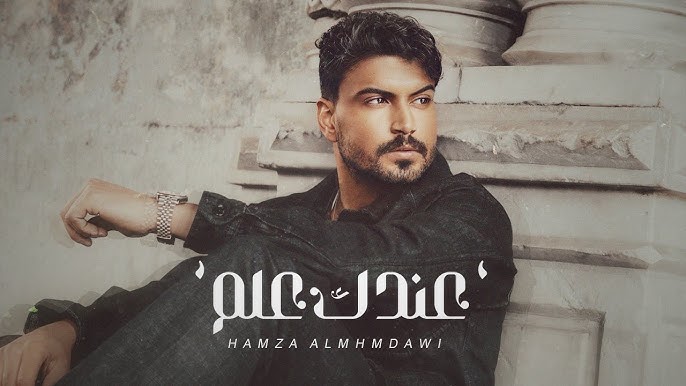
If you haven’t heard the name Hamza Al-Mhamadawi, that’s about to change. His latest hit “Awl Mara” just hit No. 1 on the Arabic Top 20 chart, and it’s not just another fleeting success—this guy is shaping up to be one of the most important voices in Arabic music today. He’s got that rare combination of soul, storytelling, and authenticity that makes his music impossible to ignore. In a world where so many artists chase trends, Hamza is doing something different: he’s reviving the emotional depth of Arabic music while making it fresh for a new generation.
Born and raised in a region rich with musical heritage, Hamza was surrounded by legends like Kadim Al Sahir, Fairuz, and Abdel Halim Hafez from an early age. But unlike many of his peers, he’s not just paying homage—he’s reinventing the sound. His voice carries the same weight as the greats before him, with a depth and richness that hits you right in the chest. It’s rare to find an artist who can take something deeply traditional and make it feel entirely new, but that’s exactly what Hamza does.
“Awl Mara” is proof of his ability to blend classic Arabic instrumentation with modern production, creating a track that feels like it belongs in both a traditional Majlis and a high-end global playlist. The song is haunting, cinematic, and soaked in emotion—the kind of track that doesn’t just sit in the background but demands to be felt. The way he delivers his lyrics, with melancholy laced into every note, makes it clear that he’s not just singing—he’s telling a story, one that listeners across generations can relate to.
And let’s talk about why this is important. In a time when much of the global music industry is obsessed with fast, viral, disposable hits, Hamza is proving that authenticity still wins. He’s bringing back the kind of music that makes you pause, reflect, and get lost in your emotions, which is something that’s been missing from a lot of modern Arabic pop. If more artists followed his lead, we’d be looking at a full-blown revival of heartfelt, poetic music in the mainstream instead of just club bangers and radio-friendly hooks.
His rise to the top of the charts isn’t just a lucky break—it’s the result of real talent, undeniable presence, and a deep understanding of what makes Arabic music so powerful. And it’s clear this is just the beginning. With rumors of new music, potential international collaborations, and an expanding fan base, Hamza is on the brink of something massive. If “Awl Mara” is any indication, he’s not just here to make hits—he’s here to leave a legacy.
So if you haven’t already, get familiar. Because Hamza Al-Mhamadawi isn’t just another artist—he’s the future of Arabic music. And if the industry is smart, they’ll pay attention.
Stay tuned to Exposed Vocals for more exclusive music news, artist spotlights, and deep dives into the artists who are changing the game.
Signal this review
Send it up if it hit, down if it missed. The most engaged pieces surface on Signal.