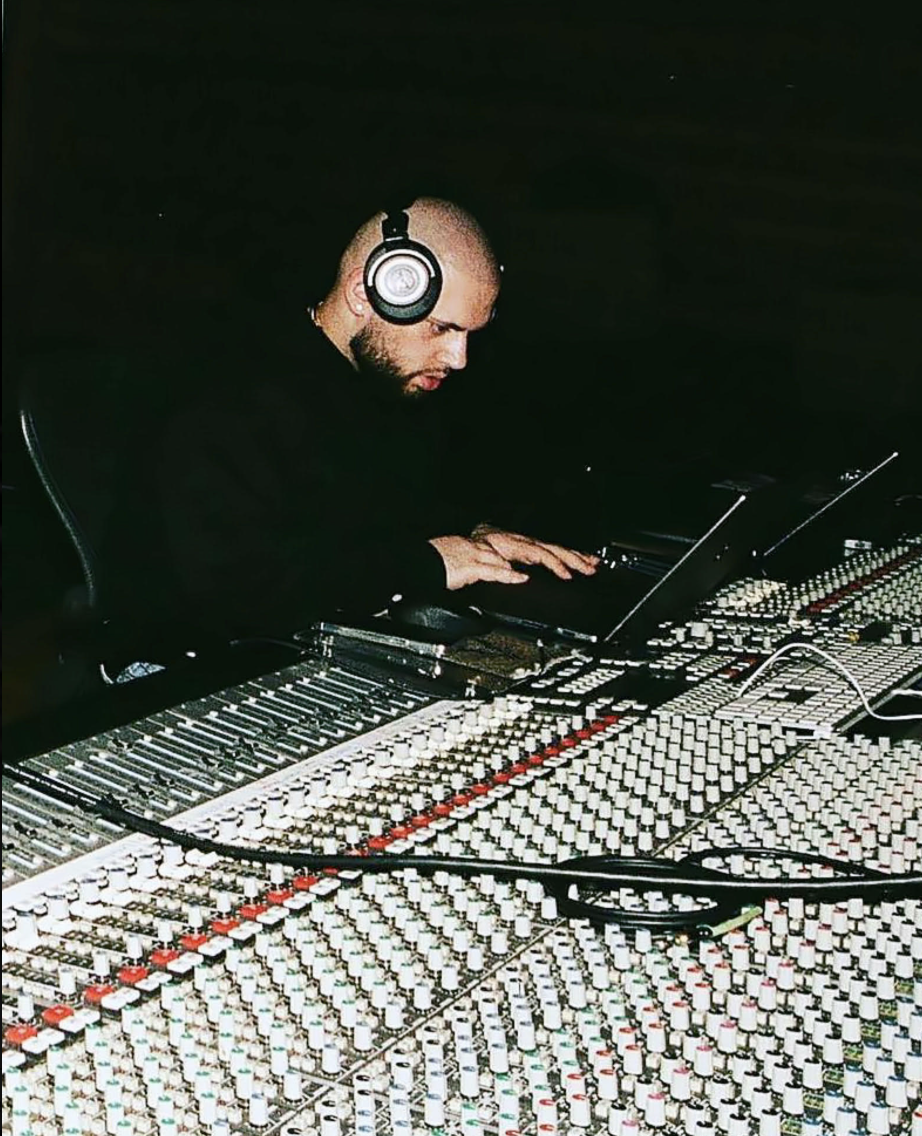
Antonio “DOPAMINE” Zito describes learning to finish records by moving between production, writing, tracking and mixing. Working with artists in Sydney meant finding a way to carry an idea through even when technical knowledge and resources were limited.
He talks about knowing when to reshape a performance and when to leave it alone, developing a working language with The Kid LAROI, and the decisions he now makes by instinct in a session.
EV: What did Sydney’s underground rap and R&B scene teach you that still shapes the way you enter a session?
Antonio “DOPAMINE” Zito: Coming up in Sydney, I was surrounded by a lot of talented creatives with great ideas, but we didn’t always have the technical knowledge or resources to finish the records. So I had to learn how to do a bit of everything, whether that was producing, writing, tracking or mixing.
Eventually I became the person everyone relied on to finish their music. I think that taught me how to be a finisher and when to step into different roles. It’s still how I approach sessions today. Whatever the record needs, that’s the role I’ll play.
EV: You first connected with The Kid LAROI early in his development. How did your working language change as the records and expectations grew?
Antonio “DOPAMINE” Zito: We kind of just clicked from the beginning. We had a similar way of thinking about music and spent a lot of time talking in depth about different records, how they sounded and what we liked about them. We worked together loosely early on, but there was always this unspoken understanding of how we both heard things.
We ended up reconnecting further down the line and that’s when we really locked in. I don’t think the way we communicated changed all that much. The chemistry was already there, we were just working together a lot more. We barely had to explain things to each other. A lot of it just came naturally.
EV: When you move between production, songwriting, recording and mixing, where do you draw the line between protecting an artist’s idea and reshaping it?
Antonio “DOPAMINE” Zito: I see my job as bringing the artist’s vision to life, but also bringing my own taste and instincts into it. It’s really about knowing how to enhance what’s already there without losing what the artist was feeling in the first place.
I’ll always make changes if I feel they’re going to improve the record, but knowing when to leave things alone is just as important. You don’t want to overproduce something or start changing things just to change them.
EV: What did “NIGHTS LIKE THIS” require from you as an engineer that listeners might not notice on first play?
Antonio “DOPAMINE” Zito: Clams Casino had sent LAROI the beat, and I remember us hearing it together for the first time and just pulling it up. LAROI went straight in and started tracking off the dome, and we were experimenting with the sound as we went. He’d stop and explain how he was hearing certain things, and we’d play around with the vocals, effects and space until we found what felt right.
It all happened really naturally, and we created this whole world around the record as we went. By the time I got to mixing it, that feeling was already there. It was more about adding some textures and refining what we’d created rather than trying to produce on top of it.
EV: How does your approach change between rap records and a pop project such as Tate McRae’s So Close to What?
Antonio “DOPAMINE” Zito: Honestly, I don’t really change my approach based on genre. It’s more about the artist and what we’re trying to achieve. LAROI was involved in this one too, and he and Tate brought me in and explained what they were hearing and where they wanted to take it.
From there, it was really collaborative. We’d bounce ideas around and figure out how to get the record where they wanted it. I was coming in as an additional producer, so it was about understanding the direction and finding where I could contribute.
EV: Which technical decision do you make by instinct now that took years to learn?
Antonio “DOPAMINE” Zito: I think it’s knowing how to shape the sound around a performance as it’s happening, without interrupting the flow of a session. I’m constantly listening and making little adjustments as we’re working, reacting to what’s happening in the moment and how everyone in the room responds.
A lot of it is instinct now. You can usually feel pretty quickly when something’s working or when it isn’t. Learning to trust my ears and make those decisions without overthinking everything definitely took years.
EV: What kind of artist or problem makes you most excited to open a session today?
Antonio “DOPAMINE” Zito: I love working with artists who are genuinely passionate and driven about what they’re creating. People who have their own way of hearing music and aren’t afraid to push things further.
The most exciting sessions for me are when everyone’s bouncing ideas off each other with the same goal of making the best possible song. Nobody’s just agreeing with everything or settling for what’s already there. It’s that constant back and forth of figuring out what could be better, making quick decisions and pushing each other to get there. I love being in those kinds of rooms.
For Zito, the best sessions leave room for people to challenge an idea and respond to each other. His aim is to help a record reach its potential while keeping the artist’s original feeling intact.
Listen to Get Even by The Kid LAROI and Giveon, a recent record Zito produced, on Apple Music. Credits: Antonio “DOPAMINE” Zito on Genius.
Signal this interview
Send it up if it hit, down if it missed. The most engaged pieces surface on Signal.