The Lost Art of Storytelling in Hip-Hop: Is Lyricism Fading Away?
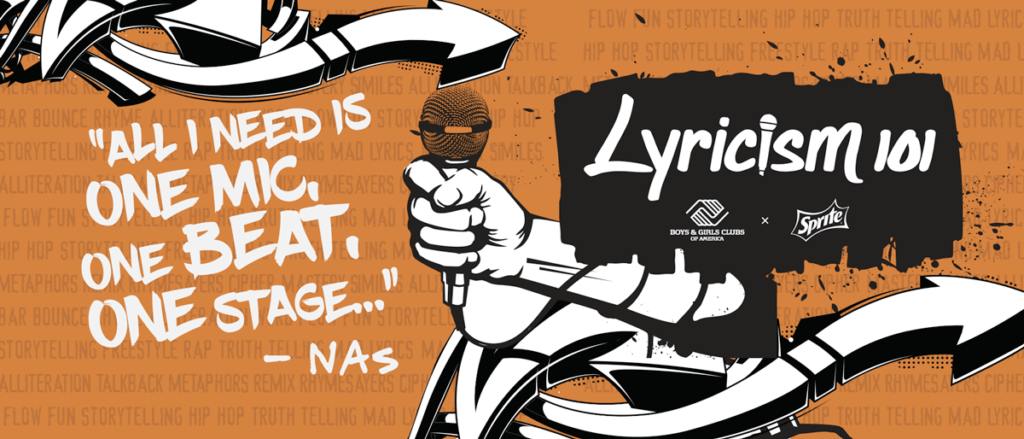
Hip-hop was built on storytelling—raw, unfiltered narratives that painted pictures of struggle, triumph, and everything in between. From Slick Rick’s detailed tales to Nas’ cinematic lyricism, rap once thrived on intricate storytelling that immersed listeners in a world beyond the beat. But as the industry has evolved, so has the demand for quick consumption. Streaming algorithms favor short, catchy songs that rack up plays, while social media pushes music that can go viral in bite-sized clips. The days of a five-minute narrative-driven track holding mainstream attention seem to be fading, replaced by repetitive hooks and high-energy vibes designed for instant impact.
That’s not to say storytelling is dead—artists like Kendrick Lamar, J. Cole, and Rapsody continue to craft music that plays out like a novel, rich with layered meanings and emotional depth. Kendrick’s good kid, m.A.A.d city was practically a movie, and J. Cole’s 4 Your Eyez Only unfolded as a deeply personal narrative. Meanwhile, new-school artists like Cordae and Denzel Curry are keeping the tradition alive, proving that storytelling in hip-hop still has a pulse, even if it’s not dominating the charts.
The real question is whether today’s listeners still have the patience for long-form storytelling. With attention spans shrinking and algorithms dictating what gets pushed, is there still space for songs that require multiple listens to fully absorb? Fans of lyrical rap still exist, and independent artists now have more freedom than ever to release music that defies trends. The hunger for authenticity has never disappeared, but whether storytelling can reclaim its place at the forefront of hip-hop remains to be seen. Has storytelling in rap truly faded, or is it just waiting for its next great revival?