What Happened to Mixtape Culture? The Evolution from Raw Drops to Streaming-Era Releases
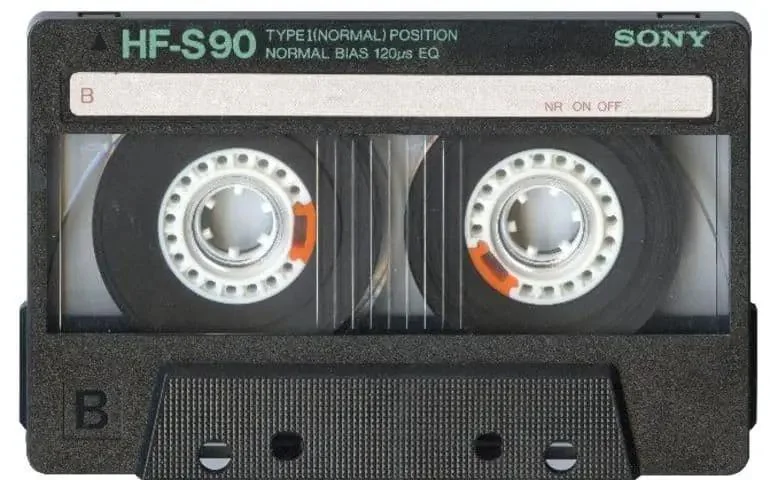
Mixtapes were once the heartbeat of hip-hop, a proving ground where artists could showcase raw talent, experiment with sounds, and build a loyal fanbase without industry interference. DJs like DJ Drama and DJ Clue helped shape the culture, giving rise to legendary projects from artists like Lil Wayne, 50 Cent, and J. Cole. Mixtapes were more than just collections of songs—they were cultural moments, often filled with freestyles over popular beats, exclusive collaborations, and unfiltered storytelling. But as streaming took over, the mixtape era began to fade, transforming into something entirely different.
With platforms like Spotify and Apple Music dominating music consumption, the definition of a mixtape has blurred. What was once a free, unofficial release handed out on street corners or downloaded from DatPiff is now a curated project released on DSPs with label backing. Artists like Drake with If You’re Reading This It’s Too Late and Future with 56 Nights popularized the shift toward mixtapes as commercial releases, blending what was once a purely underground format with mainstream accessibility. While this opened new revenue streams for artists, it also diluted the raw, unpredictable energy that made mixtapes special.
Despite this shift, elements of mixtape culture still exist in certain corners of hip-hop. Underground artists and battle rappers still drop unpolished, direct-to-fan projects on SoundCloud and Bandcamp, and street rappers continue to release free tapes as a way to build buzz without label interference. However, the mainstream mixtape scene has evolved into something more polished and strategic, leaving behind much of the reckless creativity that once defined it. The question now is whether mixtape culture can ever return to its raw, rebellious roots or if it has permanently transformed into just another marketing tool in the streaming era.