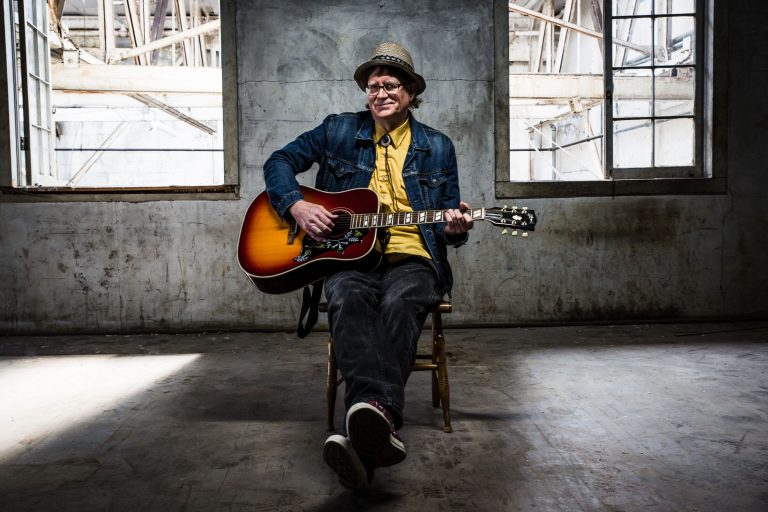

Music has an uncanny way of translating our deepest fears and emotions into something tangible—something we can hear, feel, and connect with on a visceral level. For singer-songwriter Raf Dolbac, this raw honesty is not just a choice but a necessity. His latest single, The 1st, is an electrifying blend of alternative pop, rock, electronic, and reggae influences that takes listeners on a journey through anxiety, self-doubt, and the fear of being left behind. It’s not just a song; it’s an unfiltered confession—one that dares to voice what so many struggle to say out loud.
With deeply personal lyrics and a soundscape that mirrors the turbulence of the human mind, The 1st stands out as a sonic rollercoaster—its jittery beats and haunting synths echoing the protagonist’s spiraling thoughts. Raf’s influences, from Twenty One Pilots to Billie Eilish, shine through in the track’s dynamic shifts, yet the song remains distinctly his own. More than just a piece of music, The 1st is an emotional exorcism, a way for the artist to wrestle with his own inner demons and, in doing so, offer solace to those fighting their own battles.
But where does this depth come from? How does Raf balance vulnerability with creative expression? And what does The 1st reveal about his artistic evolution? In this exclusive interview with Exposed Vocals, Raf opens up about his songwriting process, his biggest musical influences, and the powerful emotions that fuel his work. Strap in—this is a conversation that dives straight to the heart.
Exposed Vocals: The 1st explores themes of anxiety and fear of abandonment—what inspired you to write about these emotions?
Raf: “The 1st” is one of the first songs (no pun intended) I’ve ever written and something that I promised myself when I started writing music was that I would never shy away from saying what I truly thought and truly felt. Songwriting is that outlet for me, it’s a way for me to say out loud what other people wouldn’t say. So when I started writing this song, I thought to myself: “I’m going through all these complex emotions and I don’t want to beat around the bush. I want to be honest about what I’m feeling.”
Exposed Vocals: How much of the song is drawn from personal experiences versus observation or storytelling?
Raf: The entire song is drawn from personal experiences. I love observing, like you said, and storytelling in music but I really don’t do it as often as I should! I do have some songs that were written that way, that are written from an outside perspective or that are made-up stories (they’re all unreleased, though) but 99% of my songs are based on things that I’m going through.
Exposed Vocals: What message do you hope listeners take away from The 1st?
Raf: Stop focusing on what other people think of you. You think you’re able to get into people’s heads and to decode what they’re thinking about you but really you can’t. Your stress and anxiety is messing with you. Most of the time, actually, there’s nothing to worry about. Stop worrying about what your place is.
Exposed Vocals: Can you walk us through the songwriting process for this track? How did you and Eve Lanthier develop the lyrics together?
Raf: The song was written years ago by me. It was sitting on my shelf for a while after I was done writing it until I teamed up with Jean-Sébastien, my producer. Him and Ève always work very closely together and so I kind of took this opportunity to have her review my lyrics and give me tips since the song had been written for several years at the time of recording, so she helped me put the finishing touches on the lyrics.
Exposed Vocals: Did the song evolve significantly from its original concept, or did it stay true to your first vision?
Raf: It stayed pretty true to my original vision. Something that was really important to me back when I wrote this song was for my songs to be 100% authentically me. I wanted as little revision as possible, I wanted the least amount of people to interfere with them, not because I didn’t want people’s input or feedback, but because I wanted to see what impact me and my artistry would have by itself in its purest form. For many years had passed since the writing of the song and its recording process, I wanted to do younger me justice by applying that philosophy to the recording process because that’s what I would have wanted if I had recorded it at the time of writing.
Exposed Vocals: The track blends alternative pop, rock, electronic, and reggae influences—how did you decide on this unique fusion of sounds?
Raf: I love this question. When I composed this song, I was heavily inspired by one of my favorite bands, Twenty One Pilots, more specifically their song “Guns for Hands.” “Guns for Hands” is an alternative rock song with some electropop elements, and it’s very consistent in that style up until the bridge, where it descends into this slower tempo reggae sound. That part of the song, ever since I was a kid, has always been incredibly catchy to me, and I’ve sort of been addicted to it for as long as I can remember. I remember writing “The 1st” and getting to the bridge and thinking: “I want this verse to go completely somewhere else.” That’s when I started experimenting with a slower tempo for the bridge, and it just naturally took shape. I wanted it to reflect, you know, the fluctuation of the mind and how thoughts can easily scatter. I thought it would be a perfect opportunity to pay homage to my favorite band in the world.
Exposed Vocals: How does the musical arrangement reflect the emotional journey of the protagonist?
Raf: One thing I love about the song is the really simple kick drum in the verses. The beat is just a four-on-the-floor beat with no snare. For me, that sort of represents the heartbeat of the protagonist. It’s not really about the speed of the heartbeat but more about the fact that you can hear and feel it. You know when you’re stressed and you feel like your heart is in your throat and you can hear it in your ears? That’s what I wanted to convey. There’s also the synth lead, which you can hear in the intro and throughout the song. That sort of ear-piercing synth represents an alarm in the protagonist’s head. It’s that moment when he realizes something is wrong, something is shifting.
Exposed Vocals: What was it like working with producer Jean-Sébastien Robitaille on this track?
Raf: It was really fun! I came to him with the song, and he really liked it, so we quickly sat down and started recording it. Since my songs are already written and composed when I bring them to him, it’s a pretty simple process afterward to just look for sounds that most align with my idea of the song. It’s always sort of a masterclass too. He shows me how to put my ideas on the page—or rather on the screen, since we’re working with technology—and how to put them in order. It’s super helpful.
Exposed Vocals: Were there any particular artists or genres that influenced the sound of The 1st?
Raf: I mentioned Twenty One Pilots earlier, but there’s also Taylor Swift, who I admire so dearly and who inspires me continuously. Billie Eilish is another one, too. The synth lead riff from “The 1st” was actually inspired by the riff from Billie’s “bad guy.” Praise be to these incredible artists.
Exposed Vocals: Did you experiment with any new sounds or techniques while producing this song?
Raf: We did this interesting thing towards the end of the song. After the bridge, when I’m singing the chorus, there’s this build-up in speed. What’s interesting is that when the regular tempo of the song comes back at the end of that build-up, it sounds like it’s the same tempo as before, but it’s actually slightly faster. You can only tell by counting the BPM before and after the bridge. It’s something that isn’t done a lot in music, and I thought it would be fun to defy that idea of rhythmic structure and consistency. It also gives the final chorus a more hyper feel.
Exposed Vocals: Anxiety and insecurities are deeply personal topics—was it difficult to translate these emotions into music?
Raf: It was. When I was going through these emotions, I wasn’t thinking straight. All my thoughts were jumbled up, and that definitely showed on paper afterward when I wrote the lyrics. The challenge after that was to organize those words and to make them make sense, to give them structure, to make them rhyme, to make them longer or shorter, etc. It took some time, for sure.
Exposed Vocals: What role do you think music plays in helping people process emotions like fear and self-doubt?
Raf: Oh, I think music is insanely powerful when it comes to that. Music is such a channel. When you find a song that perfectly describes what you’re going through, it can be so liberating. It tells you that you’re not alone. Sometimes, you can think your emotions are so complicated and you have such a hard time explaining your situation to people, which makes you feel even more helpless. But then you hear someone sing about what THEY’RE going through and you think: “Wait, this is exactly how I’m feeling!” and all of a sudden, everything is clear. There’s a light now that wasn’t there before. So I think music is so important when it comes to dealing with negative emotions.
Exposed Vocals: Have you received any feedback from listeners who connected with the song on a personal level?
Raf: I have not! But it’s fine because I wouldn’t want anyone to relate to that song, hahaha!
Exposed Vocals: How do you personally cope with anxiety, and do you think music serves as a form of therapy for you?
Raf: How do I cope with anxiety? I have yet to find that out myself, hahaha! No, I’m just kidding. Music does help me a lot. You know, songwriting is like one big diary to me. When I’m going through something heavy and I don’t feel like talking about it, I write about it. And it always takes such a big weight off my shoulders. It helps clear my head, and it makes me understand the situation better.
Exposed Vocals: If you could describe The 1st in one word, what would it be and why?
Raf: “Fear,” I think. Because, I mean, that’s what the song is about. There are many different types of fear explored in the song—the fear of rejection, the fear of replacement, the fear of not being enough, etc.
Exposed Vocals: How does The 1st compare to your previous work in terms of style and themes?
Raf: Well, I only had one song out before The 1st, so there’s not much to compare, hahaha! But I have done projects before my solo career, though. Hallways, my previous single, was also on the more electronic side sonically, like The 1st, but it was also a lot more mellow than The 1st. Hallways is more numb, while The 1st is more scared and jittery. And apart from my solo work, I was featured on Mario Pelchat’s third Christmas album, Noël Ensemble, which is obviously very different from what I release now, hahaha!
Exposed Vocals: Can we expect more music with similar emotional depth and genre-blending elements in future releases?
Raf: Oh, absolutely. When I write, it really comes from the heart. In everything I write, there’s incredibly personal stuff, sometimes even stuff I wouldn’t even talk about to anyone. And there will also be more genre-blending. You know, my dream is to just mess around and explore different genres. I’m a huge music nerd, and I listen to soooo many things. I dream of exploring less mainstream genres like ambient, dark ambient, noise, metal, psychedelic, and so on, and I definitely think I’m going to explore them eventually. So yeah, expect the unexpected.
Exposed Vocals: What has been the biggest lesson you’ve learned in creating this song?
Raf: I think the biggest lesson I’ve learned while making this song is that it’s important to revise your lyrics, hahaha! I was so young when I wrote this song, and I definitely wasn’t at the top of my game—I still had so much to learn. When Ève and I sat down, there were some moments of like, “Hey, this is kinda weird,” and I was like, “Yeah, I agree!” So yeah, that would be the main lesson here, I think.
Exposed Vocals: Do you have any upcoming projects or collaborations that fans should be excited about?
Raf: For the moment, not really. I’m still working on new stuff, but I don’t have anything to announce yet. I’m sort of taking my time to perfect my craft, and when I feel ready, I’ll sit down in the studio and get to recording!
Exposed Vocals: Where can listeners connect with you and stay updated on your latest releases?
Raf: My listeners can follow me on Instagram at @rafdolbaccc, on YouTube at @rafdolbac, on Facebook at @rafdolbac, and on TikTok at @rafdolbac!