
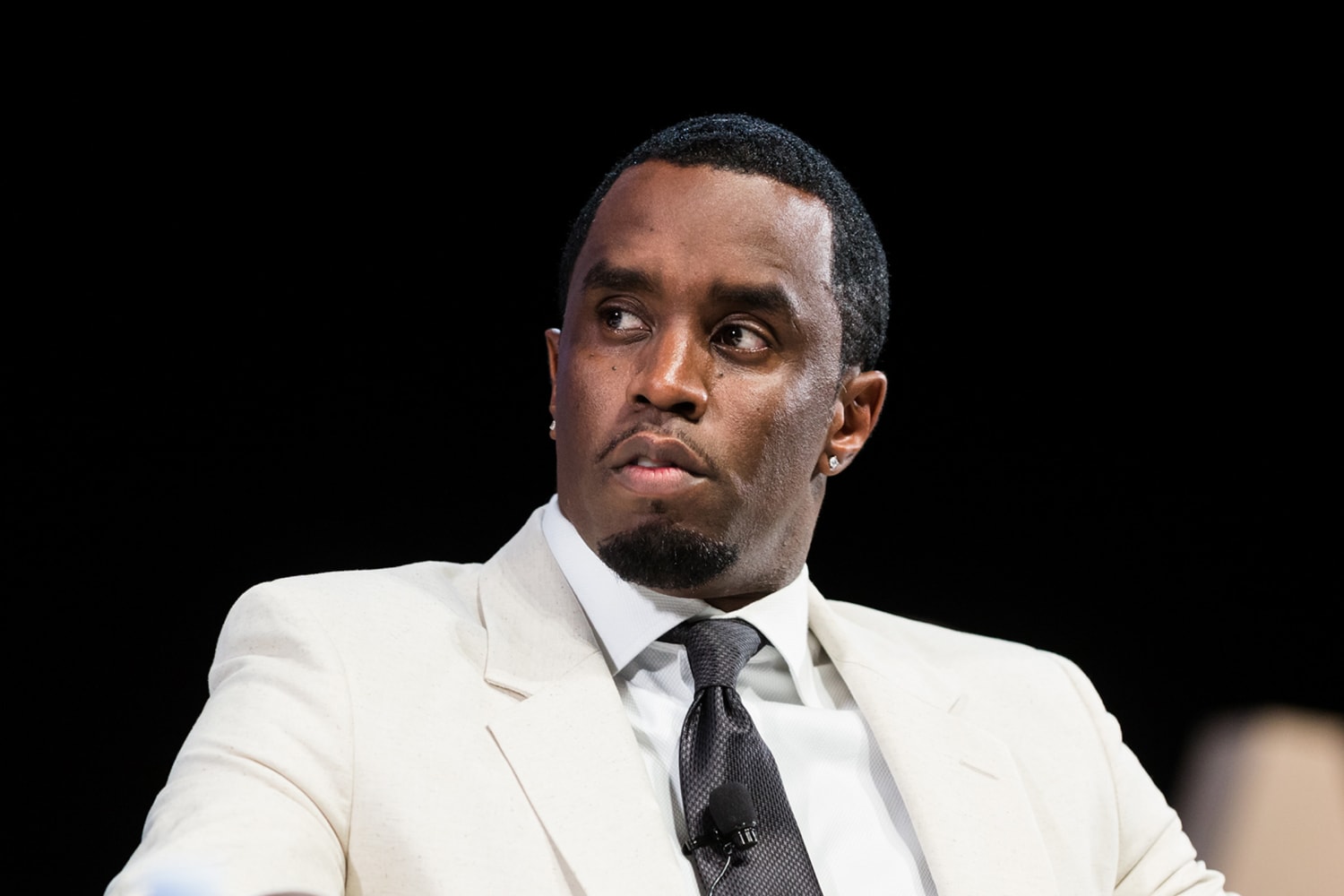
NEW YORK, NY – In the spring of 2025, inside a federal courtroom in Manhattan, the once-unshakable image of Sean “Diddy” Combs has come crashing down in real time. The man who once defined hip-hop entrepreneurship, dominated Billboard charts, and curated the soundtrack of an era now sits on trial, shackled by allegations as dark as they are staggering.
As of May 28, the trial has moved into its third week. The charges? A litany that includes sex trafficking, racketeering conspiracy, transportation for the purpose of prostitution, and other federal crimes. The portrait painted by prosecutors is not one of excess — but of exploitation. If found guilty, Combs could spend the rest of his life behind bars. But long before the jury returns its verdict, the culture is already wrestling with its own.
For decades, Combs — Puff Daddy, P. Diddy, Diddy — was the symbol of self-made success. From Bad Boy Records to Cîroc, he epitomized luxury, resilience, and power. He danced with Biggie. He launched careers. He sold us a version of Black excellence that was slick, untouchable, aspirational. But as witness after witness takes the stand, that narrative is being rewritten — not with marketing, but with trauma.
The most jarring testimony so far came from a former assistant, referred to in court only as “Mia.” Over several hours, she recounted disturbing episodes involving alleged sexual assault, coercion, and violent outbursts by Combs spanning from 2009 to 2017. She painted a picture of chaos behind closed doors: hotel rooms littered with broken glass, candle wax, blood, and more after what were euphemistically known in Combs’ inner circle as “freak-off” parties — events allegedly involving escorts, drugs, and manipulation.
Mia, with visible emotion, spoke of being forced to clean up the aftermath of those parties — not just physically, but emotionally. She testified to being raped on multiple occasions, threatened, and gaslit into silence. Her recollection of Combs’ dynamic with ex-girlfriend Cassie Ventura added further weight to the prosecution’s theory: that this was not a celebrity indulging in adult vice, but a predator orchestrating abuse under the guise of power and glamour.
Cassie’s own testimony, delivered days earlier, was equally harrowing. She described years of psychological abuse, sexual coercion, and threats involving the release of explicit footage. Her account was the core of a civil lawsuit filed in late 2023, which Combs settled almost immediately — a move that now feels less like damage control and more like an unspoken admission that something was terribly wrong.
It’s important to note that Diddy has pleaded not guilty to all charges. His defense team has aggressively fought back, filing a motion for mistrial earlier this week after prosecutors introduced evidence they claim improperly connected Combs to the 2012 arson attempt on Kid Cudi’s car — a story that first gained traction through leaked FBI documents and resurfaced during Mia’s testimony. The judge denied the motion, stating the testimony did not prejudice the jury.
Yet, regardless of legal outcomes, the tide outside the courtroom is shifting. The accusations have opened a floodgate. Since late 2023, more than 120 individuals have come forward with statements alleging abuse, exploitation, and manipulation tied to Combs. While not all are tied to the federal case, the breadth of the allegations suggests something more systemic than isolated incidents.
And it’s forcing the culture to confront a long-standing tension in the music industry: the blurred line between brilliance and control, between fame and impunity.
For years, whispers surrounded Diddy — about how he ran Bad Boy Records, about his relationships with artists and women, about violence behind the velvet rope. But like so many powerful men, he benefited from the oxygen of silence. That silence is gone now. In its place is a reckoning.
Yes, it’s about Diddy. But it’s also about who we protect, who we believe, and what we let slide in exchange for genius, success, or a fire track.
This trial isn’t just a legal process. It’s a cultural detox.
And it’s messy.
There are still weeks to go. More witnesses. More evidence. And at some point, Combs himself may be called to testify — though sources close to the defense suggest that’s unlikely. If convicted, he faces decades in federal prison. If acquitted, he may still find himself exiled from the empire he built.
Either way, the myth is gone. Whatever Diddy was to us — mogul, innovator, icon — he’s now something else: a cautionary tale, a test of justice, and a mirror for the industry that celebrated him.
Editorial Note from Exposed Vocals
These are allegations, not convictions. Sean “Diddy” Combs, like every individual in a court of law, is presumed innocent until proven guilty. The testimony covered here is drawn from official court proceedings and public records, and should be interpreted in that context.