Found in the Inbox: Mark Ciani Uses Utopia to Examine Memory and Connection
Found in the Inbox · Artist discovery
The Brooklyn songwriter explains how melody can draw listeners toward the heavier questions inside a rock record.
Mark Ciani’s Utopia takes shape around isolation, social connection and the way memory changes our relationships with other people. Those themes emerged gradually, he told Exposed Vocals, after a sustained period of writing. The album’s direction became apparent once enough songs existed for him to recognize the connections between them.
That process gives the title an interesting tension. Utopia can suggest an ideal world; Ciani’s account of the record concerns imperfect lives and the distance needed to understand them. It is a Brooklyn rock project informed by reflection, collaboration and a determination to make the music engaging in its own right.
Finding the subject through writing
In his interview answers, Ciani described beginning with a large number of songs before consciously identifying a theme. Once isolation and connection became visible across the material, he could write more deliberately around relationships that had been lost, recovered or changed.
Heaven Can’t Be Eternity grew from another kind of association. Ciani began with imagery drawn from science fiction and action stories, then recognized in it the heightened significance that decisions can carry when someone is young. The result connects youthful excitement with anxiety.
Melody as an invitation
Ciani wants the album to entertain while carrying difficult ideas. His explanation of the arrangements is a useful guide to his intent: an enjoyable melody can bring someone close enough to a song to begin considering what its words mean.
The same reasoning shapes his approach to layers. He described moving away from adding everything available and toward asking whether an element supports the emotional purpose of a song. Production becomes a series of choices about focus.
The people inside the record
Ciani identifies New York’s creative community as a source of inspiration and support. His collaborators include Kirk Schoenherr, Grant Zubritsky, Dave Scalia and Ann Courtney, alongside West Coast musician Jeni Magana. He also points to co-producer, recording and mixing engineer Fernando Lodeiro as a close creative partner.
The supplied documentary by Warren Tyler Ward provides another route into that collaborative process. It should be identified as a documentary about making Utopia; Ciani explicitly explained that he had not made an official music video for the album’s songs.
The value of continuing to make the work
Asked about promotion, Ciani described marketing as unfamiliar territory. He also sees the space it leaves for concentrated, uncompromising creation as a strength. That tension is recognizable for independent musicians balancing the work itself with the work of finding an audience.
Our full interview follows those ideas in greater depth. This feature offers an introduction: a songwriter using the distance of adulthood to consider memory and connection, then making those questions accessible through a rock record. Explore the documentary, listen through his official channels and follow his EV profile.
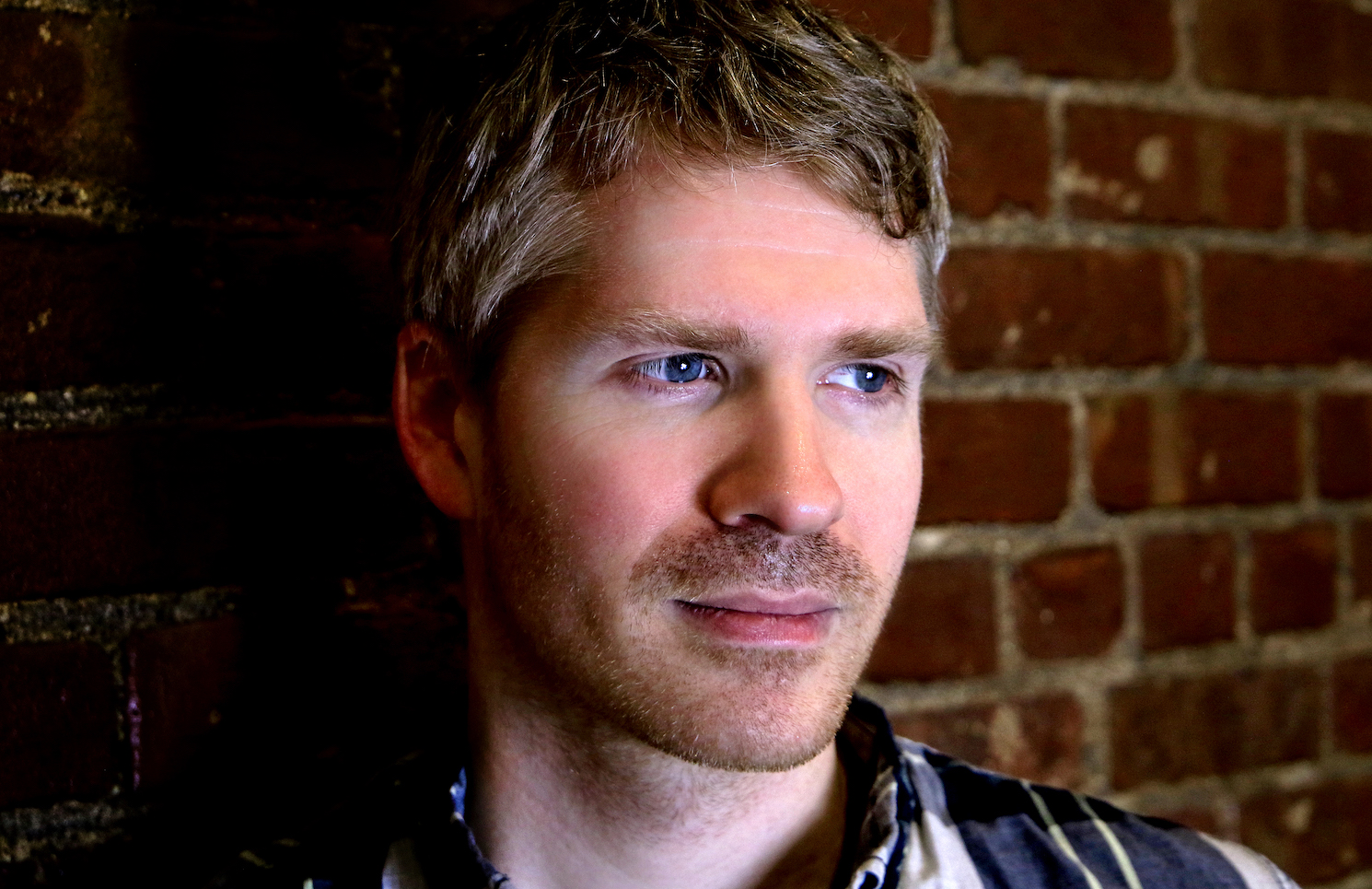
Photography: Jessica Glick. Photo supplied by Secret Service Publicity.
Keep reading
Back to Found in the Inbox ↗From this section
New on EV: Jake Northfa$e, ‘The Apartheid – Remix’
October 28, 2026From this section
New on EV: Nilo Cosmo, ‘Not Your Ordinary Boy’
October 28, 2026
From this section