10 Influential Music Artists Speaking Out Against Genocide in Gaza
As the humanitarian crisis in Gaza deepens, artists and musicians around the world are using their platforms to protest what they and many human rights organizations have described as a genocide. In a time when silence often equates to complicity, these voices from the global music scene have taken a stand against injustice, amplifying the plight of Palestinians and challenging the status quo. From projecting messages during live performances to joining large-scale boycotts, these musicians are showing that music can be a force of resistance and change.
Here are ten of the most influential music artists and groups who have spoken out or taken action:
1. Massive Attack
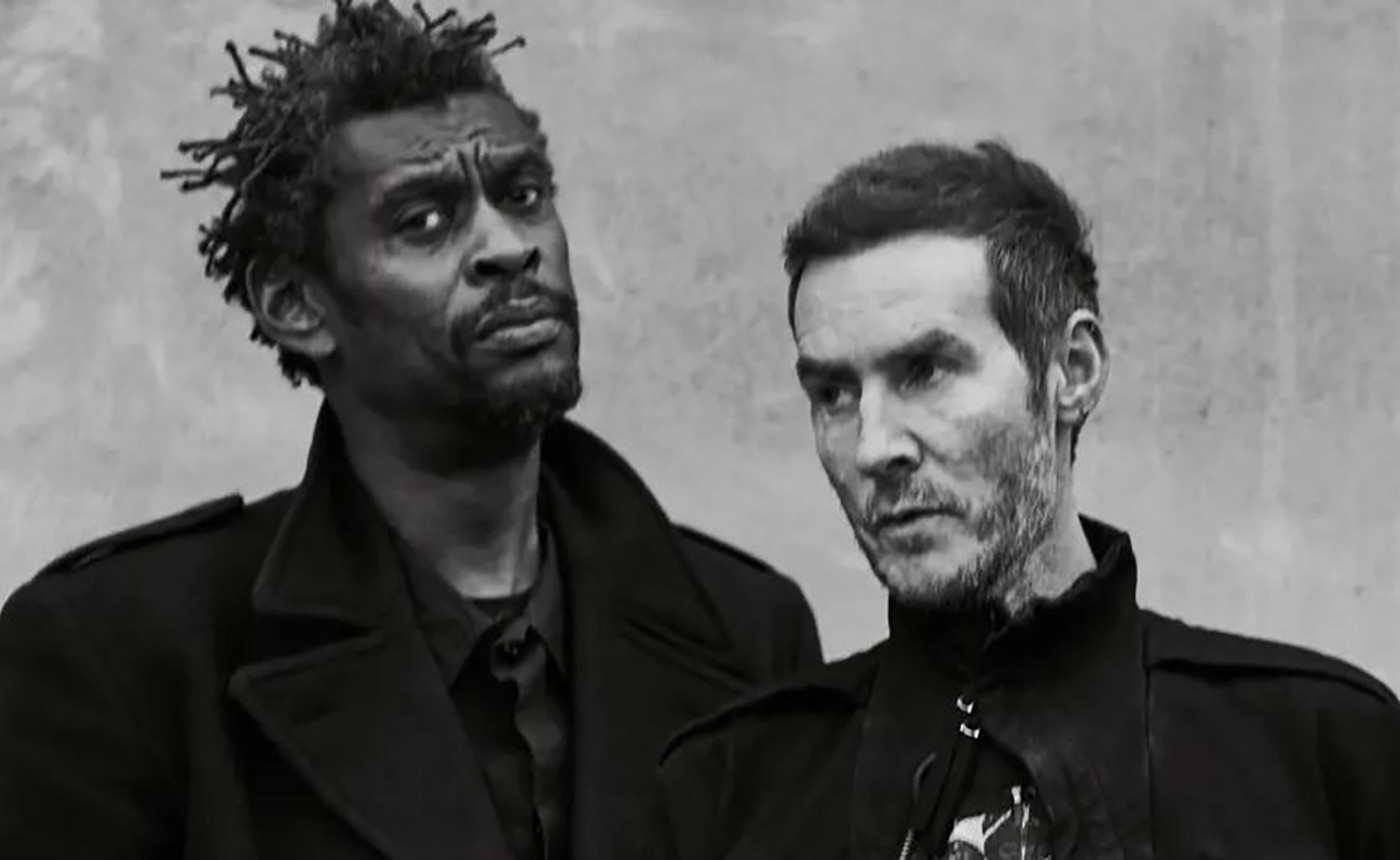
Origin: Bristol, UK | Genre: Trip Hop / Alternative
Long-time activists and pioneers of politically conscious music, Massive Attack have never shied away from speaking out. In 2025, they helped form the “No Music For Genocide” alliance, a collective of artists committed to boycotting Israeli music platforms and performances in protest of the Gaza conflict. Their consistent engagement with human rights issues lends their voice significant credibility, and they’ve often tied their music tours to political messages and humanitarian causes.
2. Brian Eno
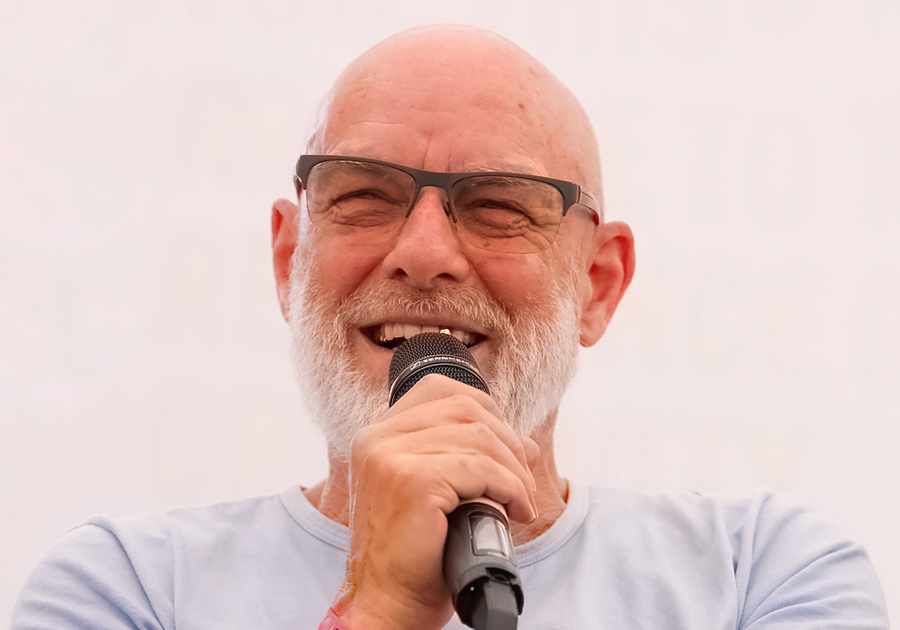
Origin: UK | Genre: Ambient / Experimental
Brian Eno, a legendary producer and composer, has long championed Palestinian rights. A founding member of Artists for Palestine UK, he’s been vocal in press statements and essays criticizing Western complicity and urging cultural institutions to take a stand. Eno’s influence reaches beyond just music — his stature in the art and academic world gives added weight to his activism.
3. Kneecap
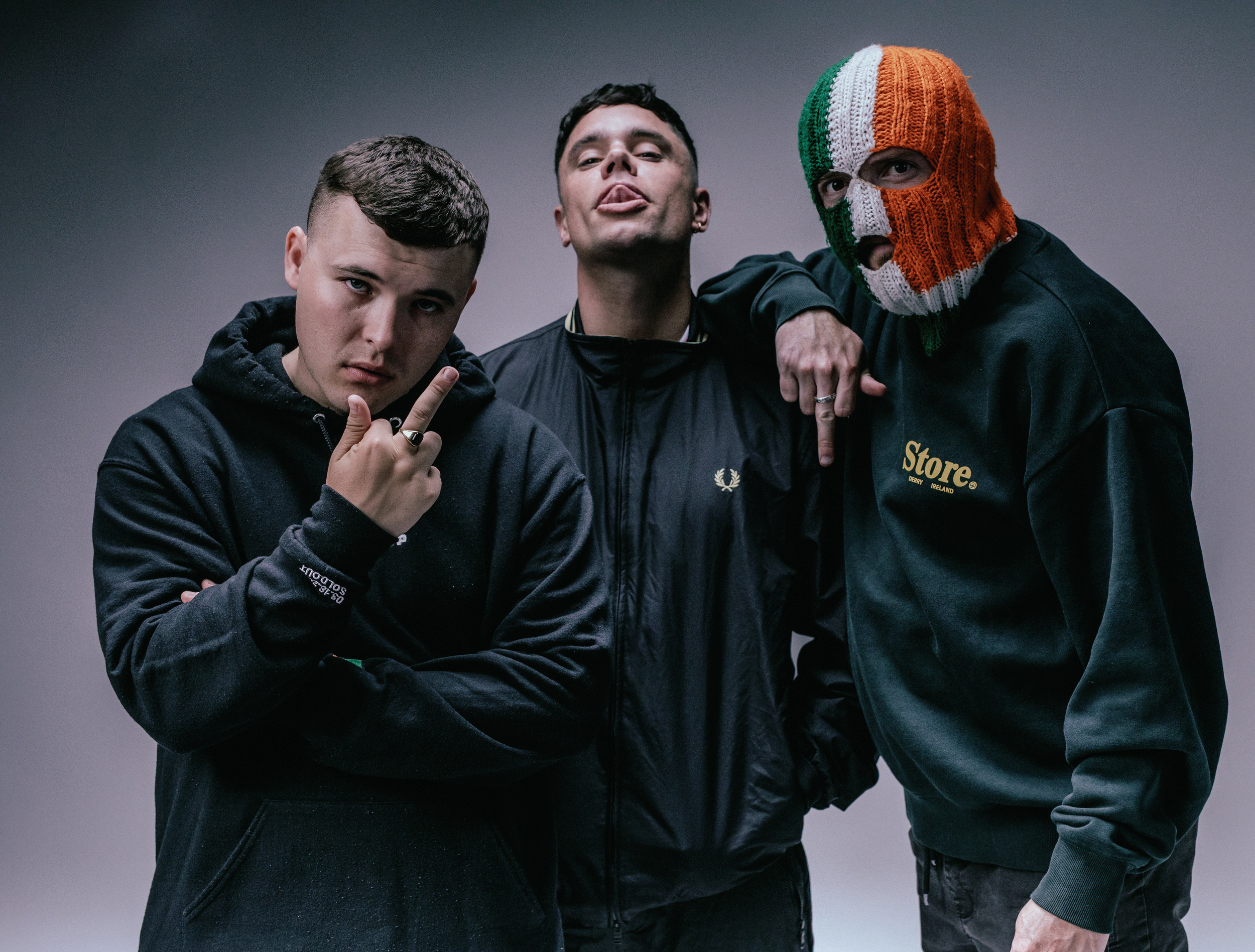
Origin: Belfast, Northern Ireland | Genre: Irish Hip-Hop
The Irish rap trio Kneecap is known for their rebellious and politically charged lyrics. At Coachella and other major festivals in 2024 and 2025, they publicly displayed the message “Israel is committing genocide” during performances. Their actions sparked both backlash and support, highlighting the polarizing nature of speaking up — and the courage it requires to do so on global stages.
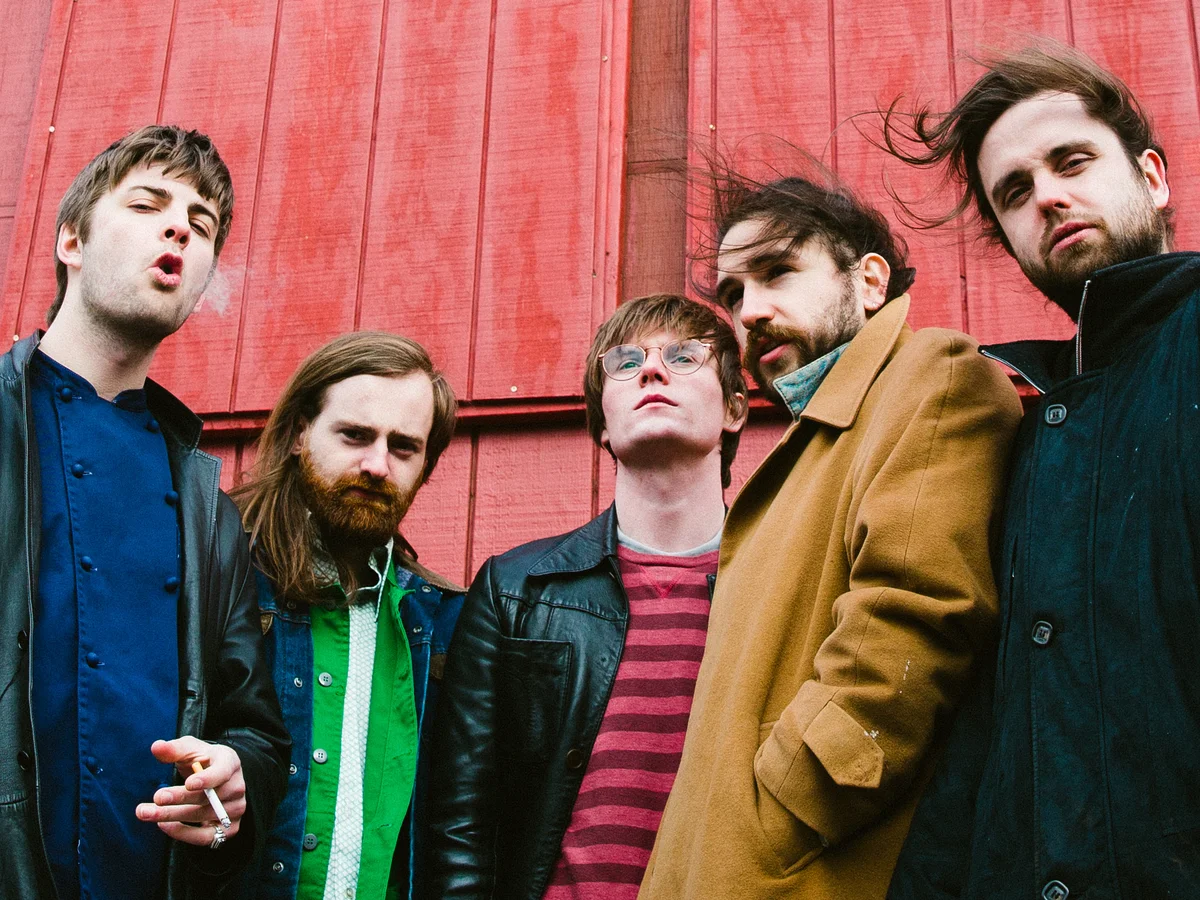
4. Fontaines D.C.
Origin: Dublin, Ireland | Genre: Post-Punk / Indie Rock
Fontaines D.C. have become one of the most visible rock bands calling attention to the crisis in Gaza. Their public performance featuring a projected message echoing the phrase “Israel is committing genocide” added a striking visual to their protest. The band has aligned itself with broader activist movements in Ireland, where public support for Palestine is historically strong.
5. Primal Scream
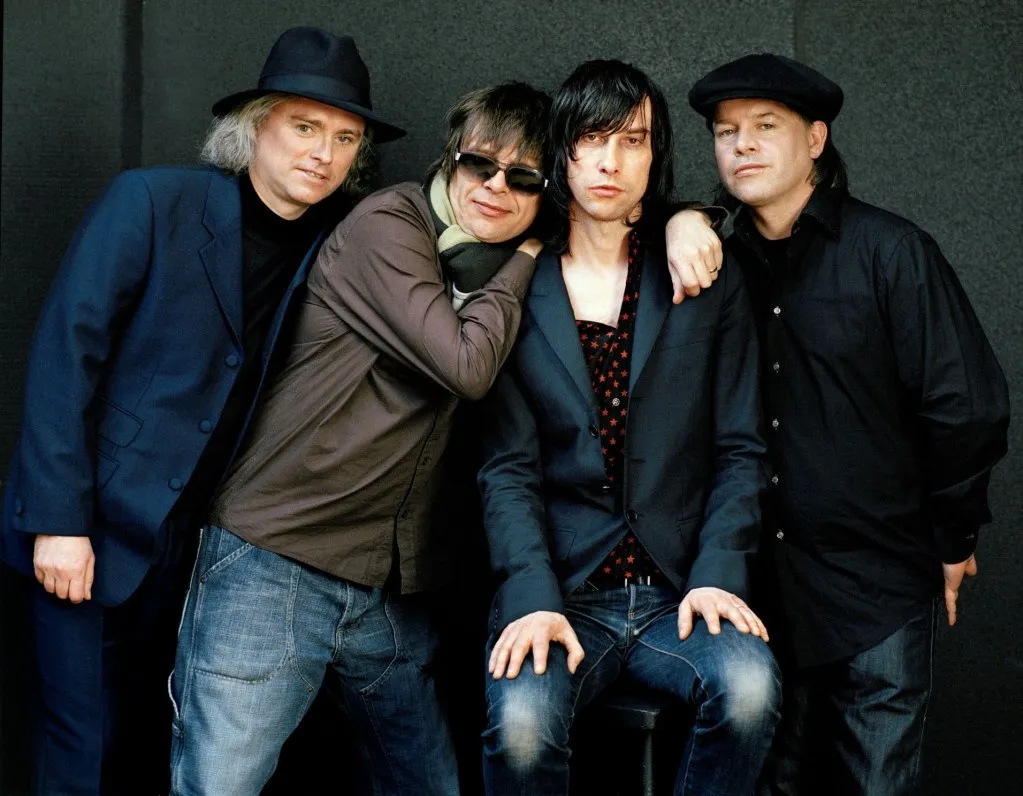
Origin: Scotland, UK | Genre: Rock / Alternative
Veterans of political commentary in music, Primal Scream joined the “No Music For Genocide” movement and supported calls to cut ties with Israeli institutions. Their legacy as anti-establishment rockers continues to evolve, with their recent activism framing them as allies in the global struggle for justice.
6. Japanese Breakfast (Michelle Zauner)

Origin: USA | Genre: Indie Pop / Experimental
Michelle Zauner, the force behind Japanese Breakfast, signed onto the artist-led boycott campaign in 2025. Known for her emotionally resonant music and thoughtful engagement with social issues, Zauner’s participation adds a voice from the Asian-American indie scene, diversifying the coalition of artists calling for change.
7. Rina Sawayama

Origin: Japan/UK | Genre: Pop / R&B / Experimental
Sawayama’s involvement in the boycott reflects her growing role as a politically aware pop artist. She’s used her rising platform to support marginalized communities, including Palestine, through public endorsements and by withholding her music from Israeli platforms.
8. Bob Vylan

Origin: UK | Genre: Punk / Grime
Known for their no-holds-barred political lyrics, Bob Vylan made headlines at Glastonbury 2025 with chants and statements calling out Israeli actions in Gaza. Their blend of punk and grime provides a raw, unapologetic platform for protest, attracting younger audiences to activism through aggressive sound and honest messaging.
9. Thom Yorke
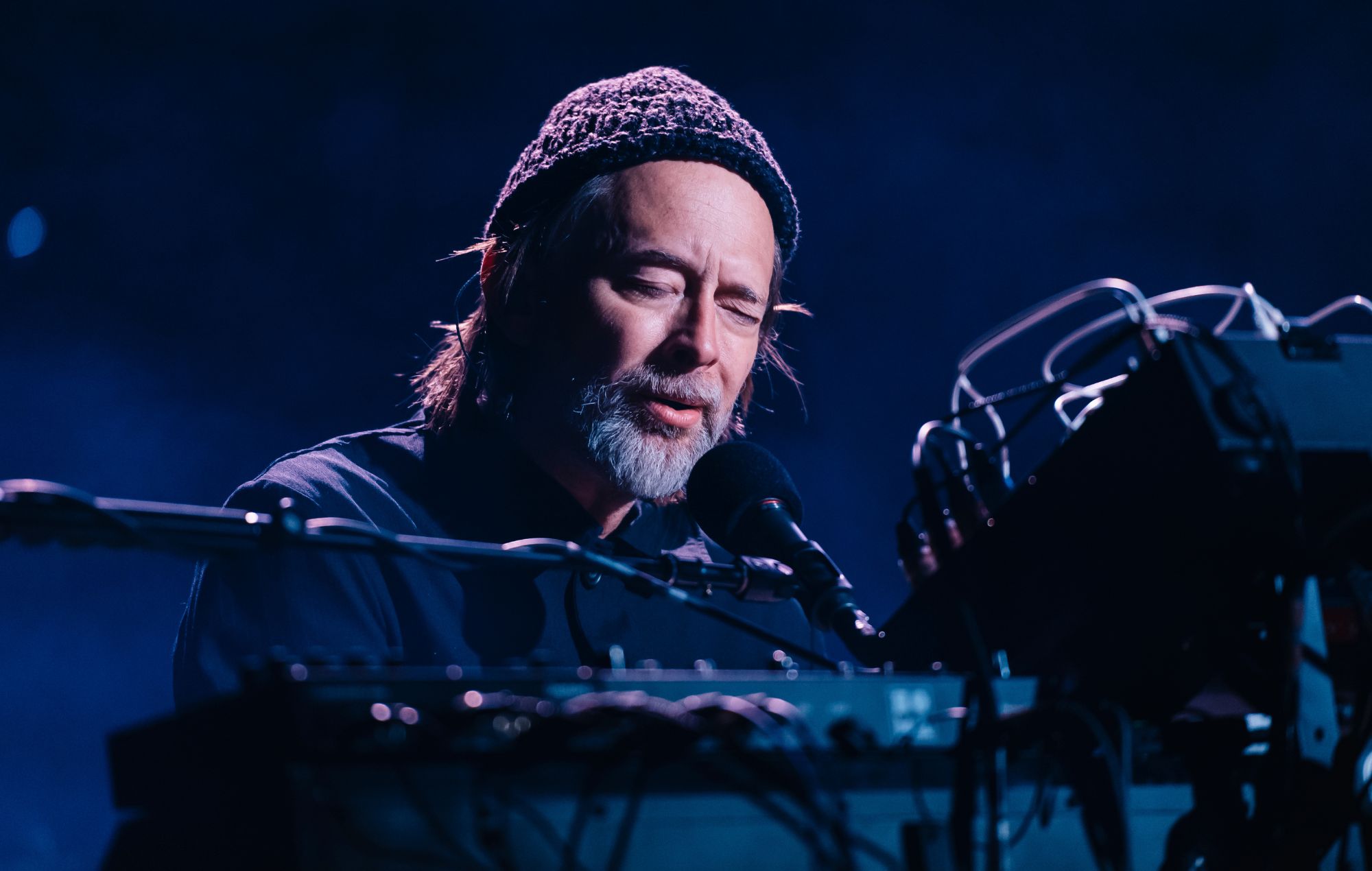
Origin: UK | Genre: Alternative Rock / Experimental
As the frontman of Radiohead and now The Smile, Thom Yorke has gradually become more outspoken in recent years. Though Radiohead once played in Israel despite boycott calls, Yorke has since expressed regret and engaged more critically with the topic. In 2025, he publicly acknowledged the severity of the humanitarian crisis and expressed support for a cultural boycott.
10. Arca, King Krule, MJ Lenderman, and others
Origin: Various | Genres: Experimental / Indie / Electronic
This group of artists represents a new wave of socially conscious musicians who are unafraid to use their art and visibility to speak truth to power. Their participation in the “No Music For Genocide” campaign reflects not only political conviction but a generational shift in how artists approach activism — particularly in digital spaces where their voices carry far beyond traditional media.
Artists like Arca (known for her boundary-pushing electronic sound and influence in queer and experimental circles), King Krule (praised for his raw, poetic lyricism and deep underground credibility), and MJ Lenderman (a breakout indie voice with a cult following), have collectively taken the bold step of withholding their music from Israeli streaming platforms. This move isn’t just symbolic — it’s a tangible act of solidarity with the Palestinian people and a direct challenge to the normalization of cultural business-as-usual amid ongoing violence.
Beyond removing their content, many of these artists are using Instagram, X (formerly Twitter), TikTok, and other platforms to raise awareness, share educational content, amplify Palestinian voices, and promote resources for humanitarian aid. Their activism is rooted not in performance, but in a deep awareness of how their platforms can function as tools for organizing, protest, and community-building.
Together, these artists reflect the evolving role of musicians in 2025: not just as entertainers, but as cultural architects capable of shifting narratives, pressuring institutions, and awakening political consciousness in their fanbases.
From punk rockers to ambient pioneers, these artists prove that music isn’t just a soundtrack to resistance — it is resistance. In the face of global injustice, their voices are not only echoing through concert halls and festival stages but through political discourse, shaping how audiences understand and engage with the crisis in Gaza. As history unfolds, these musicians remind us that silence is never neutral — and that music can still speak truth to power.