
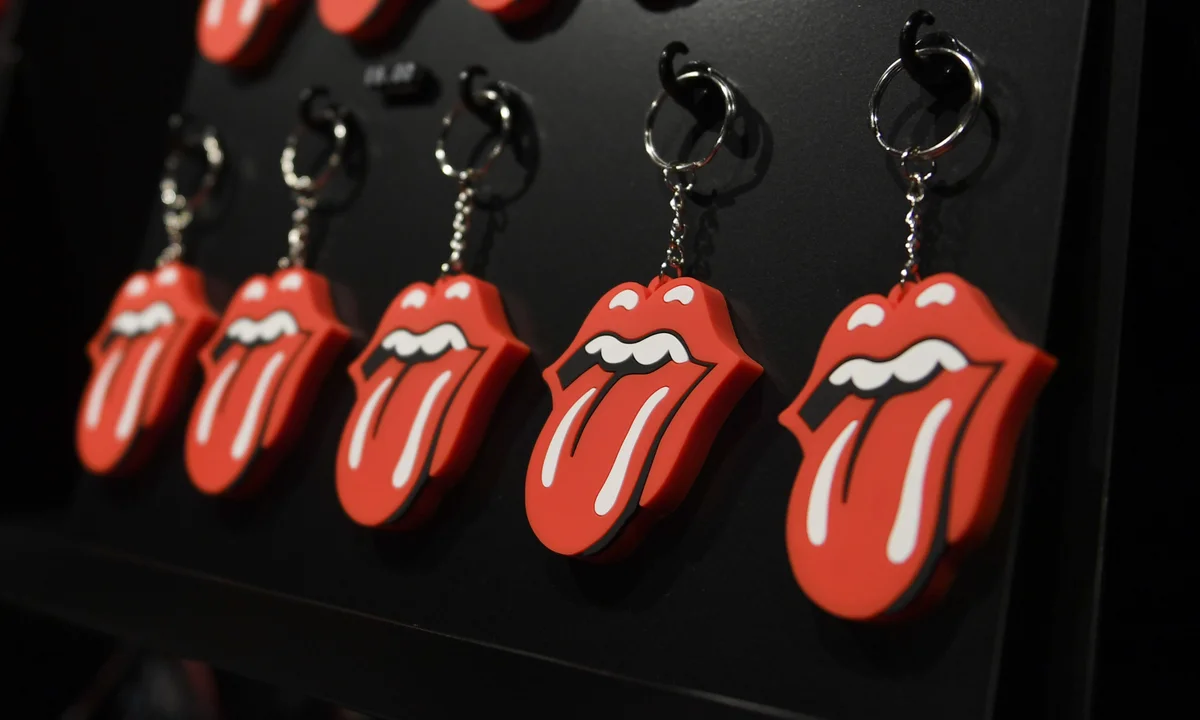
Forget platinum plaques—these days, it’s the merch table that’s fueling the grind.
In 2025, artists are making more money from tour merchandise than they are from the music itself. With streaming payouts still notoriously low (an average of $0.003 per play), even moderately successful artists are seeing that custom hoodies, vinyl bundles, and exclusive drops are where the real profits—and fan loyalty—are built.
This isn’t new. Merch has always been a key part of the live music experience. But what’s changed is the scale, creativity, and economics around it. Today’s merch isn’t just a T-shirt with a logo—it’s a full fashion statement, often designed in collaboration with streetwear brands, visual artists, or stylists. Some drops are so exclusive they sell out in minutes and resell like sneakers on StockX.
Take Tyler, The Creator’s Golf Wang, Travis Scott’s merch empire, or Billie Eilish’s oversized fits—these aren’t just side hustles. They’re multi-million dollar verticals that often outperform the music financially. Even indie artists are getting in on the wave, offering hand-signed zines, limited cassettes, eco-conscious apparel, and digital merch tied to NFTs or fan memberships.
What’s driving the merch movement?
Exclusivity and identity. Fans want to show they were there, that they belong to something. Buying a hoodie at a show—or from a time-limited online drop—is now a badge of honor, especially when it ties directly to a specific moment, tour, or era.
Emotional connection. Owning physical merch is one of the last tactile ways fans can feel close to an artist. In a digital-first industry, it adds a layer of intimacy and permanence.
Direct-to-fan economics. Merch cuts out the middleman. Unlike streaming royalties that pass through multiple hands before reaching the artist, tour merch (especially when self-managed) delivers immediate revenue.
Some artists are even flipping the model. They’ll design the merch first, then create a song or EP to go with it. In this approach, music becomes the soundtrack to the brand—not the other way around.
The merch boom has also reshaped tour strategy. Smaller acts are investing more in visual identity and brand-building than ever before, knowing that a killer merch table can make or break their bottom line on tour. Meanwhile, platforms like Shopify, Merchbar, and Everpress are making it easier than ever to launch limited-run drops or pre-orders timed to releases.
As streaming continues to flatten the value of digital music, artists are waking up to a simple truth: your brand is the product, and your merch is the delivery system. The music builds the audience—but what they wear to your show? That’s where the money lives.