
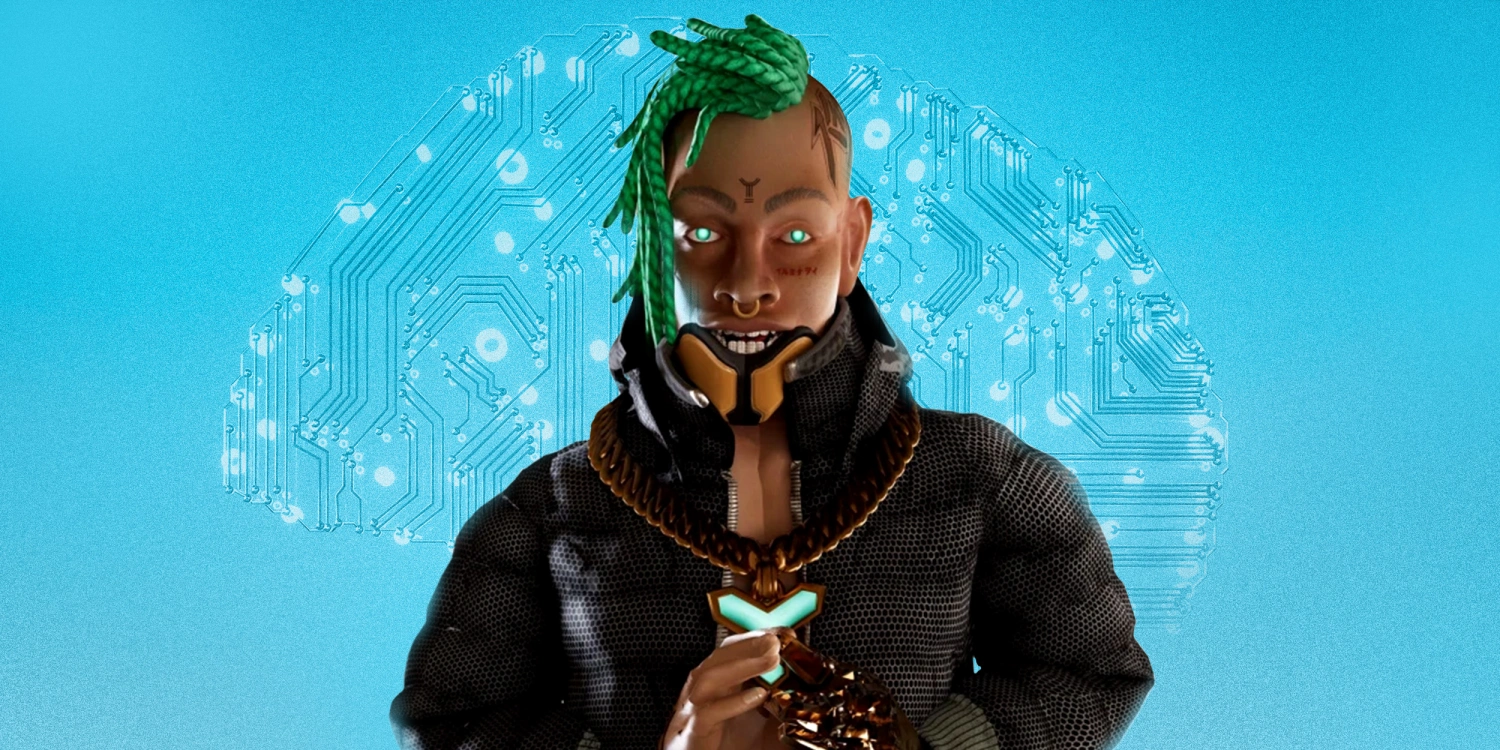
The music industry has always thrived on reinvention—but the latest disruptor isn’t human. From algorithm-generated beats to fully virtual personas, AI rappers and synthetic artists are entering the game fast, raising questions about creativity, culture, and where hip-hop is headed.
The most infamous example so far? FN Meka—a digital rapper created using AI and voiced by a real human artist, backed by major label Capitol Records… until backlash from the hip-hop community forced them to drop the project. Critics called it exploitative, tone-deaf, and disconnected from the roots of the genre. Others saw it as a sign of things to come.
While FN Meka fizzled out, the idea behind it hasn’t gone away. In fact, it’s evolving. Platforms like Soundful, Suno, and Udio allow anyone to generate full rap tracks—lyrics, beats, and flow—with minimal input. Meanwhile, virtual influencers and AI-generated performers are racking up views on YouTube, Twitch, and TikTok.
For artists, especially emerging ones, this raises a mix of excitement and concern. On one hand, AI tools offer new ways to experiment—writers can overcome blocks, producers can flip styles instantly, and indie rappers can release songs faster than ever. On the other hand, there’s a growing fear of being replaced by code and synthetic voices with no lived experience.
Hip-hop, more than most genres, is rooted in authenticity. It’s built on struggle, identity, regional flavor, and social commentary. Can an AI understand the cultural weight of a bar? Can it write lyrics that hit with emotional truth or political impact? So far, no—but it can certainly mimic cadence, rhyme schemes, and sonic trends with eerie precision.
What’s interesting is how some artists are embracing the tech—not to replace themselves, but to amplify their vision. Rappers are using AI to create alternate versions of their voice, build layered vocal textures, or even craft virtual alter-egos that let them explore new personas without compromising their real-life identity.
Labels and tech companies are watching closely. The potential to build an artist that doesn’t sleep, tour, or age—one that lives forever in the metaverse—is tempting. But fans aren’t just buying a sound; they’re buying into a story. If there’s no real person behind the bars, will the culture care?
Whether AI rappers are a passing gimmick or a permanent shift, one thing’s for sure: the conversation is just beginning. As technology races forward, hip-hop will need to decide how much space it’s willing to give to artists that never breathe—but never miss a beat.