
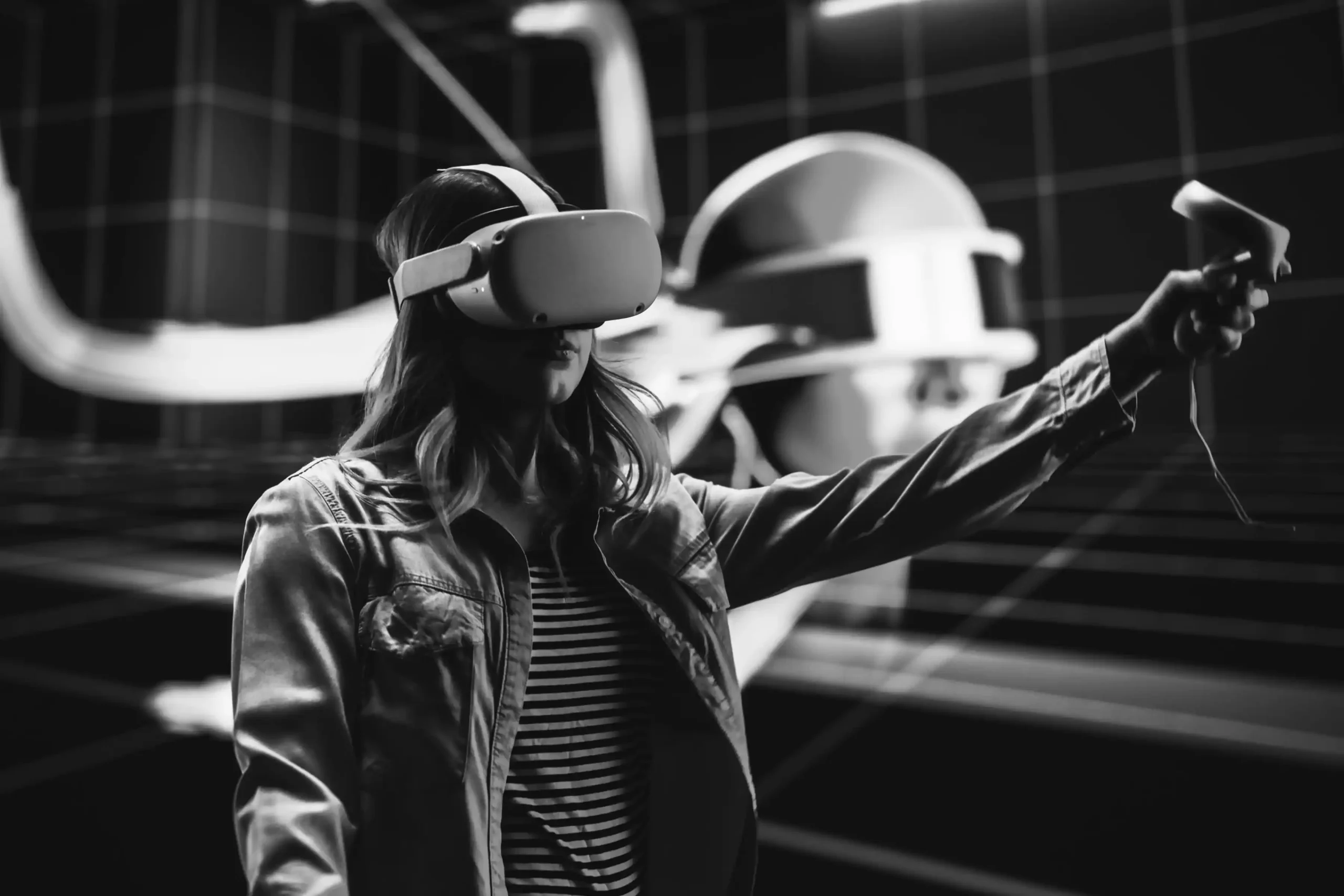
The idea of attending a concert without leaving your bedroom once sounded like science fiction. In 2025, it’s not only possible — it’s becoming a strategic move for artists looking to connect with global audiences in new, immersive ways. But as the excitement around virtual reality (VR) and the metaverse starts to stabilize, the question remains: is this the future of live music or just another tech-driven detour?
The early pandemic-era surge in virtual concerts sparked widespread experimentation. Platforms like Fortnite, Roblox, and Wave paved the way with major pop stars hosting digital shows that attracted millions of viewers. Since then, the technology has matured, and so has the ambition. VR-specific platforms like AmazeVR, Stageverse, and Soundscape VR now offer fully immersive concert experiences — complete with 360° environments, spatial audio, and avatar-based interaction.
Artists ranging from mainstream acts like Megan Thee Stallion to experimental producers in electronic and ambient genres have embraced these platforms. AmazeVR, for example, launched an entire VR tour in partnership with Meta Quest, where fans could experience a front-row show from anywhere in the world. Meanwhile, indie artists are creating their own virtual worlds via tools like Unity and Unreal Engine, hosting concerts in environments limited only by imagination — underwater cities, alien landscapes, and glitchy dreamworlds.
One of the biggest draws of VR concerts is accessibility. Fans in remote or underserved locations can now attend performances they’d never reach otherwise. For artists, it’s a chance to scale shows infinitely without venue limitations, travel costs, or production logistics. Monetization models include virtual ticket sales, in-platform purchases (like avatar merch), and sponsorships — all without the high overhead of physical touring.
Still, the space is far from perfect. Hardware adoption remains a barrier, with full VR setups still priced out of reach for many fans. Motion sickness, clunky controls, and underwhelming visuals continue to affect user experience, especially on mobile or lower-end devices. And despite the potential, fan engagement in VR hasn’t yet reached the cultural intensity of a packed venue or a sweaty club show.
There’s also the question of authenticity. While some see VR concerts as a way to enhance musical storytelling and push creative boundaries, others argue the emotional core of live music — the physical energy of shared space — can’t be digitally replicated. Yet hybrid models are emerging: artists are streaming real-world shows into VR spaces, blending tactile performance with digital immersion.
Whether it’s a passing phase or a permanent pillar of live music, one thing is clear: the tools are in place, the experimentation is happening, and fans are showing up. For a new generation of creators and listeners raised on gaming, digital art, and virtual socializing, the metaverse isn’t just a novelty — it’s an extension of how they already engage with music.
So while the mainstream industry still debates its long-term value, forward-thinking artists are already planting their flag in this virtual territory. It may not replace the roar of a live crowd, but it’s offering something else entirely — a customizable, creative, and borderless stage for music in the digital age.