Michael Coleman Has Eight Chart-Toppers and Still Feels He Has Something to Prove
In this story
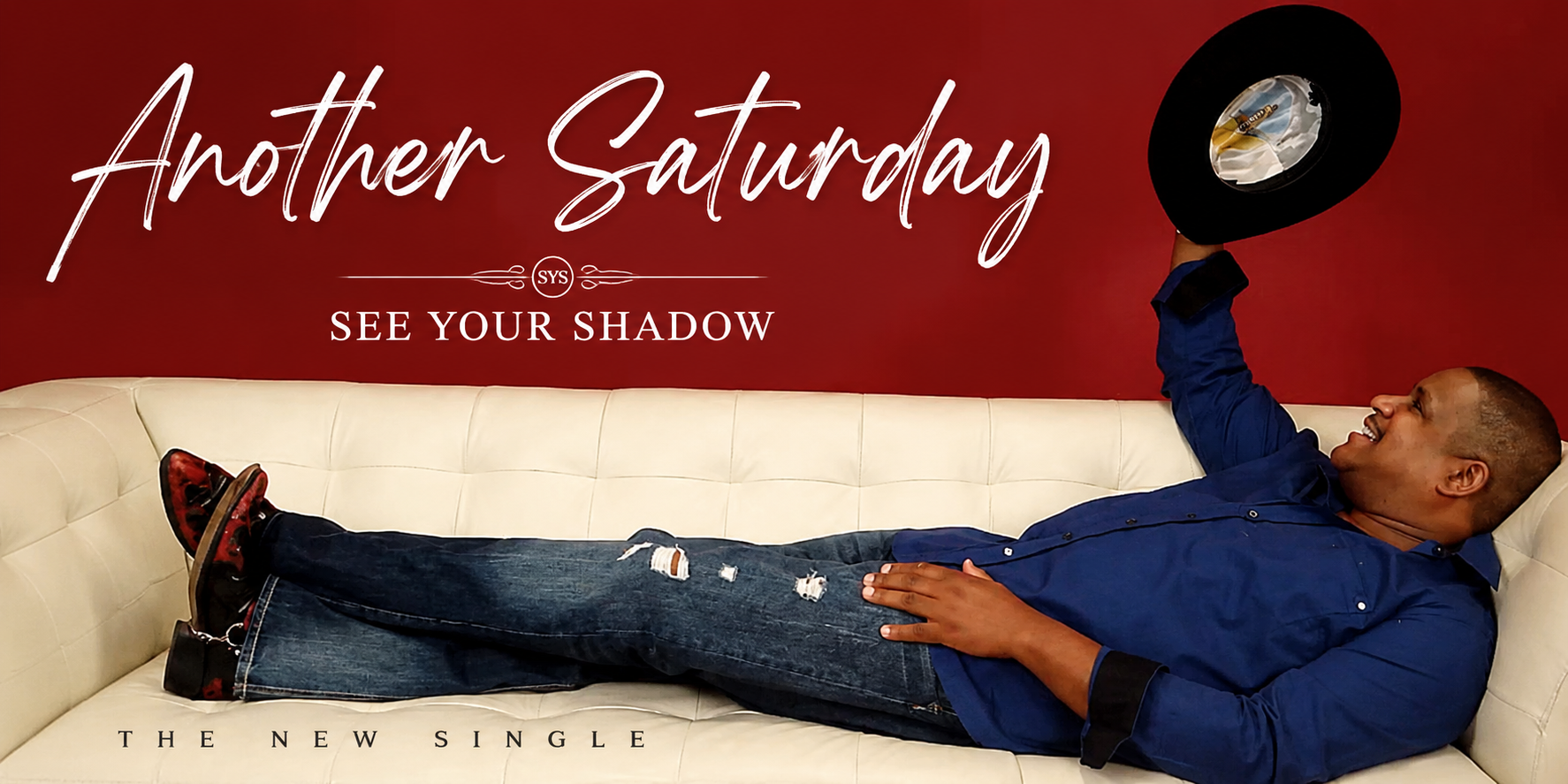
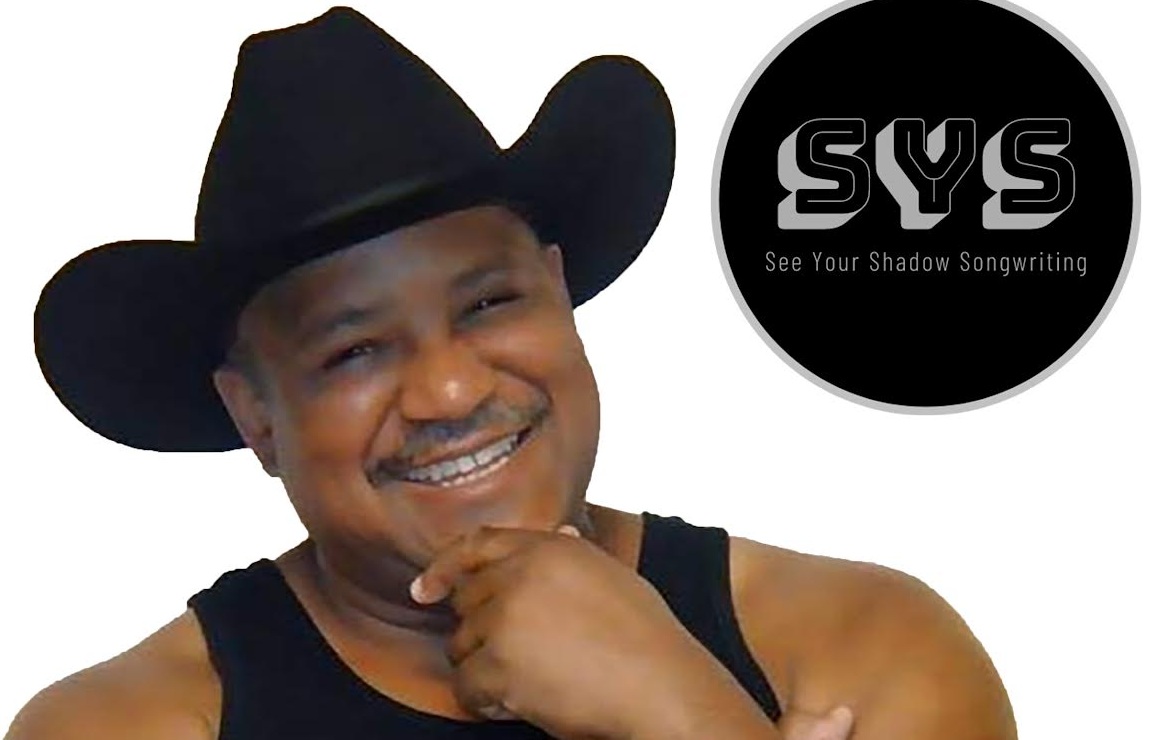
Eight consecutive chart-topping singles. Multiple industry awards. A model that puts the song — not the face — at the center of everything. See Your Shadow, the Phoenix-based music collective led by Artistic Director Michael Coleman, has been quietly building one of the most consistent track records in independent music. With the release of “Another Saturday” — a raw, detailed study of heartbreak, identity, and the particular ache of a woman navigating life after love — that streak reaches eight. We caught up with Coleman to talk about where the song came from, what it takes to keep a streak alive, and what he still feels he has left to prove.
Eight consecutive chart-topping singles is a remarkable streak. When you look back at that run, what do you think is the common thread that connects all of them?
I would have to say it is three things: quality, emotion, and authenticity. I think that See Your Shadow’s work gives people a feeling that has long been missing from music — country music especially. Every song I write I draw from something within me, or things I have observed over the years, things relative to the human condition. That makes them authentic, relatable, and most of all good music. We are blessed to have some top-notch folks that make up the See Your Shadow Network of Stars. It’s a blend that just works.
That blend starts with the writing itself — and “Another Saturday” is a master class in specificity. A woman. A morning. A weight that won’t lift. Coleman has been writing long enough to know that the most universal songs are usually the most particular ones.
“Another Saturday” deals with heartbreak and identity after loss in a very specific, detailed way. Where did the story for this song come from?
Quite honestly, I don’t know where the song came from. I wrote it many, many years ago. If I had to take a guess, I would say it probably came from my observation of the human condition — and there could be a little bit of me thrown in there as well. I certainly have experienced my share of heartbreak. I once nursed a broken heart for five years and it was probably during that period when the song was written. Looking at the piece now, I really think that is why it is so universal — because anyone could be the person in this song.
“Anyone could be the person in this song.”
That universality doesn’t happen by accident. It comes from craft — knowing not just what to say, but exactly how to say it. A single line can carry an entire life’s worth of weight if it lands right. Coleman has thought hard about what it means for a lyric to be finished.
The line “Right now she’s not anybody’s girl / Though she used to be someone’s wife” does a lot of work in very few words. How do you know when a lyric has found its final form?
That’s tough, because you always think things could be better when you’re writing — so much so that you can overthink it. I think knowing when something lands comes from knowing your craft, and I have spent a lot of time over the years honing mine, so I’m able to write the lines that deliver that one-two punch a little quicker now. One time, for my song “Through the Seasons,” it took me a month to come up with the right combination for a four-line bridge — because it had to be just right.
The craft extends well beyond the page. See Your Shadow isn’t a conventional band — it’s something closer to a creative infrastructure, built to serve the song rather than the lineup. That distinction matters, and Coleman arrived at it through experience.
See Your Shadow operates as a “Network of Stars” rather than a traditional band. How do you maintain a consistent identity and sound when the lineup of musicians shifts from project to project?
That is very hard, because we do so many different types of music. Most know us for our country work and our dance work, but we also just released an R&B pop project, our album A New Era. At the root of it all, however, our fans, radio partners, and industry insiders always know that when they see the See Your Shadow logo, it is going to be a quality project — and that constant is what makes up the brand.
That brand clarity came from a conscious decision early on — one that required Coleman to step back from convention and redefine what his role actually was.
You serve as Artistic Director rather than frontman in the conventional sense. How did you arrive at that model, and what does it give you creatively that a traditional band setup wouldn’t?
In the early days of See Your Shadow, that definitely wasn’t the model — we focused more on the artist, having them up front. But what I learned quickly was that the music was being lost because people were more concerned with what the person singing the songs looked like. So I took that element out of the equation and made the songs be the star, with me as the person at the helm of the ship bringing all of the sound to life. I call myself the Artistic Director because that is what I am doing — setting the tone and direction of the art that is created. This model allows me to have complete autonomy over the work we create.
“I took that element out of the equation and made the songs be the star.”
Complete autonomy — it’s what every independent artist wants and what most can’t sustain. For Coleman, that freedom also extends to geography. Based in Phoenix rather than Nashville or Austin, he’s built something that doesn’t trace its lineage to either of those cities.
Phoenix isn’t typically associated with country and Americana the way Nashville or Austin are. Has being based there shaped your music in ways you might not have expected?
Not really. No matter where I am, the influence of the sound and the music we create always comes from the same place — my mind. Rock and country are staples on the Phoenix circuit because of the history of the wild, wild west, and there’s a huge Latin influence because of the large Latino population, but the surroundings rarely have an impact on the music I choose to create.
The music comes from within — but it still has to work in the world. And in 2026, making music work commercially means reckoning with what contemporary production demands, even when your instincts pull toward something more timeless.
“Another Saturday” is described as blending country influences with contemporary production. How do you decide how far to push the contemporary elements before it stops feeling like the music you want to make?
You really have to find the balance. At the foundation of what we create, it is the lyric — but the arrangement has to be commercial and marketable if it is going to be successful, so you have to make your music contemporary whether you like it or not. If I write a good lyric with a good melody, any arrangement will work — but it’s the contemporary one that gets the work noticed. Some of my colleagues struggle with this and continue to produce work with a sound from a certain era, and that just doesn’t work in an industry that keeps evolving. If you are going to survive, you have to evolve with it.
Evolving with the industry — while staying rooted in what you actually do well — requires a creative discipline that looks different for every artist. For Coleman, it doesn’t mean being constantly in writing mode. It means always being in creative mode.
With a forthcoming catalogue continuing to build, what does the creative process look like for you between releases — are you always writing, or do you work in concentrated bursts?
It really all depends. A few years ago I said I wasn’t ever going to write or produce another record — but I guess you really can’t go against your calling. I am not always writing songs, but I do so many other things in the arts that I am always thinking about or creating something. For example, I have two original game shows I produce for the bar that I own, so my mind is always going. Creating art, no matter what it is, is my passion and I do live and breathe that every day.
A mind always going, a catalogue always building. Eight chart-toppers in — and Coleman is direct about what that number actually means and doesn’t mean in the current landscape.
What does a chart-topping single actually mean for an independent artist in 2026 — commercially, creatively, and in terms of how the industry responds to you?
For me, and I think for other indie artists, it means validation that your work is good. I actually didn’t realize how many we had until I started preparing to release “Another Saturday.” The chart-toppers and all of the awards we have won do mean that we can command respect — and that when people see our logo and hear our name, they know they can count on great art.
Respect earned, purpose validated. And yet Coleman’s answer to the final question reveals someone who hasn’t settled into the comfort that eight chart-toppers might afford. There’s still something to prove — not to the industry, but to something larger.
Eight singles in, what does See Your Shadow still have left to prove — to the industry, to your audience, or to yourself?
I think what any artist always has left to prove is that they are still good enough and still have their talent. For me, I also have to walk in my purpose — and I think when your higher power gives you talent and a purpose, you have to obey. So what still has to be proved is that this is still my purpose, because the music I create does have an impact on people. That is still what has to be demonstrated: that I am doing what I am supposed to be doing.
Eight chart-toppers and a body of awards that most independent artists never come close to — and Michael Coleman still frames everything around purpose rather than achievement. That’s not false modesty. It’s the worldview that makes the music what it is: rooted, honest, and built to last. “Another Saturday” is out now. See Your Shadow continues to do exactly what it’s supposed to do.
Signal this interview
Send it up if it hit, down if it missed. The most engaged pieces surface on Signal.
Keep reading
Back to Interviews ↗
Also featuring this profile
When Saturday Night Stops Being an Escape: See Your Shadow’s “Another Saturday” in Review
September 26, 2026
From this section
Chlorine Beach on Groove Forward, Garage Recording and Their NYC Puzzle Campaign
October 23, 2026
From this section