
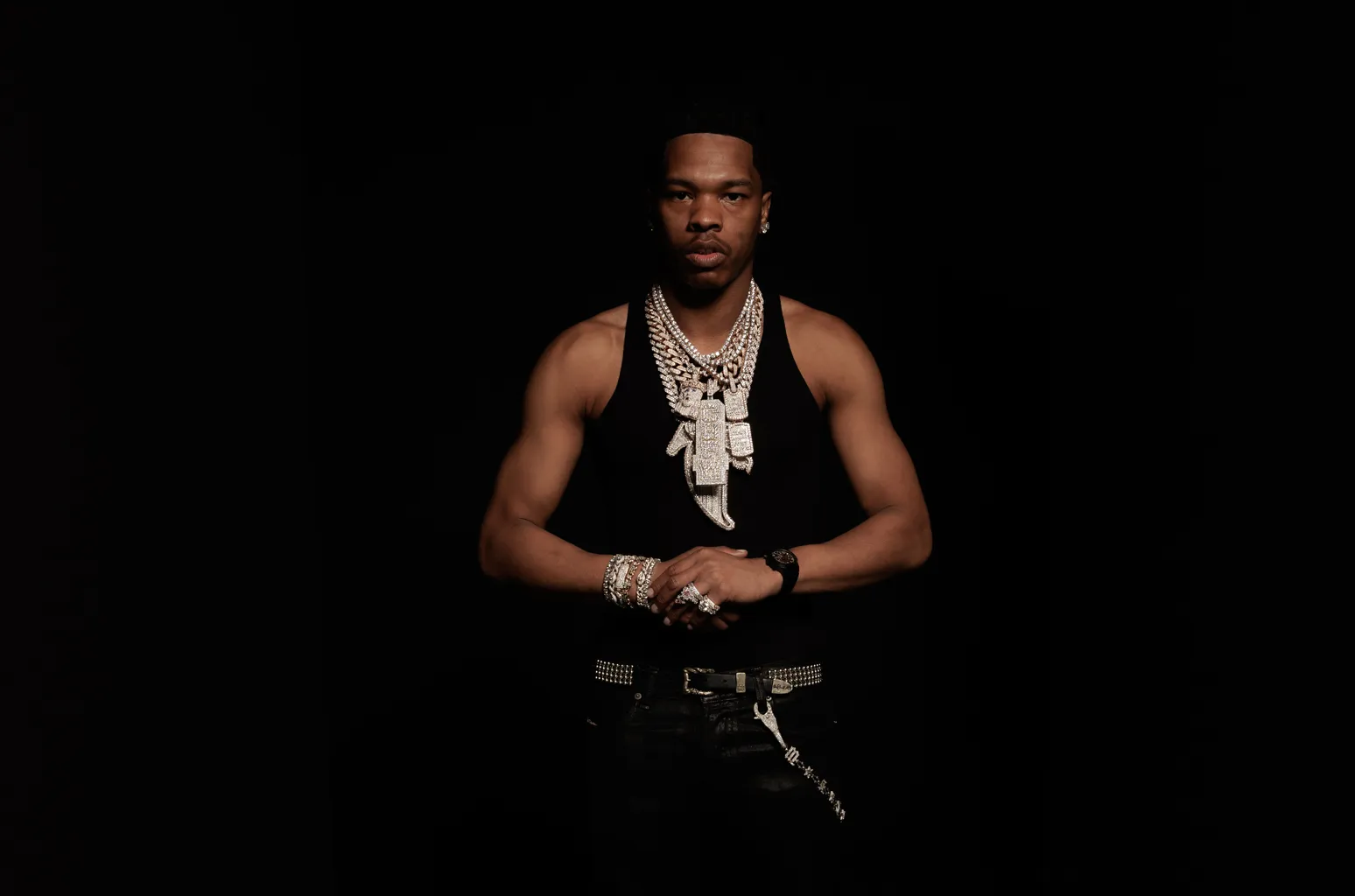
The tragic deaths of 13-year-olds Lamon Freeman and Jakody Davis have ignited controversy after the Atlanta Police Department (APD) suggested that a Lil Baby music video shoot may have played a role in escalating the violence that led to their murders. But is this just another case of authorities looking for a convenient scapegoat, or does the rapper bear some responsibility for the circumstances surrounding these deaths?
The APD’s Claims: Guilt by Association?
According to law enforcement, the deadly shooting that claimed the lives of the two teenagers stemmed from a feud between the “Four Pockets Full” (4PF) and “Only My Family” (OMF) gangs—names that carry weight in Atlanta’s underground world. APD alleges that the beef intensified after Lil Baby filmed a music video in May 2024 in an area claimed by a rival gang. During that shoot, three men were shot and injured, further fueling tensions that allegedly culminated in the fatal July shooting.
The police claim that Lil Baby’s decision to film in this particular location played a role in igniting this violence. But let’s be real—do we honestly believe that a Grammy-nominated artist, whose career is managed by multimillion-dollar entities, is personally selecting locations with the intention of stirring up gang warfare? Or is this just another example of a Black artist being used as a scapegoat for deeper systemic problems?
Lil Baby’s Response: Fighting Back Against “Fake News”
Lil Baby’s legal team wasted no time in shutting down these allegations, calling them “complete and total nonsense.” His attorneys insist that he had no direct involvement in the shooting, nor did he orchestrate the video’s location with any gang affiliations in mind.
And here’s the thing—music videos, especially those featuring high-profile artists, are planned and executed by a full production team. Permits are filed. Security is arranged. These are not spur-of-the-moment street shoots where rappers casually roll up and decide to film in a war zone. The idea that Lil Baby was knowingly inciting violence with his video is not only absurd but also plays into the longstanding narrative that hip-hop artists are inherently tied to criminal activity.
The Bigger Issue: Hip-Hop as the Easy Target
This isn’t the first time a rapper has been blamed for violence in their community. We’ve seen it with drill music in Chicago, where artists like Chief Keef were vilified for rapping about their realities. We’ve seen it with Tupac and Biggie, whose music was blamed for fueling the East Coast vs. West Coast war when, in reality, media sensationalism and industry politics played just as big a role.
The truth is, gang violence in Atlanta—or anywhere, for that matter—didn’t start with a Lil Baby music video. These are systemic issues tied to economic disparity, lack of resources, and over-policing in Black communities. But instead of addressing those root causes, the APD and mainstream media often take the easy route: blaming hip-hop and its biggest stars.
A Dangerous Precedent
If we start holding artists responsible for every act of violence that occurs after their music videos, where does it end? Do we blame Martin Scorsese if someone commits a crime after watching Goodfellas? Do we hold video game developers responsible for real-life shootings? Of course not. So why do we apply this logic to hip-hop?
Lil Baby’s success story is one of resilience—he went from the streets to becoming one of the biggest rappers in the game. Instead of celebrating that, the narrative is being twisted to portray him as a catalyst for gang warfare. It’s a dangerous precedent, one that continues to target rap music unfairly while ignoring the structural failures that breed violence in the first place.
Final Thoughts
Lil Baby is not the villain here. If the APD is serious about tackling gang violence, they should focus on community programs, economic opportunities, and real policing reform—not on making a rapper the fall guy. Hip-hop is not the problem. It’s time we stop treating it like it is.