with Lil Jupi
In this story
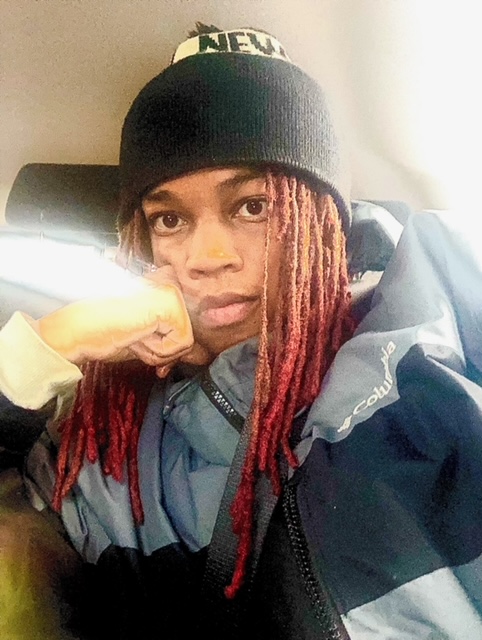
From the basketball court to the recording booth, Lil Jupi’s story is one of transformation, resilience, and raw authenticity. Born in Washington State and raised between Louisiana and Texas, the multi-genre artist has lived a life filled with lessons that continue to shape his music today. In this exclusive interview with Exposed Vocals, Lil Jupi opens up about his journey—from early athletic dreams to a life-changing prison experience, and how he found redemption and purpose through his art.
EV: Can you share more about your journey from playing sports in high school to transitioning into the music scene with your first single, “Yeah B***”?
Lil Jupi: Yes, so I have a brother who was the star running back in high school, and I wanted to play sports too. He was very muscular, and I was small and skinny, so I always had trouble in sports and didn’t get a lot of playing time. I found myself struggling to make the team from 8th grade to 12th grade—that’s how long I went down the sports path, meaning football and basketball. Finally, in the 12th grade, I was cut from the basketball team. That’s when I gave up on sports and started rapping.
EV: How did the experience of releasing your first single on SoundCloud impact your life, especially in terms of gaining popularity in high school?
Lil Jupi: My first single, “Yeah B***,” was a freestyle I released on SoundCloud when I was in 12th grade. Once I dropped it, the students at McKinney Boyd High School found the song and loved it. I got my first girlfriend and gained popularity. I couldn’t walk down the hallway without students wanting a freestyle from me.
EV: Could you elaborate on the events that led to your altercation and subsequent imprisonment at the age of 20?
Lil Jupi: One night I snuck out of the house to smoke a cigarette. When I tried to sneak back in, my stepfather caught me. He told me to go back outside, but I refused, and after going back and forth, he decided to force me out himself. Once he grabbed me, I stabbed him 21 times. I ran out of the house and watched him limp to his car, where my mom rushed him to the hospital. He survived.
EV: How did your time in prison influence your perspective on life, and did it play a role in your decision to return to rapping after being released?
Lil Jupi: While in prison, I got much closer to God and had a lot of time to reflect on the dangerous life I was living. I told myself I would straighten up before it was too late. Seeing people die in front of me really changed me for the better. As for my music, I decided that I would put my all into it. Since leaving prison, I’ve gained over 107,000 views on YouTube.
EV: What challenges did you face during the transition from prison back into the music industry, and how did you overcome them?
Lil Jupi: Once I left prison, I had to start completely over because my phone—with all my social media accounts—had been confiscated.
EV: In the eight years since you’ve been actively pursuing your music career, what have been the most significant lessons you’ve learned?
Lil Jupi: I’ve learned that you can’t make it in this industry without dedication. The song you worked on for days might not get the exposure you thought it would, and when that happens, you just have to keep writing and try again.
EV: Can you talk about any specific influences or inspirations that have shaped your style and approach to music?
Lil Jupi: Coming up in the 2000s, my biggest influence was Lil Wayne. Even to this day, I don’t mumble rap—my lyrics are more bar-for-bar and clever, well thought out.
EV: How do you navigate the evolving music industry, especially with the rise of digital platforms and streaming services?
Lil Jupi: I try to monetize most of my songs, and I’ve done features with Lil Boosie, Conway the Machine, and Avery Storm. I’ve learned to be myself, put a lot of thought behind my lyrics, and trust that most people will understand my bars.
EV: Are there particular themes or messages you aim to convey through your music, considering your personal journey and experiences?
Lil Jupi: My message is that even gangsters—like I was—can straighten up while keeping their swag. I also want people to be creative. Your music should be different; it’s your art, and your art should always reflect who you are.
EV: Looking ahead, what are your goals and aspirations in the music industry, and how do you envision your artistic trajectory in the future?
Lil Jupi: My goal is to be able to travel and perform anywhere, anytime. The money isn’t what’s most important to me—I just want to spread my music and connect with people. A Grammy would be great, but even if that doesn’t happen, I just want to keep making great songs.
Closing Thoughts
Lil Jupi’s story is one of redemption and relentless creativity. From a turbulent past to finding peace and purpose through music, his journey reflects strength, honesty, and artistic evolution. As he continues to blend rock and hip-hop influences, Lil Jupi proves that real growth doesn’t come from avoiding hardship—but from transforming it into art that inspires others.
Signal this interview
Send it up if it hit, down if it missed. The most engaged pieces surface on Signal.
Keep reading
Back to Interviews ↗
From this section
Substance Abuse on DJ Obi’s “Don’t Get Us Wrong” Remix With Tash of Tha Liks
October 23, 2026From this section
Exposed Vocals Interview: RIZZ SA on Ambition, Soweto and the RizzVerse Movement
October 22, 2026
From this section