The Same Story Twice: Lecx Stacy’s ‘The Folkhouse’ and the Weight of Inherited Memory
In this story
The Folkhouse
Some records are about a moment. The Folkhouse is about inheritance — the stories your father told you that you didn’t understand until you were living them yourself.
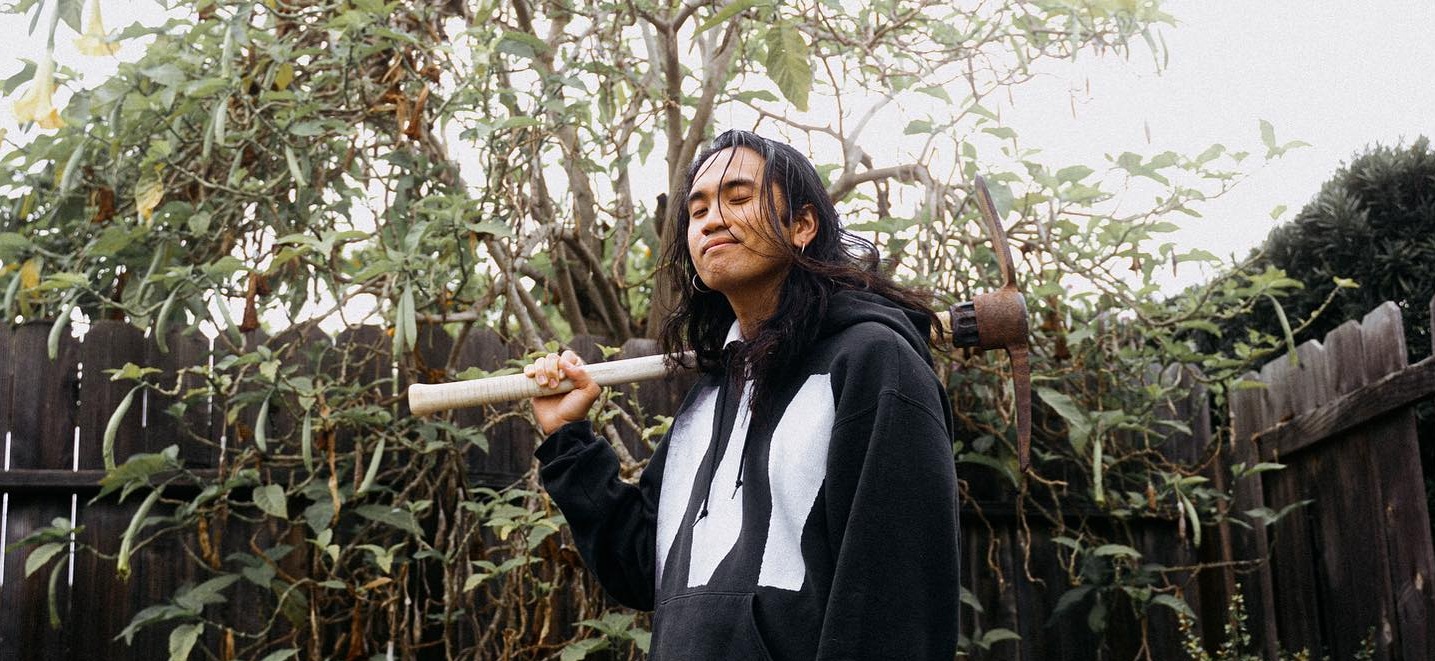
Lecx Stacy is a first-generation Filipino American from San Diego, now based in Los Angeles, and his origin story is one of the more quietly devastating ones you’ll come across. He grew up surrounded by music — karaoke weekends, piano lessons, early beat-making sessions with his older brother. After his brother passed away, the equipment he left behind became a lifeline. By his early teens Stacy was selling beats online. By 18 he had started building something singular: a sound that uses production as a way to process grief, longing, and belief simultaneously.
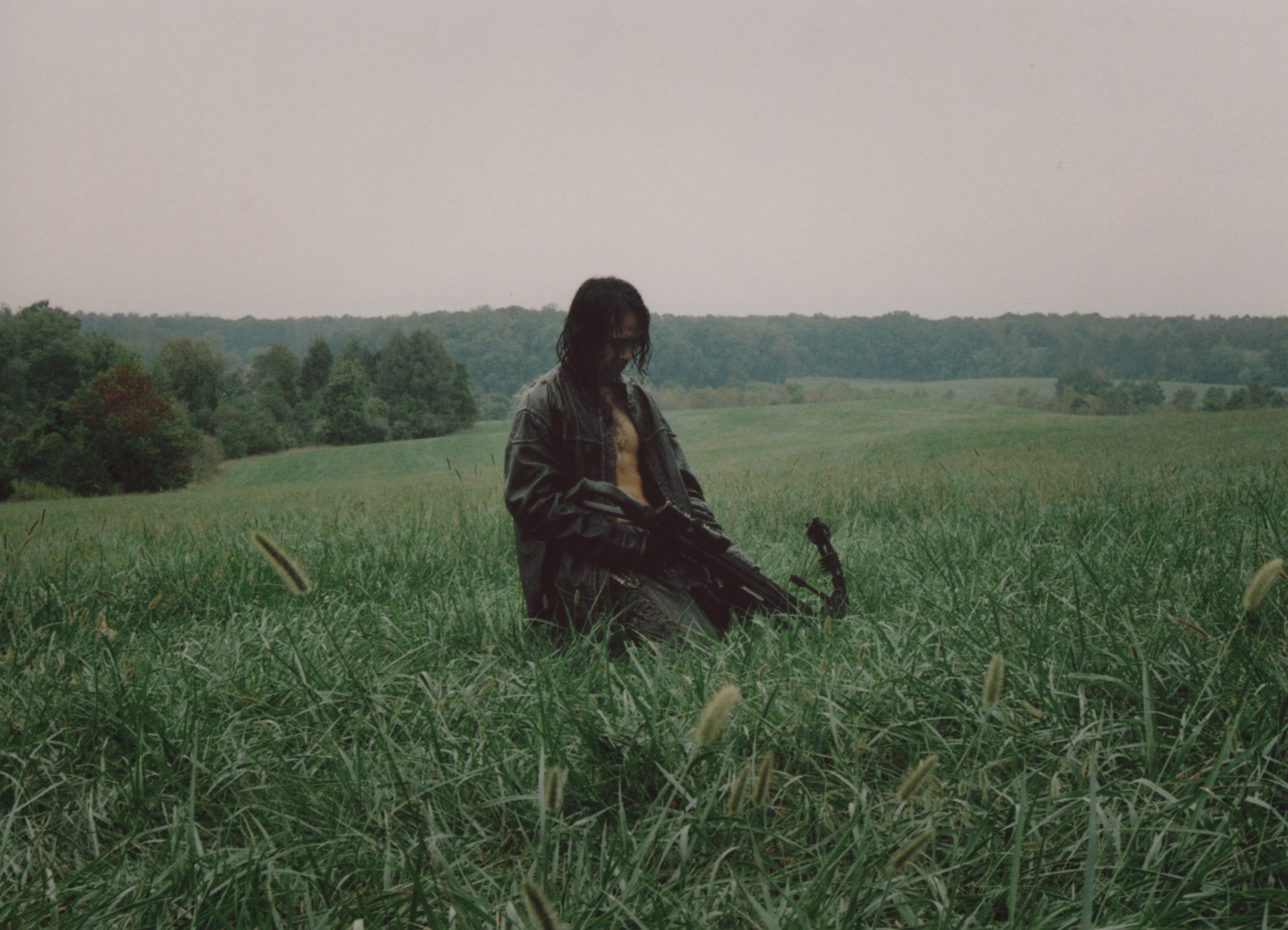
The Folkhouse is where that process reaches its most fully realized form. It is an album about grief, heartbreak, and eventual acceptance — but the frame it uses is unusual and striking. Stacy draws a direct parallel between his own life and his father’s, particularly around the foggy, smoke-filled bar rooms his father described. Those inherited stories began bleeding into Stacy’s present-day reality, and the album lives in that uncanny overlap — the place where someone else’s memory starts to feel indistinguishable from your own.
Sonically The Folkhouse moves between two poles without warning. Earlier singles like “Winter, A Wilted Flower” introduce a quieter, almost still sense of impermanence — fragile and close. Then tracks like “With You, I’d Be Closer to God” and “Safe In Your Hands, I Clasp” shift into urgency and distortion, emotional overload rendered in noise and texture. The contrast is intentional. Grief doesn’t move in one direction. Neither does this album.
The focus track “In a Hail of Bullets, She’s the Gun” sits at the emotional center of the record. It is built around anxious attachment — the pull toward someone who completely consumes you, and the difficulty of releasing that pull even as it comes undone. Stacy describes it as clinging to something powerful and consuming even when you know it might be the very thing undoing you. That tension — knowing and staying anyway — is the emotional core of the whole album.
Repetition, texture, and noise function here not as production choices but as storytelling tools. The blur between distorted memory and lived experience that Stacy describes is something you can actually hear in the arrangements. This is not music that explains itself. It implicates you in it.
“The Folkhouse lives in the blur between distorted memory and lived experience — where inherited memory and present reality start to feel like the same story.” — Lecx Stacy
Stacy has toured with Eartheater, Kennyhoopla, Jean Dawson, and Sega Bodega — a list that tells you something about where his work sits in the wider landscape. These are artists who treat emotional weight as a sonic material, and Stacy belongs in that conversation. His live performances are described as tense, devotional, and unfiltered — which tracks with the music exactly.
The Folkhouse is the kind of record that rewards the kind of listening most music no longer asks for. It is not background. It is not easy. It is an artist processing the heaviest things — loss, longing, inherited pain, the people who consume us — and turning them into something you can sit inside. For the EV audience, that is exactly the kind of work worth paying attention to.
Keep reading
Back to Music News ↗
Also featuring this profile