
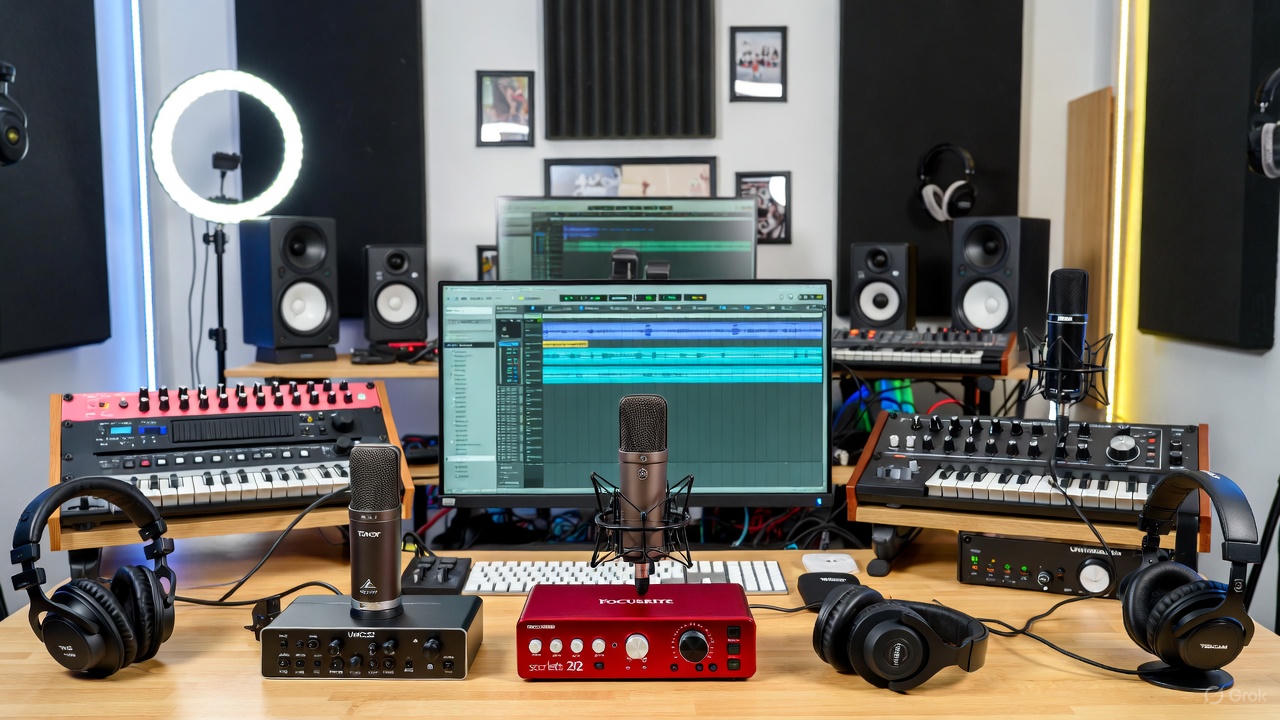
Most unsigned artists in 2025 are flat-out broke—or at least living paycheck to paycheck—because streams still pay pennies and gigs barely cover gas. That’s the reality. Yet every single day, new music has to get made, because waiting for a “perfect” budget is the fastest way to kill momentum and watch your career die before it starts. The beautiful thing is you don’t have to choose between “sound like trash forever” and “go into debt for gear.” There are real, proven paths at every price point: you can start dropping clean, releasable records for $150 today, or you can decide you want that polished radio sheen and work your way up to a $2k setup over the next year. Knowing exactly what you can achieve at each level stops you from wasting money on the wrong things, stops you from giving up because “it’s too expensive,” and—most importantly—lets you match your gear to your current hustle so the music never has to stop. This guide exists so no matter how empty your bank account feels right now, you still have a clear next step.
Five years ago I was exactly where a lot of you are right now—broke, frustrated, recording vocals into a $30 USB mic balanced on a stack of textbooks because I couldn’t afford a stand. Fast-forward to 2025 and I’m mixing records that land on editorial playlists, all from a home studio I built one paycheck at a time. The difference wasn’t talent (plenty of people more talented than me are still stuck). The difference was knowing exactly which pieces of gear actually move the needle and which ones are just influencer flexes. These three setups—Basic, Mid-Tier, and Pro—are the proven path thousands of artists (myself included) have used to stop sounding “bedroom” and start sounding like the radio, no trust fund required.
1. BASIC (Budget Setup – “I Just Need to Record”) 💸
| Gear | What to Get | Price Range | Why It Works |
|---|---|---|---|
| Audio Interface | Behringer UMC22 | ~$50 | Solid sound quality, simple interface. |
| Microphone | Tonor TC-777 / Neewer NW-700 (w/ bundle) | $30–$50 | Includes mic, stand, and shock mount. Entry-level but usable. |
| Headphones | Tascam TH-02 | ~$30 | Affordable monitoring, better than consumer headphones. |
| DAW (Software) | Cakewalk by BandLab / Audacity | Free | Full production power without cost. |
| MIDI Controller | Skip or use software keys | $0 | Not essential at this level. Use piano roll. |
| Mic Stand + XLR Cable | Amazon Basics Adjustable Boom Arm Stand + XLR Cable (2-Pack) | $0–$20 | Basic, but it works (often included in mic bundles above). |
| Computer | Any decent laptop (i5/8GB RAM min) | Existing | You don’t need top-tier gear—just stable. |
Perfect for the artist starting from scratch, with limited funds, but still serious about making quality music.
Total Cost: ~$150–$200 🔑 This setup will get you recording clean vocals at home without killing your wallet.
2. MID-TIER (Smart Spending – “I’m Taking This Serious”) 💼
You’ve been recording, you want better sound, and you’re starting to release music seriously.
| Gear | What to Get | Price Range | Why It Works |
|---|---|---|---|
| Audio Interface | Focusrite Scarlett 2i2 3rd Gen | ~$130 | Industry standard for indie setups. |
| Microphone | Audio-Technica AT2020 or Rode NT1-A | $100–$200 | Crystal-clear vocal capture. |
| Headphones | Audio-Technica ATH-M40x / M50x | ~$80–$120 | Flat response, great for mixing. |
| DAW (Software) | FL Studio Fruity / Studio One Artist / Logic Pro (Mac) | $99–$199 | Full production freedom. |
| MIDI Controller | Akai MPK Mini | ~$100 | Play and control your VSTs easily. |
| Studio Monitors | Presonus Eris 3.5 / KRK Rokit 5 (used) | $100–$200 | Much better sound reference. |
| Acoustic Foam Panels | Auralex Starter Kit / Amazon Basics | ~$60 | Reduces echo, helps mix accuracy. |
Total Cost: ~$500–$800 🛠️ This is the “serious bedroom studio” tier — perfect for singles, EPs, collabs, and building a sound.
3. PRO-TIER (Premium Setup – “I’m Building a Career”) 🚀
For artists treating their space as a full creative studio. Higher investment, but long-term use.
| Gear | What to Get | Price Range | Why It Works |
|---|---|---|---|
| Audio Interface | Universal Audio Volt 276 or Apollo Solo | $250–$700 | Studio-grade sound and onboard effects. |
| Microphone | Shure SM7B or Neumann TLM 102 | $400–$750 | Industry vocal clarity. Used by top-tier artists. |
| Headphones | Beyerdynamic DT 770 Pro | ~$150 | Widely trusted for detailed audio reference. |
| Studio Monitors | Yamaha HS5/HS7 or KRK Rokit 7 | $300–$600 | Flat and honest monitoring. |
| DAW | Ableton Live Suite / Logic Pro / Pro Tools | $199–$599 | Full-scale professional production suite. |
| MIDI Controller | Native Instruments Komplete Kontrol / Arturia KeyLab | $150–$300 | Enhanced control, premium feel. |
| Acoustic Treatment | Auralex Bass Traps (4-Pack) + panels | $200–$500 | Proper mixing and recording environment. |
| External Hard Drive | Samsung T7 SSD / WD My Passport | $100–$200 | Keeps your sessions safe and fast. |
Total Cost: ~$1,500–$3,000 🔥 This is for the artist building a home studio that competes with local pro studios — long-term investment in your craft.
👀 Final Thoughts:
- Start where you are. Even the budget setup can produce radio-ready tracks with the right mixing and vocal performance.
- Upgrade gradually. As your skills and needs grow, reinvest into better gear.
- Environment matters. No matter the tier, treat your room right and learn your gear well.
Here’s my actual 2025 setup (the one I’m sitting in front of right now while mixing client vocals and my own releases): Universal Audio Apollo Twin X → Neumann TLM 103 (with a little wear on the basket because I refuse to baby it) → Beyerdynamic DT 1990 Pro headphones + Yamaha HS8S subbed pair of HS8s treated with GIK Acoustics panels and bass traps I finally stopped being cheap about. Everything runs into a loaded 16-inch M2 Max MacBook Pro on Ableton Live Suite, with all projects auto-backed to a 4TB Samsung T9. Keys are the Native Instruments S61 MK3 because the keybed and integration still smoke everything else I’ve touched. Total sunk cost is north of $6k at this point, but I built it piece by piece over four years from the exact $150 beginner rig I listed above. Proof you don’t need the big setup on day one, just a plan and patience.