
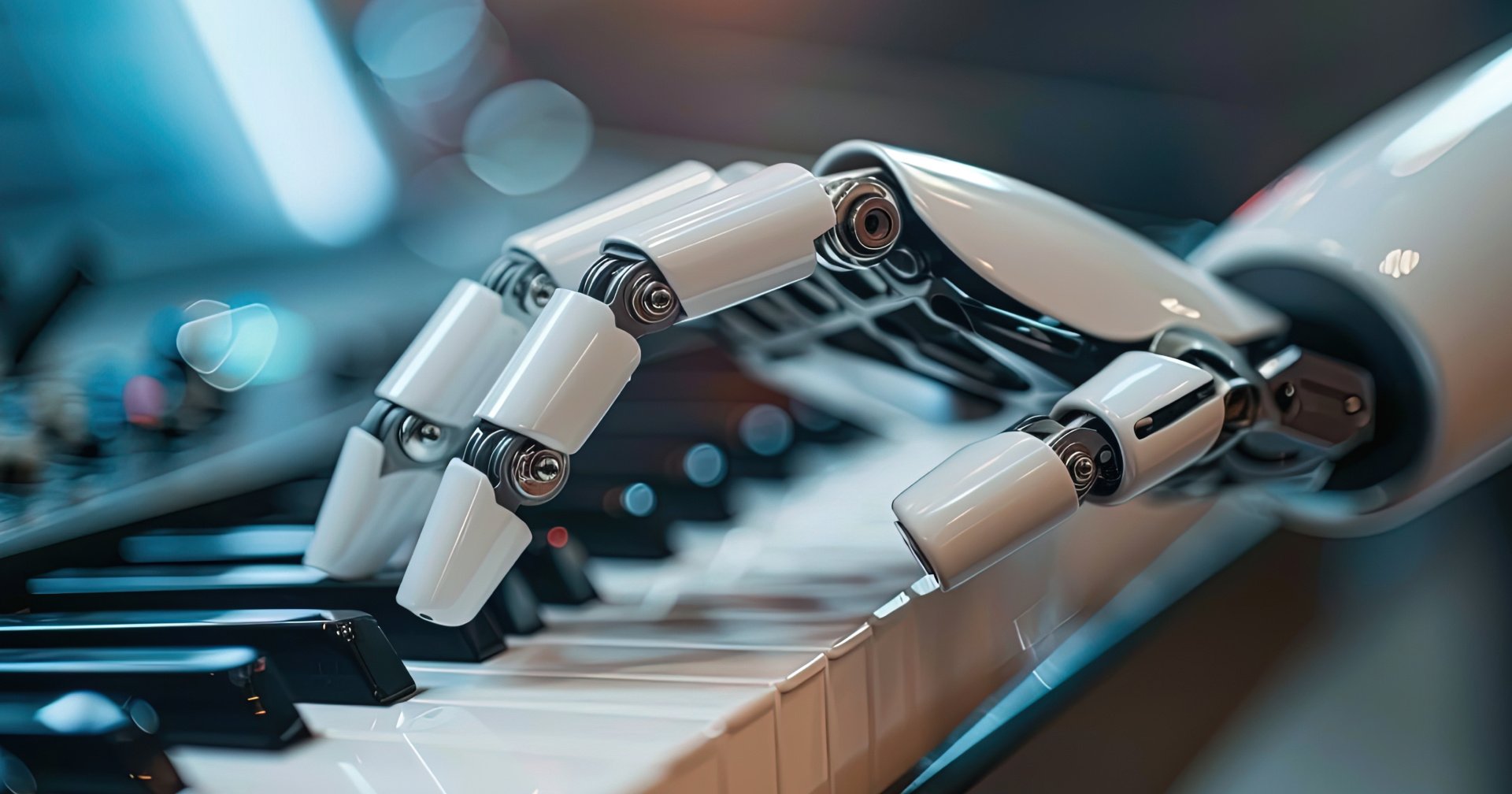
Artificial intelligence has moved far beyond science fiction—it’s now sitting in the producer’s chair, helping write lyrics, analyze trends, and even decide which song gets pushed to your playlist next. Whether you’re an independent artist, a label exec, or a fan scrolling Spotify, you’ve probably already felt its influence without realizing it.
The idea that a machine could help make music once sounded like a gimmick. Now it’s simply part of how the industry works. AI tools can generate chord progressions, mix and master entire tracks, or even mimic a singer’s voice with unsettling accuracy. For some, it’s terrifying. For others, it’s the next big leap forward in creativity.
What’s most interesting, though, is that AI isn’t replacing musicians—it’s collaborating with them. Artists are using these systems to spark ideas, overcome creative blocks, or expand sounds in directions they might never have imagined. The best producers know that the secret isn’t letting AI write the song—it’s using it to discover something new inside your own process.
On the business side, algorithms are already running the show. Recommendation systems on Spotify, Apple Music, and YouTube analyze billions of plays to decide what ends up in your Discover Weekly. In a sense, AI has become the new A&R rep, curating what we hear and who gets heard. Success in music has always depended on timing and talent—but now, data literacy is part of the mix too.
There’s a more complicated side to all this, of course. Questions around authorship, copyright, and ownership are becoming harder to answer. If an AI is trained on thousands of songs to generate a “new” one, where does originality begin? If an artist’s voice is cloned without permission, is it theft or flattery? We’re in uncharted territory, and the legal system hasn’t quite caught up.
Still, the creative economy has never been static. From analog to digital, from record stores to streaming, music has always adapted—and AI is just the latest evolution. It’s changing how songs are made, how they’re distributed, and even how they’re experienced. Some artists are resisting it, others are embracing it, but none can ignore it.
The future might look something like this: live shows powered by interactive visuals that respond to audience emotions, albums that shift based on your mood, or collaborations where the “co-writer” is a line of code. However it unfolds, one thing feels certain—music will keep finding new ways to stay human, even when the machines are helping write the melody.