
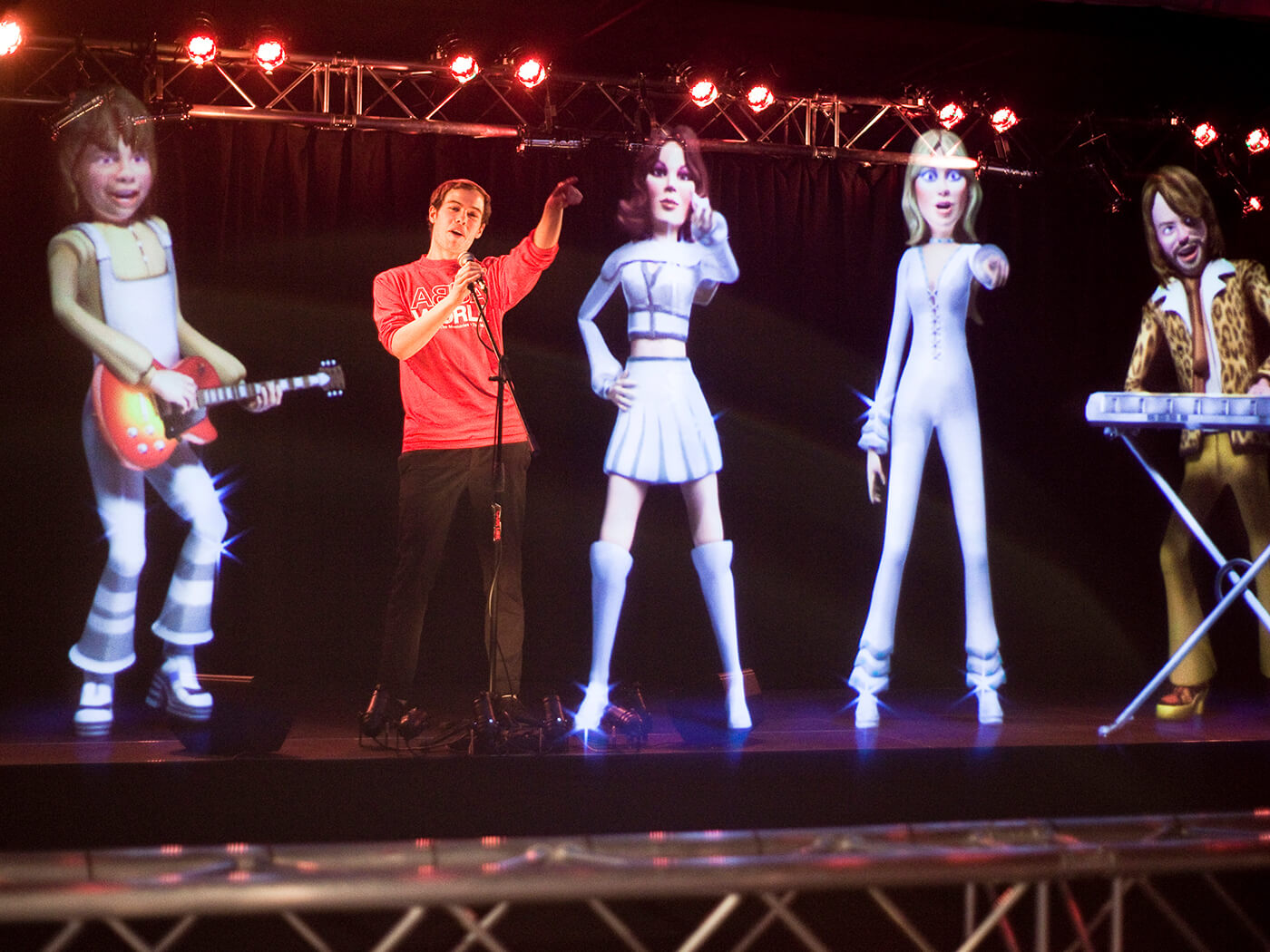
You used to need a spaceship—or at least a sci-fi movie—to see a holographic performance. Now? All you need is 5G. Thanks to next-gen wireless tech, holographic concerts are becoming a very real part of the music world, and it’s going to change how artists tour, perform, and connect with fans forever.
So what’s the big deal? It’s not just about projecting a 3D image on stage. The real game-changer here is real-time interaction. With 5G’s ultra-low latency and high bandwidth, artists can perform live from a studio (or anywhere), while their lifelike holograms appear on stage halfway across the world—moving, singing, even responding to the crowd like they’re physically there.
That’s not a pre-recorded show. That’s live energy, beamed globally.
For artists, it opens a million doors: tour multiple cities at once, perform in places you’ve never been, or collaborate with other artists without flying halfway around the planet. Imagine a holographic duet with a band in Tokyo while you’re in Brooklyn. Or playing a sold-out show in Paris without leaving your bedroom studio.
Fans, on the other hand, get a wild new experience: seeing their favorite artists as dynamic, high-res holograms, projected into intimate venues or massive stadiums with visuals that feel like magic—but powered by math. The production value is next-level. It’s immersive, interactive, and way more exciting than a Zoom livestream with pixelated sound.
Is it a replacement for in-the-flesh shows? No—and it shouldn’t be. But for artists trying to grow their reach without burning out on tour life, or for fans in cities often skipped by major tours, 5G-powered holographic concerts are a dream come true.
This tech is still in its early stages, but it’s coming fast. Companies are already running pilots, and major festivals are testing hybrid experiences. Once it hits mainstream adoption, expect touring to look a whole lot different—and a whole lot cooler.