
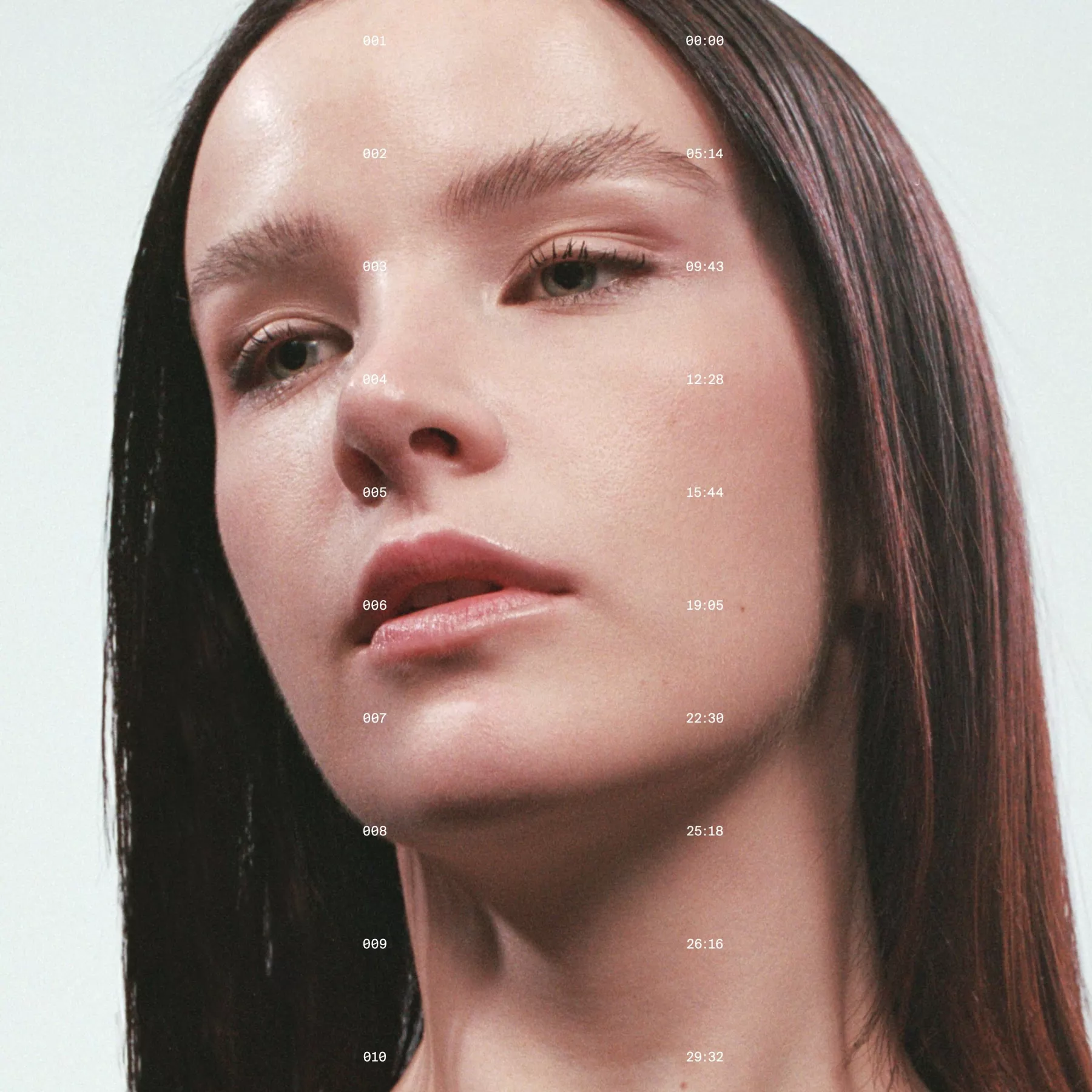
In an era where music is increasingly created with nothing more than a laptop and a DAW, Colombian artist Ela Minus stands as a rebellious force. She insists on the tactile, the physical, the imperfect. While many producers surrender to the infinite possibilities of digital production, Minus chooses analog synthesizers—bulky, temperamental, and deeply human. Her latest album, DÍA, embodies this philosophy, layering rich, organic sounds with pulsating beats that demand both movement and introspection.
Ela Minus—born Gabriela Jimeno Caldas—hasn’t just resisted the pressures of the digital tide; she’s defied the gendered expectations of the industry as well. In a recent interview, she recalled male engineers questioning her commitment to hardware synths, urging her to abandon them for the ease of a laptop. Her response? A simple yet radical Why?
This challenge strikes at the heart of a broader discussion in modern music: the increasing dominance of convenience over artistry. Digital tools have undeniably democratized music production, allowing anyone with a computer to create full-fledged tracks. But what is lost when music is reduced to mouse clicks and endless presets? What happens when artists no longer engage with the physicality of sound—when there’s no need to touch an instrument, twist a knob, or feel the resistance of a key beneath their fingers?
Minus’ decision to stay analog is not about being a purist or resisting technology for the sake of nostalgia. It’s about presence. It’s about the sweat, the unpredictability, the raw interaction between human and machine that can never be replicated by a screen. The imperfections of analog synths—their detuning, their quirks, their resistance to perfect automation—mirror the imperfections of human emotion, making the music feel alive in ways digital sound often fails to achieve.
Her insistence on hands-on production echoes the ethos of punk, the genre she first embraced as a drummer in Bogotá. It’s a philosophy that values doing things the hard way because the hard way is often the most authentic. It’s the belief that struggle, in art as in life, yields something more meaningful than what comes easily. This approach permeates DÍA, where the beats hit with the weight of joy and sorrow intertwined—a concept Minus herself describes as dancing and crying.
But her defiance doesn’t stop at production choices. Her music also challenges the emotional shallowness of modern electronic music, which too often sacrifices depth for pure escapism. Minus’ lyrics, introspective and melancholy, wrestle with vulnerability, self-doubt, and the relentless desire to be better. Tracks like “I Want to Be Better” embody this tension—pulsating with energy yet aching with sincerity.
Perhaps this is why her work resonates so deeply. In a time where so much music is polished to digital perfection, Minus reminds us that imperfection is beautiful. She reminds us that struggle is necessary. And most importantly, she reminds us that music, at its core, is about human connection—not just between artist and audience, but between the artist and the instruments themselves.
As Ela Minus embarks on her latest tour, she brings more than just her music to the stage—she brings resistance. A refusal to conform. A commitment to craft. And a sound that, in all its analog imperfection, feels more alive than anything a laptop alone could ever create.