Resurrecting Realness: The Rise, Fall, and Revival of Hip Hop
Behind the Mask: The Joker OTV Story of Talent, Trauma & Drill
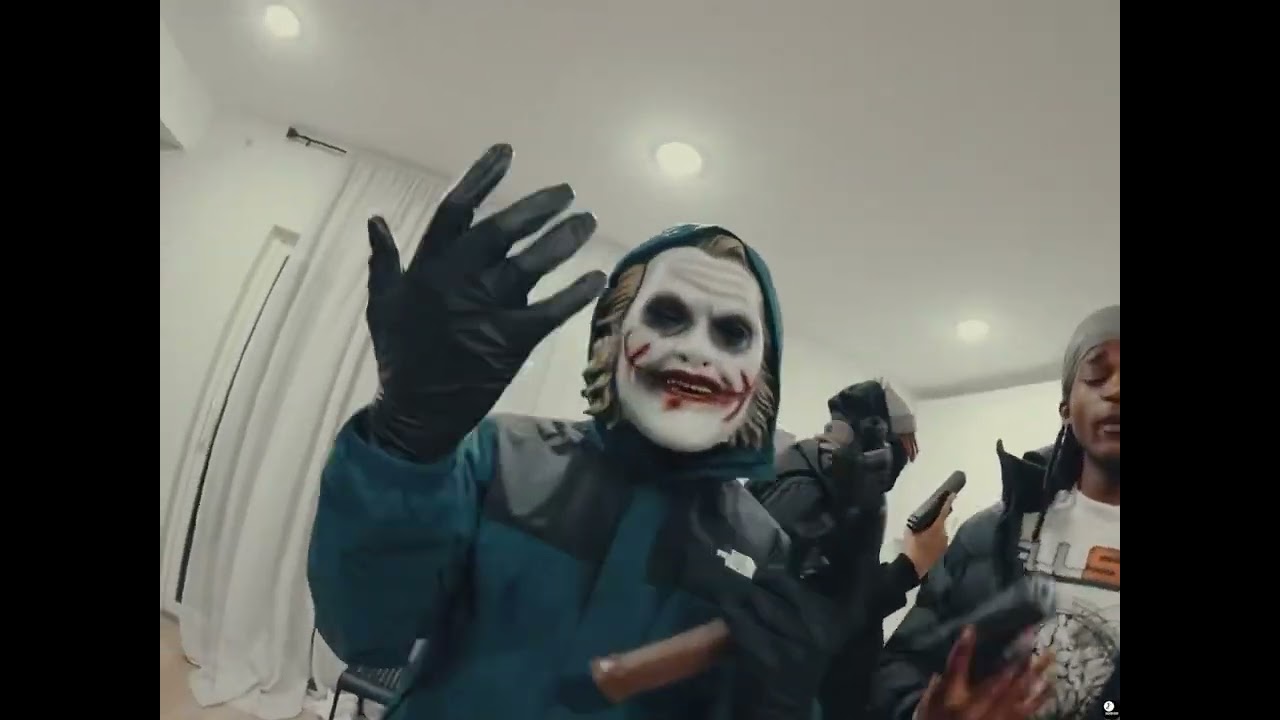
In a music landscape where every verse carries a past, and every beat feels like survival, few stories hit harder than that of Joker OTV. Known offstage as Noah Scurry, Joker OTV was a rising star in Philadelphia’s drill scene, whose life and death reflect both the promise and peril of growing up in a system stacked against you. His music, masked persona, and ultimate tragedy offer a lens into the complicated worlds young artists navigate when their art imitates life—too closely.
Before the Spotlight: Noah Scurry’s Early Life
Noah Scurry wasn’t always a rapper. By all accounts, he was a standout student and athlete. Friends and former classmates have noted his academic prowess, with some claiming he had one of the highest SAT scores in his school. Basketball was his first love; he had the discipline, the focus, and the drive to go far. But somewhere along the way, the streets offered a different kind of future—faster, louder, and more dangerous.
In a Reddit thread chronicling his life, one commenter summed it up grimly: “This kid had the highest SAT score in his graduating class and still chose the streets.” Whether by choice or circumstance, Noah stepped away from hoops and into headphones, trading playbooks for Pro Tools.
The Birth of Joker OTV
It wasn’t just about rapping. Joker OTV was a character, a mask, a symbol. The name and image conjured something deeper—part defense mechanism, part creative expression. In a genre like drill, where authenticity is currency and bravado is survival, Joker OTV became a conduit for Noah’s real-life experiences and emotional pain.
On tracks like “GENS” and “Swing My Door” (featuring Drench SZN), Joker showcased raw lyrical ability and a knack for hooks. His voice carried both menace and melancholy, layered over bass-heavy beats that echoed the chaos of his environment. He wasn’t just rapping about violence; he was documenting the mental and physical toll it took to grow up amid it.
From Local Buzz to Viral Whispers
While his name wasn’t yet in national headlines, Joker OTV was making noise in the underground. His music spread across SoundCloud and YouTube, shared among young fans who saw reflections of their own lives in his verses. He was becoming a cult figure—a masked storyteller narrating the trauma of youth in real-time.
The buzz peaked with his final EP, “The Last Laugh,” released just weeks before his death. Tracks like “Heart Cold” and “No Love Left” weren’t just bangers; they were heartbreak anthems. Listening now, they feel eerily prophetic.
Conflicted Realities: Persona vs. Person
Behind the music was a kid still figuring things out. Noah was reportedly coping with the deaths of several friends, increasing street pressure, and the burden of representing something larger than himself. The streets took their toll.
There are unconfirmed but widely circulated reports linking him to high-profile violence, including a connection to the killing of YNG Cheese, the son of rapper Gillie Da Kid. While the truth remains murky, what is clear is that Noah was deep in a world where survival meant making impossible choices daily.
The End of the Story, Too Soon
In early 2025, Noah Scurry was killed in a shooting. The details are sparse, but the reaction was immediate. Fans flooded comment sections with tributes. Peers in the local rap community paid respects. His Spotify and SoundCloud plays surged. People were listening—some for the first time, others trying to decode meaning from his final verses.
“The Last Laugh” now stands as both a goodbye and a warning. In hindsight, the title itself feels like a tragic punchline.
What Joker OTV Leaves Behind
More than just music, Joker OTV leaves behind a story that deserves reflection:
- A wasted promise — a young man who had the talent to transcend his environment but was consumed by it instead.
- An artistic voice — raw, unfiltered, and increasingly rare in a hyper-polished industry.
- A conversation starter — about the systems that fail our youth, the pressures of performative masculinity, and the blurred line between art and authenticity.
His death wasn’t just a statistic. It was a silencing. One more voice gone in a genre where too many eulogies are written too soon.
Final Thoughts: The Joker Without a Punchline
Joker OTV’s story isn’t just about drill music. It’s about how talent, trauma, and circumstance intersect in the lives of young Black artists. It’s about the masks we wear to survive. And it’s about what happens when those masks become too heavy to hold.
Philadelphia lost more than a rapper. It lost a voice. And in doing so, we’re left to wonder: who else are we about to lose next?
Rest in Power, Joker OTV.
Keep reading
Back to Music News ↗
From this section
FLEUR ROUGE Turns “Pretty Privilege” Into a Satire of Staying Young
October 26, 2026
From this section
Manu Grace Turns Misadventure Into Agency on “Oh Man, I’ve Done It Again?”
October 23, 2026
From this section