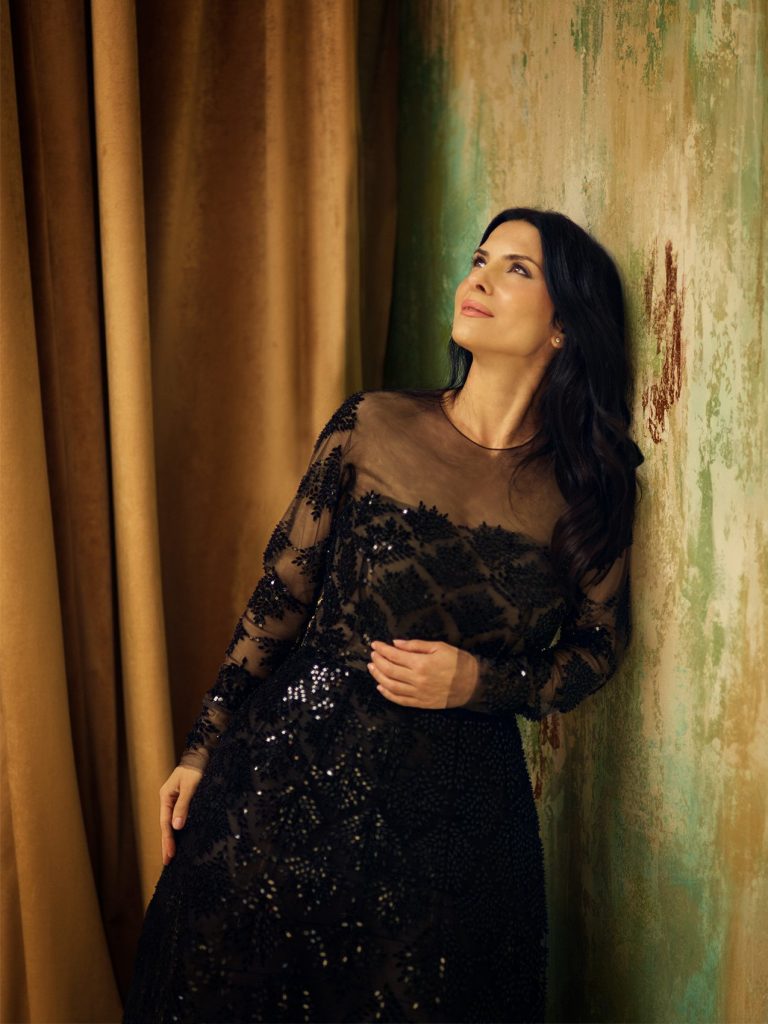
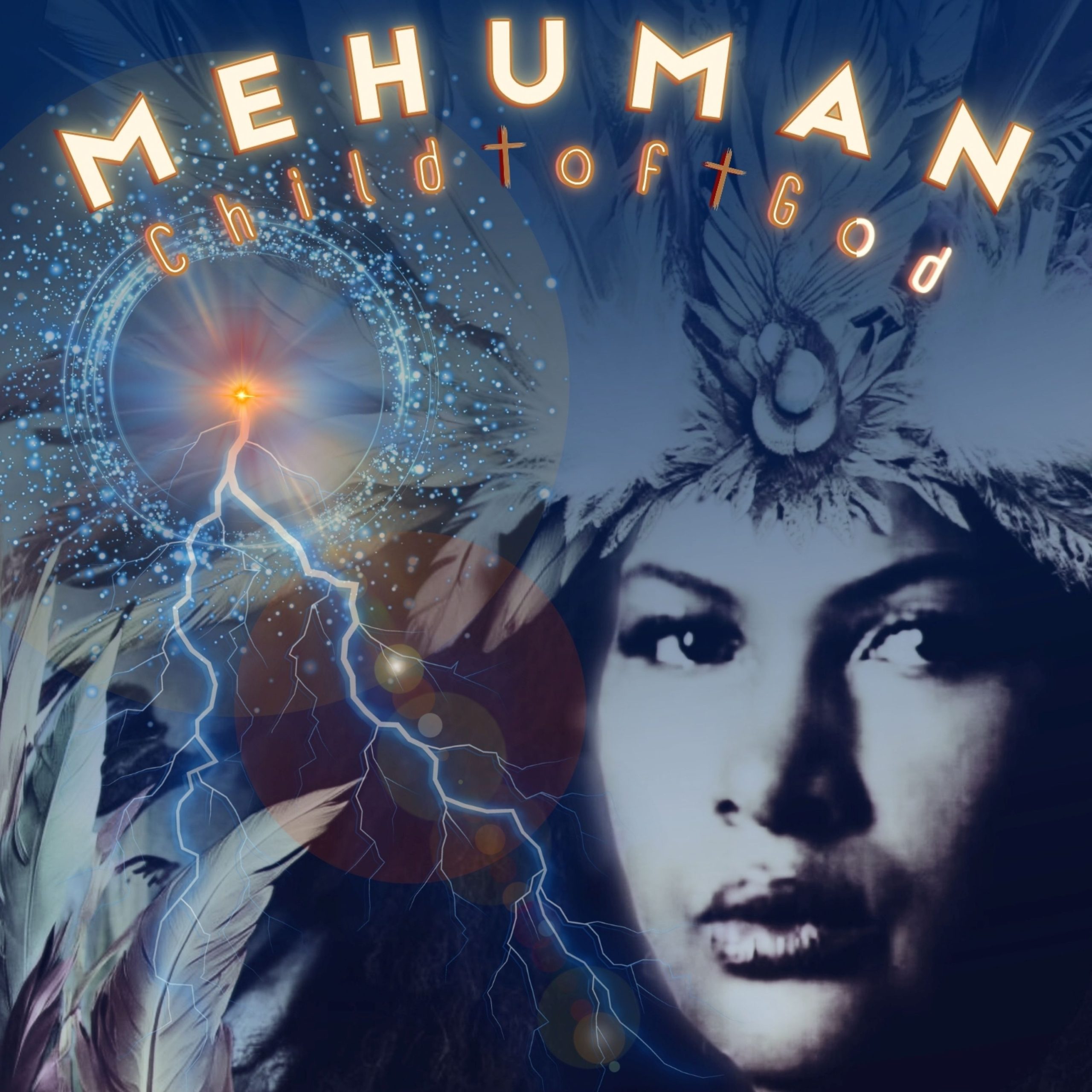
Through a career shaped by soul-bearing honesty and genre-blending innovation, Mehuman has remained steadfast in her purpose: to make music that heals, challenges, and uplifts. Her latest release, “Child of God,” is a poignant expression of grief, spiritual struggle, and hope. With roots in gospel, blues, country, and her self-described Affrilachian heritage, Mehuman’s sound is as rich and complex as the emotions she channels into her work.
In this deeply moving interview with Exposed Vocals, Mehuman opens up about the tragic inspiration behind Child of God, the lessons grief has taught her, and the emotional and creative journey that led to her forthcoming album Ladybird. What follows is not just an artist’s insight into music but a spiritual testimony wrapped in poetry and purpose.
Exposed Vocals: “Child of God” is such a personal and profound piece. Can you talk about the moment or experience that led to writing it?
Mehuman: My 9-year-old nephew Georgie was killed in a car accident due to an impaired driver hitting and injuring his family. It happened amidst a long inquiry about how such awful things happen under the sovereignty of God. I was struggling with my own personal crisis of faith and questioning how such unthinkable tragedies could have transformative purpose.
Exposed Vocals: You describe grief as a “brutal form of education.” How has your relationship with music evolved through that process of grief and healing?
Mehuman: In many ways, my transformation has been a form of “remembering” what music can do. I live with CPTSD from early childhood and lifelong traumas, in which music has enabled me to process deep injuries and losses. It has also given me a safe space to be truthful and authentic in a way that hasn’t injured others. I can tell my story in music, poetically, without naming names. Yet as I progress in my own healing and agency, I am looking to music to also facilitate more transparency in calling out personal to global atrocities.
Exposed Vocals: The track blends gospel, blues, country, and your “Affrilachian Roots” sound. What role do genre and heritage play in how you express emotion musically?
Mehuman: Genre and heritage are like fresh homegrown produce and handcrafted spices to my work. I have always relied on the knowledge and intention of ancestors and creative thought-leaders to guide my practice as an artist. It has helped me access my own expression of those disciplines and continues to inform my creative agency… and they just feel good in my blood and bones to work from those traditions.
Exposed Vocals: What can you share about the upcoming album Ladybird?
Mehuman: Ladybird is a collection of love songs, meant to soothe and comfort, as well as acknowledge many of the amazing people I have loved and been loved by. It is missing only one track—“Wade In The Water”—for my wonderful and beloved Dad who passed years ago. It will be coming out soon as a separately released single with a video.
Exposed Vocals: How does “Child of God” fit within its emotional and thematic landscape?
Mehuman: Child of God is an anchor song, and the most emotive expression of my conflicted faith and grief on Ladybird. I still have questions, and I still believe that there is purpose in pain, if only to make us more empathetic and compassionate. I also feel that it is the most rooted track in the blend of traditional genres that compel me to write and perform live music.
Exposed Vocals: You’ve shared stages with some incredibly powerful voices. How have those experiences influenced your artistry and message?
Mehuman: Creatively, I have always positioned myself in the role of student, even when I’ve facilitated songwriting seminars for others. That has allowed me to be continually influenced by each artist I’ve had the honor to engage—whether emerging or well established. Each artist is unique and wealthy of approaches and ideas, which inspires me to try new things. I try to listen and learn from everything—whether it’s sharing a stage or a meal. There’s always an opportunity.
Exposed Vocals: There’s a strong spiritual undercurrent in your lyrics. How do faith and doubt coexist in your songwriting?
Mehuman: Just as they coexist in my life. Every day I wake up with the choice to choose life or death, love or hate, forgiveness or vengeance. Some days I’m proud of my choices. Other days, I regret them. I’m human—flawed and curious. Blind faith has always been difficult for me. But through countless experiences of tangible grace, I’ve come to believe in a transformative kind of love, the kind that can forgive, seek justice, and strive for peace.
The conflict between faith and doubt has created a spiritual standard for how I respond socially and personally. While politics and agendas try to hijack Jesus’ teachings, I cling to the core message: love—even your enemies. It’s not easy. I’ve lived under systems designed to disenfranchise me as a woman and a person of color. But the work of responding with wisdom and love—that’s the real work. It’s hard, and it’s my muse.
Exposed Vocals: Your name, Mehuman, means “Faithful One.” How does that identity guide your purpose as a creator and performer?
Mehuman: Sometimes a name is an inspiration; sometimes it’s a burden. I know better, so I have to do better. I try to live up to it, but I can’t do it alone. I lean on a small circle of trusted friends and family who love me enough to be honest. “Only God knows the heart,” and “Own only the debt of love” are two mantras I live by. I’ve even considered changing my name, but nothing else has felt authentic enough. So I keep trying to live up to it—fail, try again, and remain faithful.
Exposed Vocals: Is there a particular lyric in “Child of God” that hits the hardest for you personally?
Mehuman: “When I hear a Mother/Father cry…” and the outro, “When I meet my Mother / When I see my Father…” Those lyrics stir a deep, aching grief in me. I miss them—my father, my brother Tim. Writing Child of God helped me express doubt during a time of crisis while acknowledging my frail human submission to a painful season and the unknowable future.
Exposed Vocals: What has the response been like from listeners who’ve connected with this song so far?
Mehuman: The response has been incredibly moving. I’m honored when my music resonates with others, but I also feel compassion for those who relate. Life is hard. We’re surrounded by wars and suffering, and hope feels out of reach. I just hope my music brings some comfort and space for healing and peace.
Exposed Vocals: Finally, what’s next after Ladybird—and what do you hope listeners carry with them after hearing this music?
Mehuman: Next is more music and poetry. I’m working on old-school videos, some mixed media art, and a book. I hope listeners engage with me—I want to hear their stories. I also hope to collaborate with more artists. The world needs creative community now more than ever. Personally, I’m also working through anxiety around “running out of time.” I just want to leave something that money can’t buy and hate can’t conquer—evidence of a genuine love.
Final Thoughts
Child of God is not just a song—it’s a soul-etched confession, a lament, and a light. Mehuman’s voice is one of spiritual honesty and human resilience, unafraid to confront grief, injustice, and complexity. With her upcoming album Ladybird, she invites us all into a space of reflection, remembrance, and healing. In a world in desperate need of empathy, Mehuman’s art reminds us what it means to be fully, faithfully human.