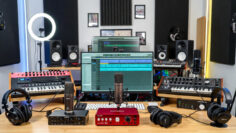

In a world where technology reigns supreme, the music industry has undergone a seismic shift. Growth in digital tools and accessible software now empowers aspiring artists to compose, produce, and share their music with the world—all from the comfort of their own laptops. Gone are the days of expensive studio time and endless equipment set-ups; today, all you need is a computer, some software, and a sprinkle of creativity to cook up a killer tune.
Whether you’re a seasoned pro or a budding musician just finding your sound, the rise of digital production has democratized music-making like never before. With a plethora of programs available, from industry staples like Ableton Live and Pro Tools to more user-friendly options such as GarageBand and FL Studio, the possibilities are endless. Sample libraries, virtual instruments, and effects plugins are at your fingertips, allowing you to experiment, innovate, and craft a sonic masterpiece from scratch.
One major advantage of computer-based music production is the sheer convenience it offers. No need for expensive gear or specialized studios—just fire up your laptop, plug in your headphones, and let your creative juices flow. This accessibility has opened doors for musicians from all walks of life, breaking down barriers to entry and leveling the playing field. The bedroom producer now has the same tools at their disposal as the chart-topping hitmaker, enabling a new wave of DIY artists to shine.
But it’s not just about the tools; it’s about the freedom and flexibility that digital production affords. Want to work on your latest track at 3 AM in your pajamas? Go for it. Need to collaborate with a vocalist halfway across the world? No problem. The ability to work anytime, anywhere, and with anyone has revolutionized the way music is created, fostering a global community of artists connected by a shared love of sound.
Of course, with great power comes great responsibility, and the digital landscape is not without its challenges. The sheer volume of options can be overwhelming, leading some musicians down a rabbit hole of endless tweaking and perfectionism. It’s easy to get lost in a sea of presets and settings, losing sight of the music itself in pursuit of technical perfection. But as with any tool, it’s important to remember that the software is there to serve your vision, not the other way around. Trust your instincts, follow your muse, and let the music guide you.
In addition to the creative benefits, computer-based music production offers tangible advantages in terms of cost and efficiency. Gone are the days of exorbitant studio rates and pricey equipment; with a modest investment in software and hardware, you can set up a fully functional studio in your own home. This democratization of technology has empowered artists to take control of their own careers, bypassing traditional gatekeepers and forging direct connections with fans through online platforms and streaming services.
But perhaps the most exciting aspect of digital production is its potential for innovation and experimentation. With access to a vast array of sounds, textures, and effects, artists are no longer limited by the constraints of physical instruments or recording techniques. The boundaries of genre and style are blurred as musicians push the boundaries of what is possible, creating music that defies categorization and challenges listeners to rethink their perceptions of sound.
In conclusion, the rise of computer-based music production represents a paradigm shift in the way music is created, shared, and experienced. As technology continues to evolve and new tools emerge, the possibilities for artistic expression are endless. So whether you’re a seasoned veteran or a fresh-faced newcomer, don’t be afraid to dive into the digital realm and see where your creativity takes you. After all, the next groundbreaking track could be just a few clicks away.