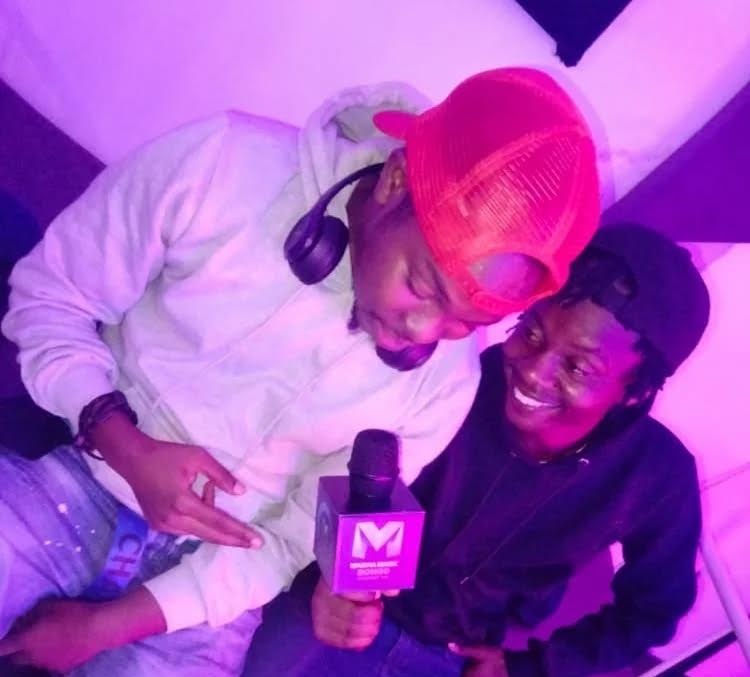
In the heart of Tanzania’s hip-hop scene, Bassat Waboe has been grinding since 2004, carving out his space as an independent artist with raw lyricism and a deep passion for storytelling. From humble beginnings in Standard 3 to collaborating with legends like Joslin, his journey has been marked by resilience, creativity, and a determination to break barriers. As he prepares to drop his upcoming EP, Bassat Waboe opens up about his experiences in the industry, the struggles of being an independent artist, and his aspirations to take his music beyond Tanzania’s borders. In this exclusive interview, he shares insights into his creative process, upcoming projects, and the challenges of making it in the music world without major support.
Exposed Vocals: You’ve been rapping since 2004, starting as early as Standard 3. What first inspired you to pick up the mic, and how has your passion for music evolved over the years?
Bassat Waboe: I found myself loving BONGO FLEVA music from Tanzania, so I was listening and illapsing to so many songs, until when I felt like I could write my own song.
Exposed Vocals: Your debut song, KAZI, featured the legendary Joslin on the chorus. How did that collaboration come about, and what was the experience like working with him?
Bassat Waboe: I felt proud and so excited because I used to sing his songs too. Never thought of him at first, but I got a connection from a friend of mine who had his contact. When we contacted him, he was okay with it and agreed.
Exposed Vocals: You and Mtashi released a collaboration album that was sold through WhatsApp, Telegram, flash drives, and CDs. What lessons did you learn from that experience, and do you plan to release music differently in the future?
Bassat Waboe: For me, it was hard. I don’t want to sell my music like that anymore, though underground emcees/rappers still use the same way here to sell their album or mixtape. I want to put my EP on Spotify, Amazon, and all the biggest platforms so people can listen to me all over the world.
Exposed Vocals: Being an independent artist in Tanzania without big support can be tough. What are some of the biggest challenges you’ve faced in your journey, and what keeps you motivated to push forward?
Bassat Waboe: People don’t appreciate if they can’t listen to your music on radio stations or see you on TV stations. And you can’t reach there without money or someone’s connection. Presenters and DJs don’t respond to artists like me—not all of them, but if not all, you need to have money. And if it’s not all of them, how can you win all the media? So they care so much about mainstream and stuff like that, not talent.
Exposed Vocals: You were a student of Fid Q’s Ujamaa Hiphop Darasa and even recorded a track under the program. What impact did that mentorship have on your growth as an artist?
Bassat Waboe: Not so much, but a few people got to know me from there.
Exposed Vocals: You’ve yet to release an official music video, but you have plans for one soon. What kind of visuals do you have in mind, and which song are you planning to shoot first?
Bassat Waboe: I don’t have that big visual, but my music is ready to be on top, and I hope if I push and get support like other rappers, my EP is going to be the first hip-hop EP to ever happen here in Tanzania and East Africa. I thought of shooting a track named “KATIBU” and maybe “CHUKI SIO VAZI.”
Exposed Vocals: Your upcoming EP is in the works. Can you give us a preview of what to expect in terms of themes, sound, and collaborations?
Bassat Waboe: There are different sounds—love songs and conscious rap, one cypher as a bonus, and stuff like that.
Exposed Vocals: As someone who has never been out of Tanzania, how has your environment shaped your music, and do you have dreams of taking your music beyond borders in the future?
Bassat Waboe: Digital helped me so much—being seen Nas, J. Cole, and Kendrick Lamar, War of Congo, and so many reality things. I think that is what art is supposed to be. My dream is to be an international artist. Through platforms like Spotify, how can I not reach other borders?
Exposed Vocals: Being both a rapper and a singer, how do you balance the two styles in your music? Do you feel more comfortable in one than the other?
Bassat Waboe: I feel more comfortable when I’m rapping, and my singing is Bongo Fleva, Arabic scale, so it’s not that hard to sing.
Exposed Vocals: If you had the chance to collaborate with any artist, locally or internationally, who would it be and why?
Bassat Waboe: I love Nas, J. Cole, and Kendrick Lamar, and I think the whole world knows why I would like to collaborate with them. But here in Tanzania, I prefer Diamond Platnumz because he is on top and the best. So many people love him, so it will be easy for me to reach where I want to be. But for Kendrick Lamar, I think it will be history.
As Bassat Waboe continues his journey in the hip-hop scene, his passion and dedication to his craft remain unwavering. With his upcoming EP on the horizon and plans to expand his reach beyond Tanzania, he is determined to make his mark on the global stage. Despite the challenges of being an independent artist, his resilience and belief in his music drive him forward. Whether through raw lyricism, conscious storytelling, or blending rap with Bongo Fleva, Bassat Waboe is proving that talent and perseverance can break barriers. Keep an eye out for his next moves—this is just the beginning of his story.